In my latest installment of “How I Pitched It,” I spoke with Jenna Congdon about her recent AARP story, “4 Tips to Help You Talk to Your Doctor About Pain.”
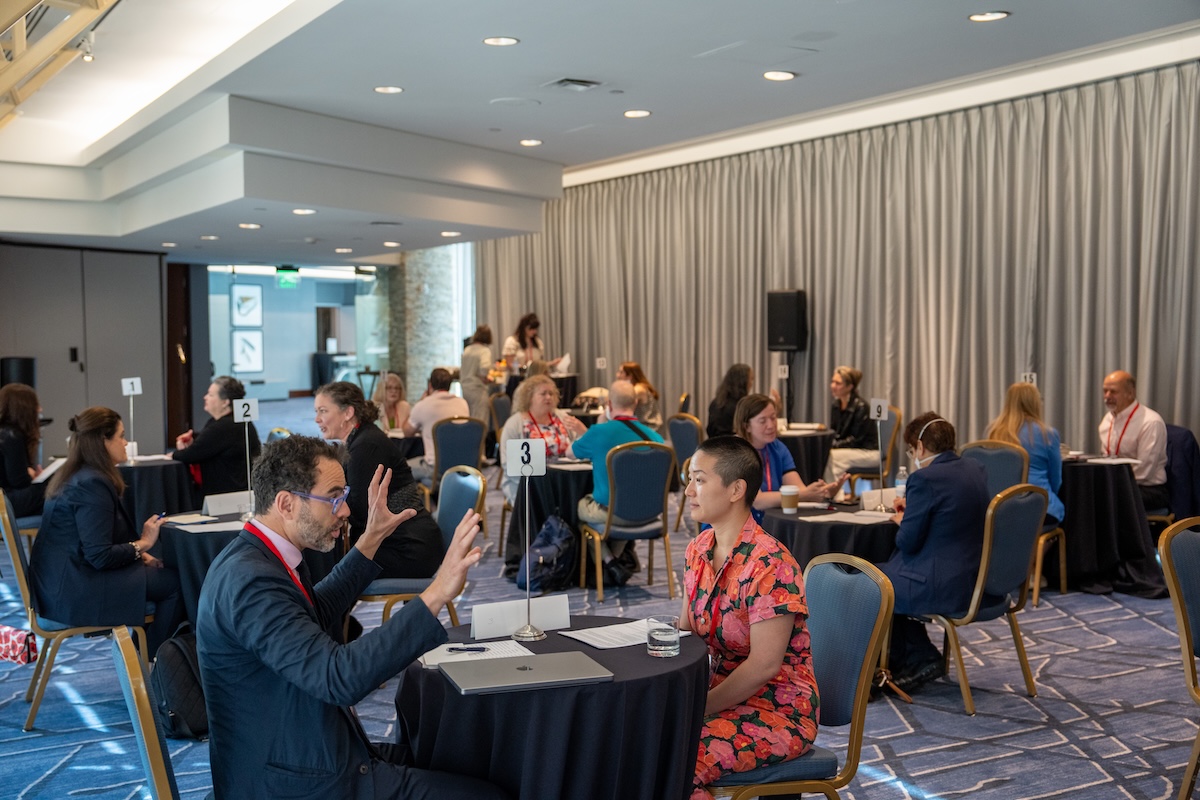
Congdon, a registered nurse and freelance health and medical writer in Madison, Wisconsin, verbally presented her pitch to an AARP editor at AHCJ’s PitchFest this past summer. Her success is an encouraging reminder that appropriately preparing for the popular segment of our annual conference can pay off.
Below is a copy of the document Congdon brought along, marked up with notes (click the blue text) I think other freelancers should take away from her very thorough pitch. While she goes above and beyond what most emailed pitches require, this level of thought is appropriate for a PitchFest meeting.
The Pitch
Get to the (Pain) Point: How to Communicate with Medical Providers About Your Pain
One of the most frustrating parts of living with pain? Trying to explain it well enough to get help. Here are a few top tips from a Registered Nurse that will save you and your loved ones some painful frustration on your next medical visit.
A friend texted me a few days after she had back surgery: she was taking her pain medication as prescribed, but was still in so much discomfort that she could hardly walk herself to the bathroom. She feared that asking for a higher dose would give her medical team the impression that she was “whiny” or “looking for drugs”. I responded with sympathy – her fear is one I’ve heard from my patients many times before – and I encouraged her to explain to her doctor the specifics of her pain as well as her goals (namely, getting to the toilet without help!).
I propose an article that would equip readers with practical strategies for talking to medical providers about their pain or a loved one’s pain, especially when they fear being dismissed, labeled “drug-seeking,” or misunderstood. The story would reframe the familiar 1-10 pain scale as intentionally subjective: one person’s “5” may mean they can’t sleep, garden, drive, or pick up a grandchild, while another’s “5” might be their everyday, functional norm.
This topic resonates strongly with older adults, who are disproportionately affected by chronic pain but often face undertreatment or dismissal. A 2026 study found that at least 21 million U.S. adults report pain severe enough to disrupt daily life without ever receiving a formal diagnosis. These strategies can also be used to communicate about acute pain, which may be life-saving in situations such as a heart attack.
The piece would provide nuanced, actionable communication tools, including:
- How to describe pain quality, timing, and functional impact.
- Why discussing goals (i.e. “I want to walk my dog again”) can improve conversations.
- Navigating anxiety about opioid stigma or being perceived as exaggerating.
- Cultural and linguistic differences in pain expression.
- When it may be time to seek a second opinion or a new provider.
- How caregivers can advocate for loved ones during appointments.
I’d interview a pain specialist, and potentially a patient who has struggled to be heard in medical settings.
The piece would build on similar topics that AARP has published before, but with a pain-specific angle. What makes this different from many existing pain-management articles is that it focuses on empowering patients. Most pain communication coverage is provider-facing; this story would help readers become stronger advocates for themselves and their families in a healthcare system where pain is still often misunderstood.
Why I’m the person to write this: I’m a Registered Nurse, and my shifts are filled with patient’s conversations, questions, and fears about pain. I’m the “translator” between them and the doctor, and I frequently support people in getting better treatment for their pain. As a writer, I focus on patient-centered reporting and evidence-based healthcare communication.
Can you share more of this pitch’s background story?
When my friend texted me asking what to do, I responded with a (well-meaning) soapbox about how she absolutely needed to message her doctor about this level of unexpected pain. I gave her pointers about how to articulate it so she got what she needed. That text thread basically became the pitch. After a few days and a little extra pain medication, she was fine.
Why did you take the idea to AARP?
AARP’s [core audience is adults over 50], and older adults experience pain more often. My friend is only in her thirties, so I had to tease her a bit about being the inspiration for an AARP article.
What happened when you presented the idea to the editor at PitchFest?
The editor liked it right away and officially assigned it over email a week or two later.
Why do you think the pitch was successful?
I think that tying it to a real-life story, as well as highlighting my nursing background, was helpful in giving the pitch immediate appeal. I also included a few studies to back up statistics, which I find helpful for pitching. Finally, I tried to include exactly what readers could expect to take away from the article.
What other pitching advice do you have for AHCJ’s freelance members?
Inspiration from pitches can come from anywhere! Keep track of the questions you or other people have — sometimes the answers make for a good story.
Notes
…and you’ll see my notes! ↩
Medaris: Presenting a suggested headline and deck is always a good idea, in my opinion. If an editor doesn’t want to read beyond that, why would a reader? ↩
Medaris: Starting with an anecdote is a good strategy for both a story and a pitch. Congdon including herself in the anecdote both reveals her expertise and introduces her as a real person an editor might want to work with. ↩
Medaris: While some freelancers may stop with the previous sentence, Congdon goes an important step further and gives examples of the types of strategies she might include in the story. ↩
Medaris: Here, she answers: “Why this publication?” something you should be able to address in a pitch, whether or not it’s this explicit. ↩
Medaris: Here’s another thing that’s important to think through before pitching a story: Why is this angle unique to the publication and/or other similar stories out there? ↩
Medaris: Finally, Congdon proactively addresses the question: Why is she the right journalist for the assignment? ↩