

Local stories. National impact.
This year, AHCJ’s annual Rural Health Journalism Workshop is coming to you. Attend four of our five sessions (or watch the recordings below), take the quiz and earn your Certification in Covering Rural Health.

Local stories. National impact
This year, AHCJ’s annual Rural Health Journalism Workshop is coming to you. Attend four of our five sessions (or watch the recordings below), take the quiz and you’ll receive a certificate recognizing your expertise in one of the most important and evolving beats in health journalism.
Tracking the rocky path of the Trump Administration’s $50 billion rural payout
Join us for a conversation with a panel of experts who will walk you through the Trump administration’s five-year $50 billion Rural Health Transformation Program. States won millions in first-year funding — from $147 million in New Jersey to $281 million in Texas — and must have the money committed to projects by October 30, 2026.
You’ll walk away with an understanding of how this money dovetails with looming Medicaid cuts and learn the key rollout dates to follow. Panelists will offer concrete story angles, data sources, and sharp accountability questions so you can track where the money is going in your state — and report on what it really means for rural hospitals, clinics, and patients.

Sarah Jane Tribble
Chief rural correspondent, KFF Health News
Sarah Jane Tribble is the lead reporter on the rural health desk of KFF Health News. She created the organization’s first narrative podcast, “Where It Hurts,” about the closure of a rural Kansas hospital. An Emmy winner, she has received honors for her work from the National Press Club, the National Institute for Health Care Management, and the Association of Health Care Journalists. Before joining KFF Health News, she covered the health care industry in Cleveland for NPR and PBS, and spent more than a decade as a reporter for major newspapers from the Carolinas to California.
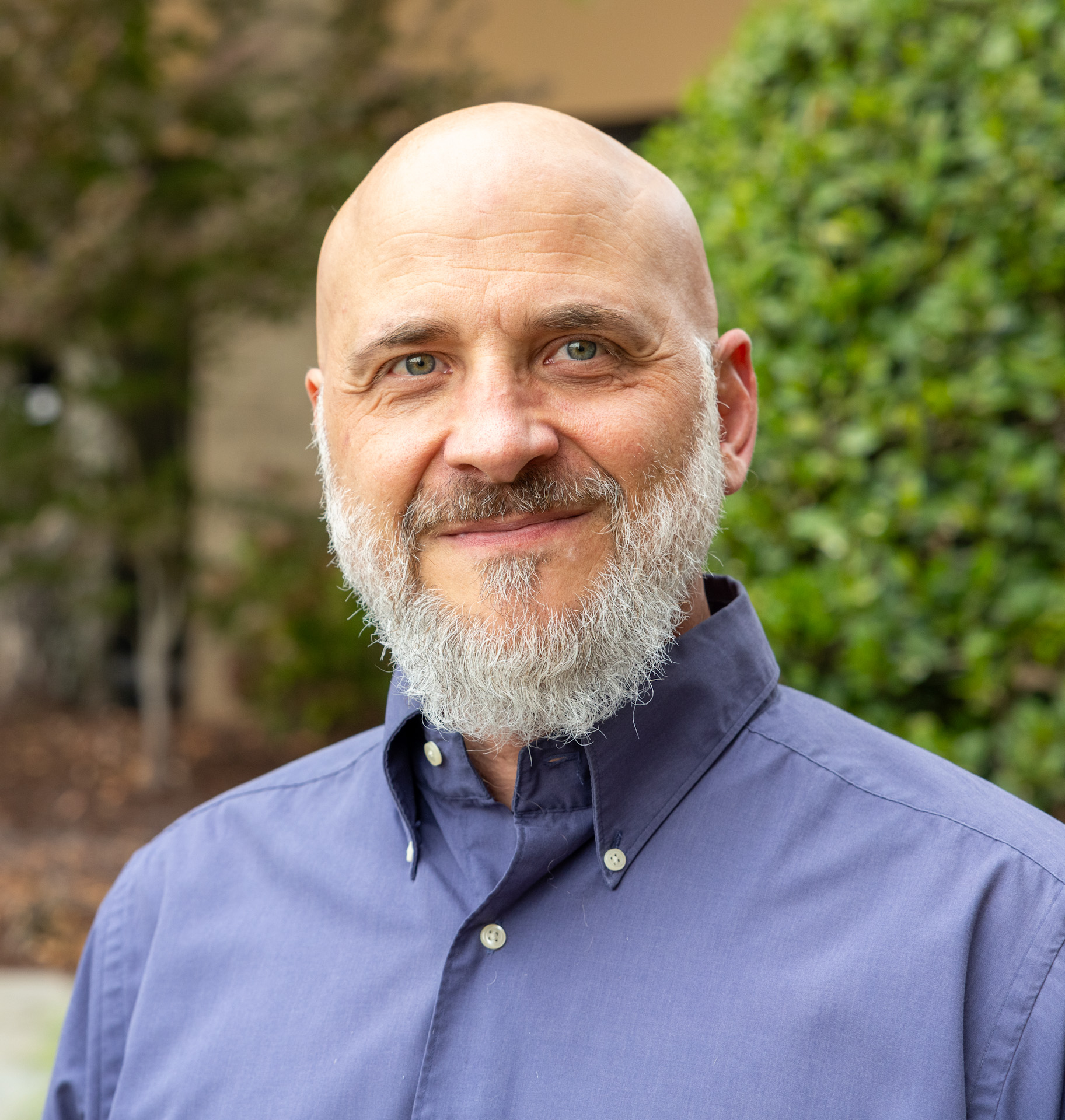
Kevin Bennett, Ph.D.
Professor of family & preventive medicine, University of South Carolina School of Medicine
Director, South Carolina Center for Rural and Primary Healthcare.
Dr. Bennett is a Professor of Family & Preventive Medicine at the University of South Carolina School of Medicine in Columbia, SC. He serves as the Director of the South Carolina Center for Rural and Primary Healthcare. He served as the president of the National Rural Health Association in 2024.
His work focuses on improving healthcare delivery for marginalized and underserved communities, particularly in rural areas, while examining the influence of national, state, or local policies and legislation on these populations. He has worked extensively with community groups, rural health networks, healthcare systems, and state agencies to pioneer and assess innovative care delivery programs. He also has an extensive publication history examining the disparities in healthcare access, quality, and outcomes experienced by rural populations.

Katie Klingsporn
Reporter, WyoFile
Katie Klingsporn reports on health, education, outdoor recreation and general news for WyoFile. She’s been a journalist and editor covering the American West for more than 20 years. She lives in Lander, Wyoming with her family.
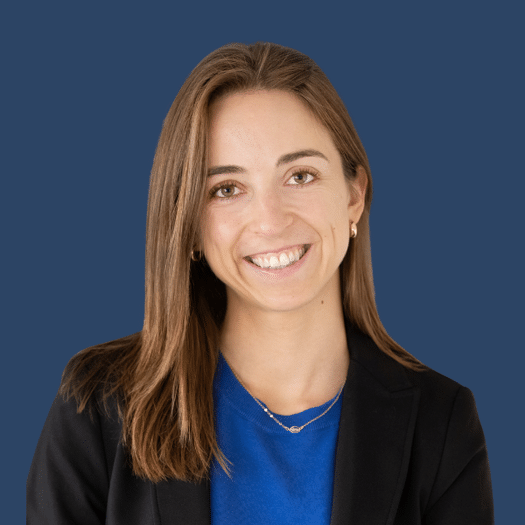
Maya Sandalow
Associate director, Bipartisan Policy Center Health Program.
Maya Sandalow is an associate director for BPC’s Health Program, where she leads work on health innovation policy. Her portfolio includes digital health, artificial intelligence, rural health, behavioral health, and nutrition. Before joining BPC, Sandalow served as a social science research analyst at the U.S. Department of Agriculture’s Food and Nutrition Service. She has also held roles at the Center for Science in the Public Interest, the Center on Budget and Policy Priorities, and Georgetown University’s Health Justice Alliance. Sandalow began her career as an AmeriCorps fellow at a San Francisco Department of Public Health primary care clinic.
Sandalow holds a Master of Public Health from Johns Hopkins Bloomberg School of Public Health and a bachelor’s from Claremont McKenna College.
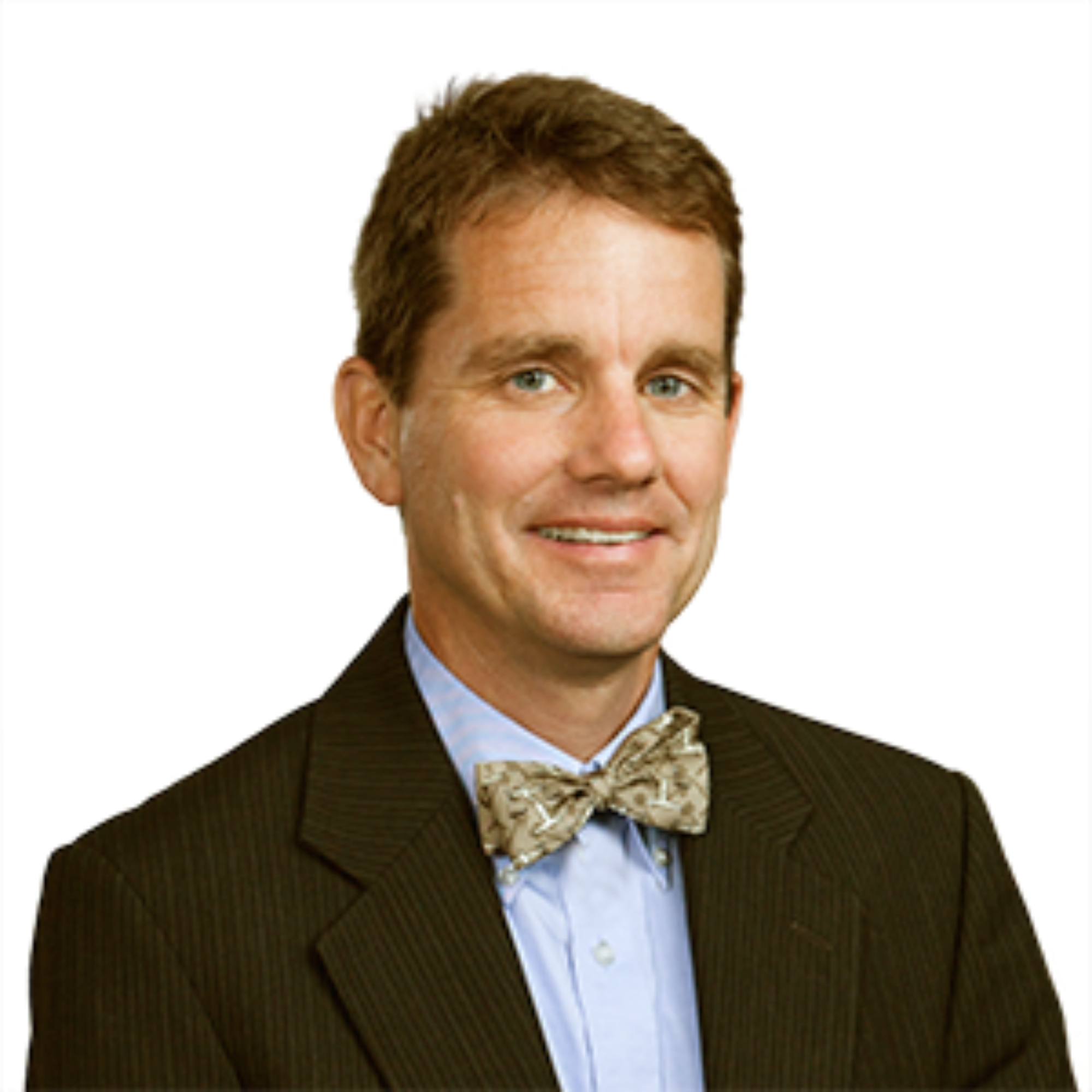
Adam Searing
Associate professor, Georgetown University McCourt School of Public Policy’s Center for Children and Families.
Adam Searing is an Associate Professor of the Practice at the Georgetown University McCourt School of Public Policy’s Center for Children and Families where he focuses on Medicaid and other health coverage programs.
Before joining CCF, Mr. Searing served seventeen years as Director of the Health Access Coalition for the North Carolina Justice Center. The Health Access Coalition is North Carolina’s leading voice for health reforms that address the needs of the uninsured and underinsured. During his tenure, Searing fought to keep health plans and hospitals nonprofit and community-focused, won and helped implement expansions of the state Medicaid program, helped pass a model state’s Children’s Health Insurance Program and worked on passage and implementation of the federal Affordable Care Act. In addition, Mr. Searing taught public policy courses as adjunct faculty at both the University of North Carolina Gillings School of Global Public Health and the Duke University Sanford School of Public Policy.
Searing is a licensed attorney with degrees in both law and public health from the University of North Carolina at Chapel Hill.
Rural health, data, and data challenges in the age of rural transformation
Access to accurate, varied rural data is key to accounting for, supporting, and enabling rural residents and their communities to thrive. It’s also crucial for journalists reporting on the health of people living in rural areas and the institutions serving them. At the same time, constraints and limitations in the collection and use of rural data can complicate those efforts. This webinar will focus on the current landscape of rural areas as it relates to health, healthcare and public health.
You’ll learn about the challenges in the collection and measurement of rural data, limitations related to geographic scope, and the administrative burdens associated with purchasing or accessing rural data. Lastly, you’ll learn where to find rural data and what to keep in mind when covering or reviewing this data. You’ll leave with a better understanding of the rural health story, how data supports that story, and how data challenges can be detrimental to supporting people and their communities.
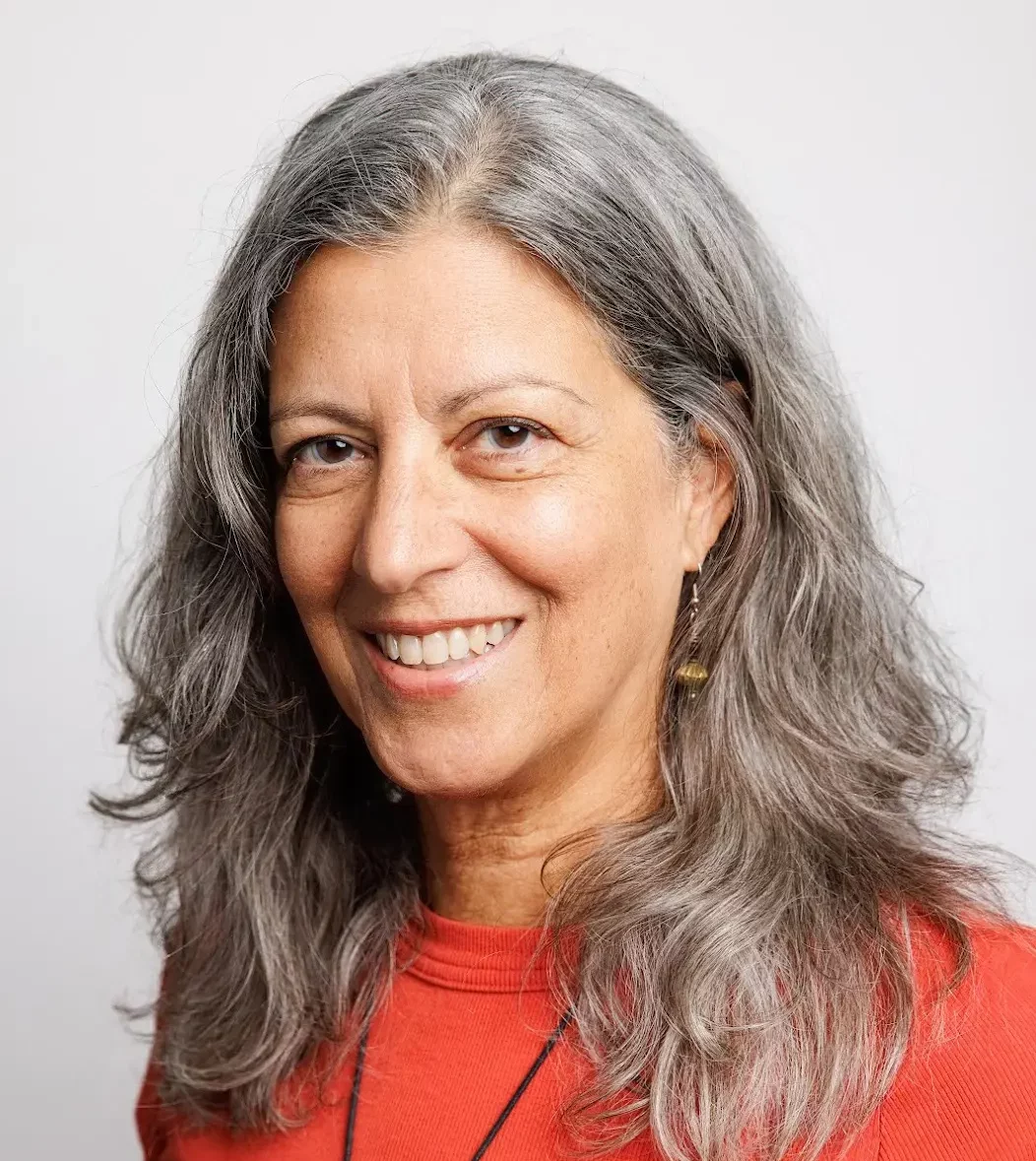
Katherine Reed
Director of education and content, AHCJ
Reed was a professor of practice in the Missouri School of Journalism for 17 years and an editor at the Columbia Missourian — the newsroom lab for students learning print and digital journalism — where she taught health and public safety reporting. She also designed and taught a course on covering trauma and a course for STEM field and journalism students on improving science communication.
Reed came to the school of journalism from Prague in the Czech Republic where she was the editor of Prague Business Journal and an instructor at the Center for Independent Journalism. She was a reporter and copy editor for several years and taught journalism before moving to the Czech Republic. She was a fellow of the Dart Center for Journalism and Trauma and is a longtime member of AHCJ. Reed has published on the teaching hospital model of journalism education, trauma reporting training and more responsible, ethical coverage of mass shootings.

Michael Meit, MPH
Director, East Tennessee State University Center for Rural Health and Research
Michael Meit, M.A., M.P.H., Director of the East Tennessee State University Center for Rural Health and Research, is a senior researcher with 25 years of project management and leadership experience. Housed within the ETSU College of Public Health, the Center for Rural Health and Research works with partners from across sectors and disciplines to improve health and well-being in East Tennessee, Central Appalachia, and nationally.
Center initiatives focus on the root causes of health disparities, with an emphasis on intergenerational poverty, public health interventions, and geographic inequities, among others. Meit is responsible for oversight and management of center activities, including staffing, strategic direction, and direct project management. Meit also maintains a role with NORC as a Senior Fellow, leading select NORC research initiatives and creating synergies between ETSU and NORC activities
The new Medicaid work requirement and how states are planning to implement it
The biggest cuts in Medicaid’s history start going into effect on January 1. Enacted as part of the GOP’s “One Big Beautiful Bill Law,” the legislation will cut approximately $1 trillion over the coming decade from Medicaid, a joint federal-state health program for people with low incomes. It also requires certain people who became eligible for Medicaid under the ACA expansion to prove that they are meeting new federal work requirements. And it constrains how states finance their portion of Medicaid. These changes will ripple through the entire health system but will hit the already vulnerable rural health providers (and the populations they serve) particularly hard.

Joanne Kenen
Journalist-in-residence, Johns Hopkins Bloomberg School of Public Health
Joanne Kenen is an experienced public health and health care journalist who has been the journalist in residence at the Bloomberg School of Public Health since late 2021. She also co-teaches a course about how the changing economic and political media landscape in the United States affects public health. During the decade before she came to the Johns Hopkins University, Kenen was at Politico where she oversaw the prize-winning health reporting team—from the implementation of the ACA through the coronavirus pandemic.
Her work has appeared in numerous national publications: Politico and Politico Magazine, KFF Health News, the Washington Post, Stat, the Atlantic, Health Affairs and many other outlets. Kenen has guest lectured at numerous universities and done training for health journalists both through the Association of Health Care Journalist and the USC Center for Health Journalism. She is a regular on KFF’s “What the Health” podcast. Honors & Awards
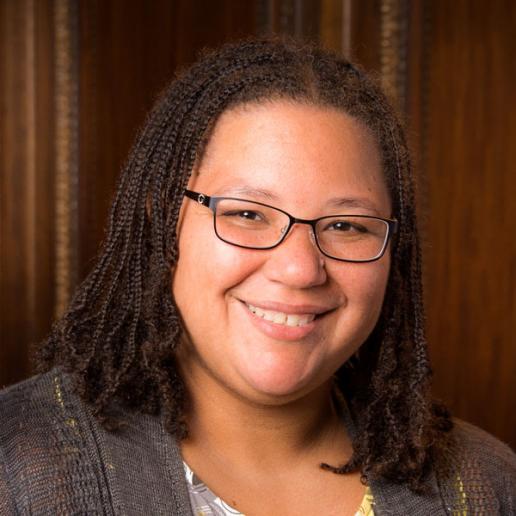
Akeiisa Coleman
Assistant Vice President, Medicaid, Expanding Coverage and Access, The Commonwealth Fund
Akeiisa Coleman, M.S.W., is assistant vice president for Medicaid, Expanding Coverage and Access at the Commonwealth Fund. She is responsible for the Medicaid and state-facing grants. She was promoted from program officer in July 2021. She advises on strategy around federal and state policy, contributing to Fund research and publications and helping to execute projects and events to inform and educate policymakers at the state and federal level.
Prior to joining the Commonwealth Fund in August 2018, Coleman was a senior policy analyst with the National Governors Association (2015-2018), where she managed multiple projects related to social determinants of health, Medicaid, and behavioral health. She provided technical assistance to state leaders, including governors’ health policy advisors, Medicaid directors, secretaries of health, and other senior state officials on key policy issues and best practices.
From 2008–2015, she was a health policy associate with the Missouri Foundation for Health, where she wrote and edited reports on the Affordable Care Act, Medicaid, Medicare, and health disparities and assisted in the development of grant programs and requests for proposals. While working full-time as a health policy associate, she was also a clinical social worker at Barnes-Jewish Hospital in St. Louis from 2009–2015.
Prior to those positions, she was a project coordinator at the Center for Mental Health Services Research in St. Louis, a Coro Fellow in Public Affairs, and an AmeriCorps member. Coleman earned an M.S.W. from Washington University in St. Louis and a B.A. in sociology from the University of Southern California.
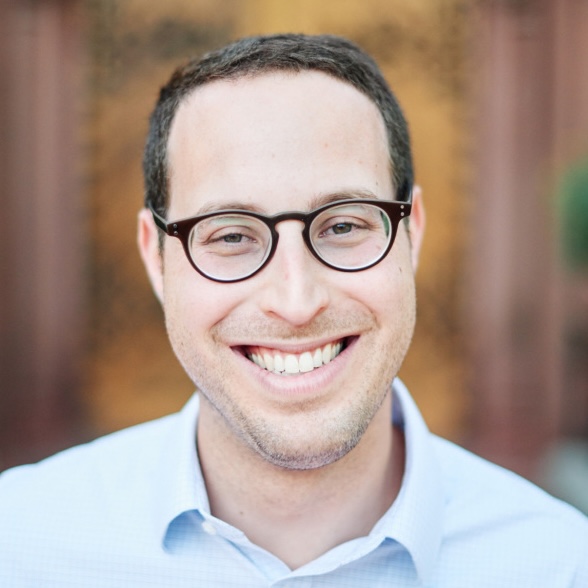
Stuart Portman
Medicaid Director, State of Georgia
Stuart Portman serves as Executive Director for the Division of Medical Assistance Plans in the Georgia Department of Community Health, where he oversees Medicaid and CHIP operations statewide.
Prior to this role, he served as Senior Health Policy Advisor on the U.S. Senate Committee on Finance and in legislative roles for Senators Orrin Hatch, Chuck Grassley, and Mike Crapo, focusing on Medicaid, the Children’s Health Insurance Program, and a broad range of health policy issues including health information technology and Food & Drug Administration policy.
Stuart holds a Master of Public Health degree in health policy from the Milken Institute School of Public Health at The George Washington University and a Bachelor’s Degree in Biology and Political Science from the University of Denver. He is a proud native of St. Louis, Missouri.
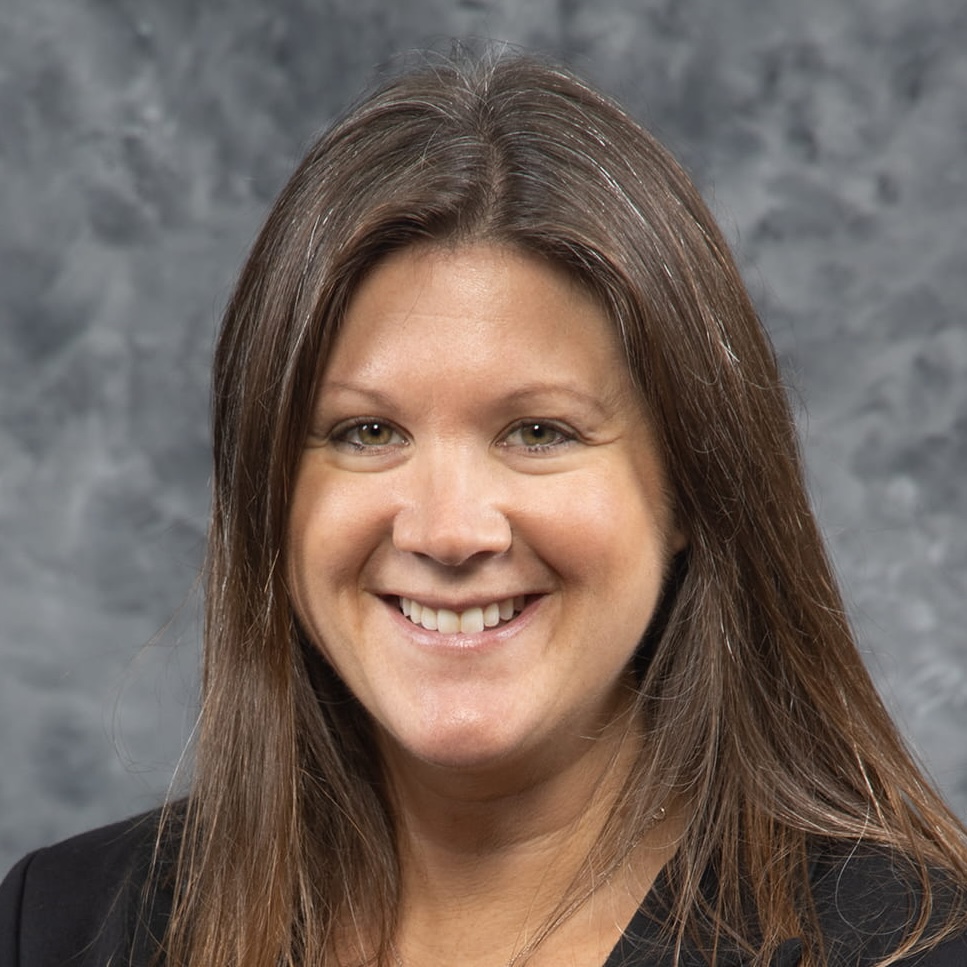
Meghan Groen
Chief deputy director for Health Services, Michigan Department of Health and Human Services
Meghan Groen oversees Michigan Medicaid in her role as chief deputy director for Health Services for the Michigan Department of Health and Human Services. She also oversees long term care and programs for people with developmental disabilities. Earlier, she was a health policy adviser to Michigan Gov. Gretchen Whitmer, and helped oversee creation of the Healthy Moms Healthy Babies initiative to address health disparities.
The impact of data centers on the environment and health in rural areas
As AI fuels data center construction across the country, many headlines have already focused on the pervasive environmental impacts, including air pollution, water use, noise, energy demand and environmental justice intersections. The policy, research and national discourse on this topic are moving quickly. How can journalists cut through the common frames to find fresh angles and untold stories? This webinar brings together panelists broaching this question from different angles, including public health research, community advocacy and investigative journalism.
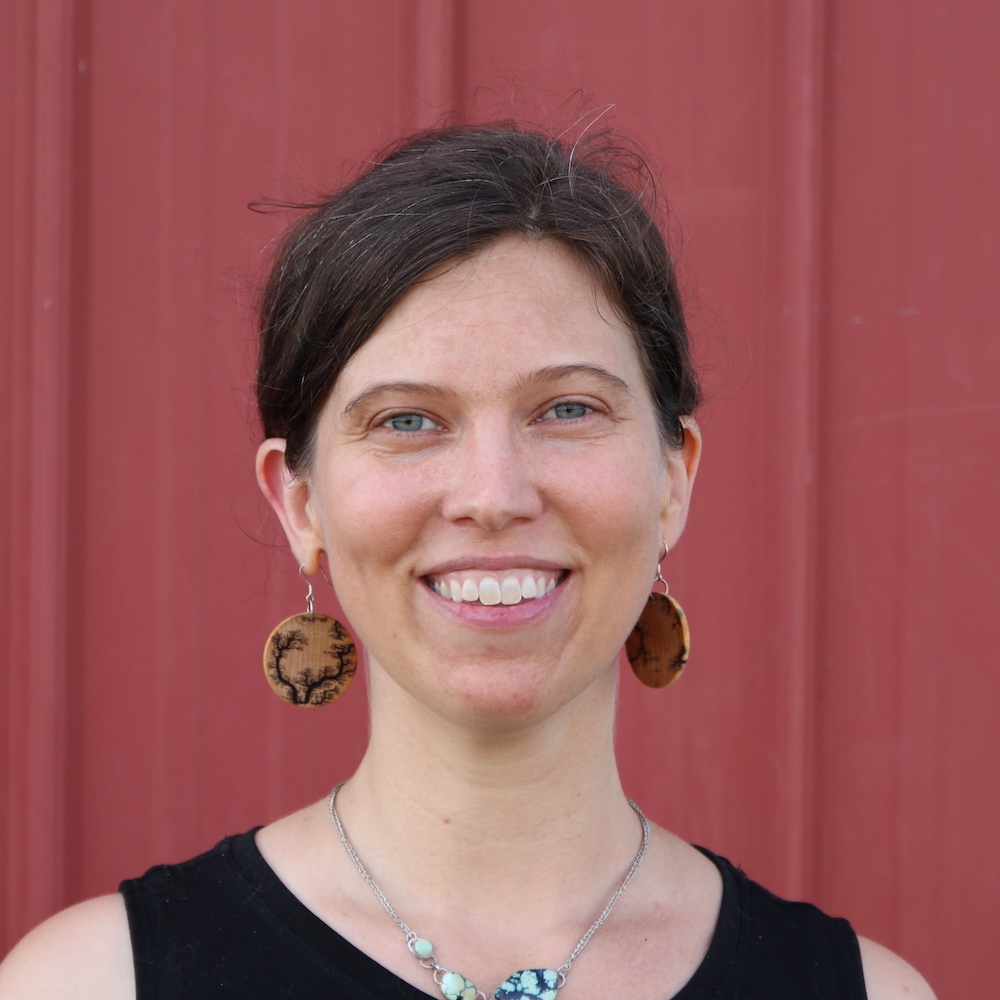
Katie Burke
Senior contributing editor, American Scientist
Katie L. Burke is an award-winning editor and serves as senior contributing editor at American Scientist. Burke has a doctorate in biology and a rich background in conservation, forest history, and disease ecology, bringing a profound understanding of scientific nuances to her work.
She was previously AHCJ’s Health Beat Leader for Environmental Health.
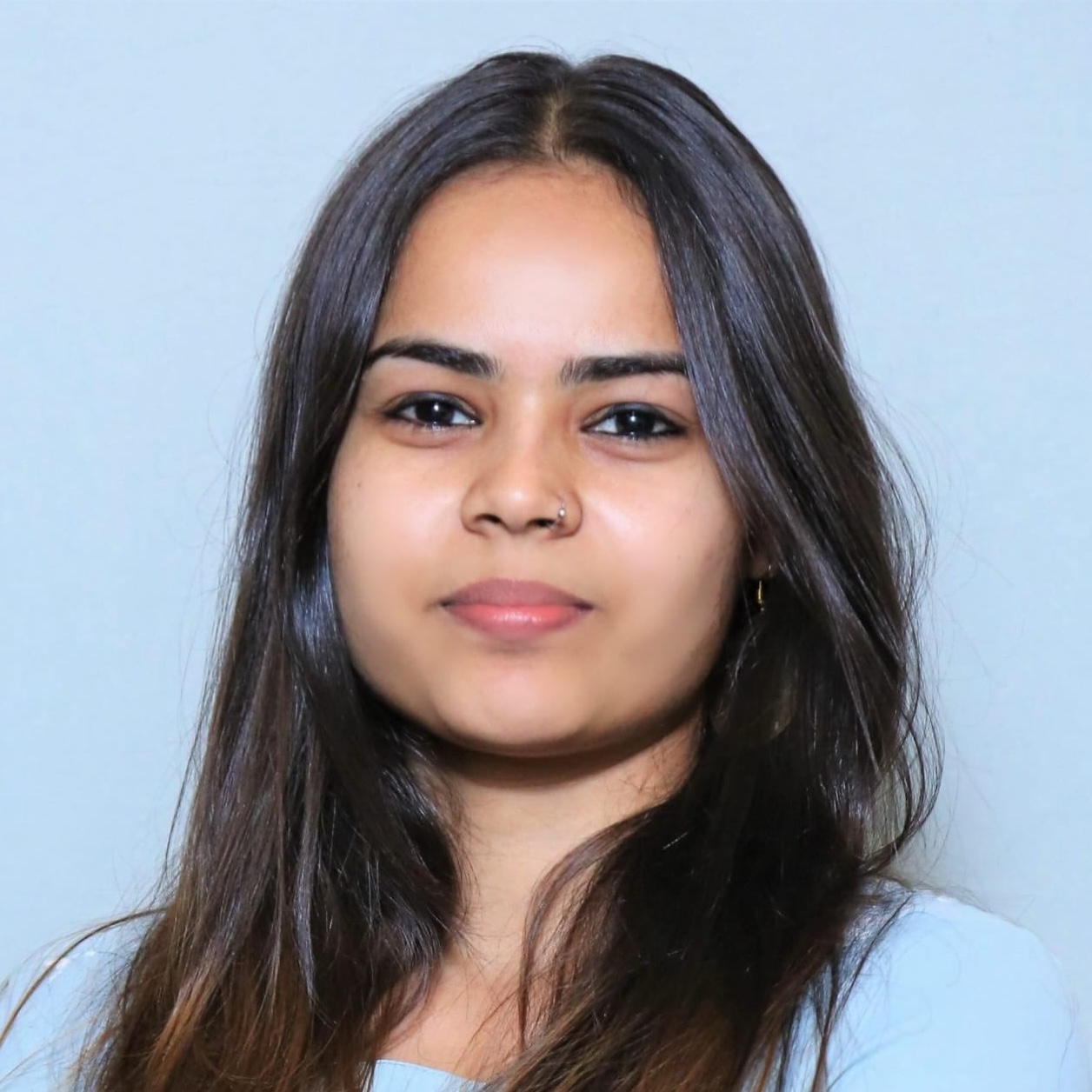
Neha Gour
Ph.D. candidate in science communication, George Mason University
Affiliated researcher, Center for Climate Change Communication
Neha Gour is a Ph.D. candidate in Science Communication at George Mason University and an affiliated researcher with the Center for Climate Change Communication. Her work examines the intersections of AI infrastructure, climate change, public health and public policy. Using quantitative methods, she generates and evaluates empirical evidence to inform policy, public communication and decision-making. Neha’s research has included collaborations with organizations such as The Nature Conservancy, the Government of the City of Fairfax, the World Health Organization, UNESCO, and Oxford Policy Management, among others.
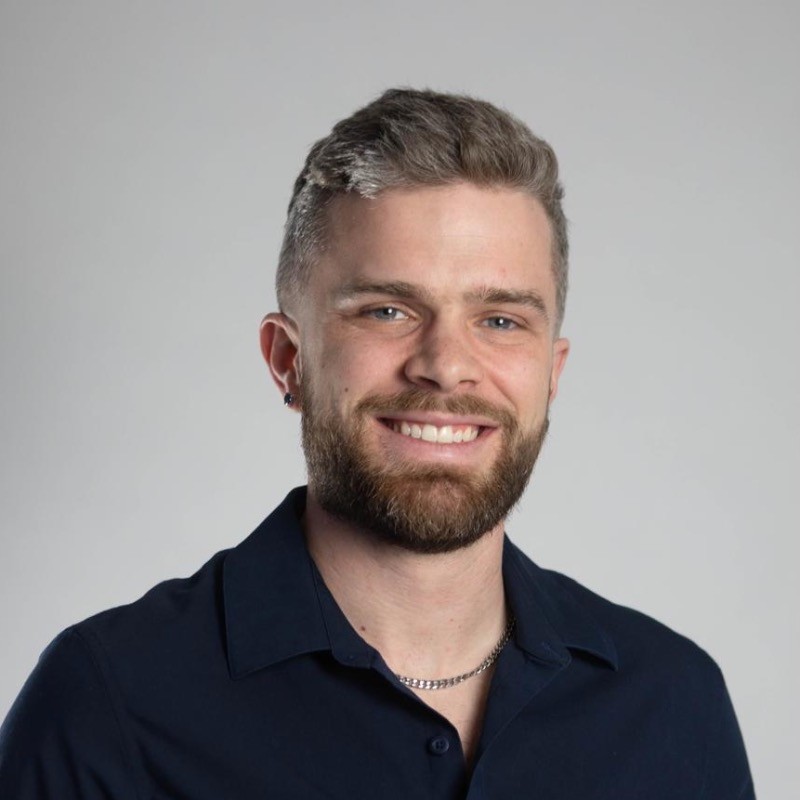
Michael Cork, Ph.D.
Founder and CEO, EmPower Analytics Group
Dr. Michael Cork is an environmental health scientist and Founder & CEO of EmPower Analytics Group, an independent scientific firm that quantifies the public health and economic impacts of energy infrastructure. His work combines atmospheric modeling, epidemiology, and health economics to evaluate how power generation associated with AI infrastructure, data centers, and other large industrial facilities affects surrounding communities.
His analyses have informed permitting decisions, supported environmental law organizations, local governments, and community organizations, and have been featured by national media including The New York Times and Politico. Dr. Cork earned his PhD in Biostatistics from Harvard University, where his research focused on the health effects of air pollution and statistical methods used to inform national air quality standards.

Evan Simon
Investigative producer, Floodlight News
Evan Simon is an Emmy Award-winning investigative journalist and documentary filmmaker known for groundbreaking environmental investigations into plastic recycling claims, abandoned oil wells, and the controversial power sources fueling the AI data center boom. Simon previously worked for the ABC News Investigative Unit and The Wall Street Journal. He is currently leading video and visual investigations at Floodlight, a nonprofit collaborative newsroom dedicated to climate investigations, where his multimedia reporting has been co-published by PBS, The Guardian, WIRED Magazine, High Country News, and Mother Jones, among others.

Dr. Reed Omary
Professor, Department of Radiology and Biomedical Engineering, Vanderbilt University Medical Center
Founder, The Greenwell Project
Reed A. Omary, MD, MS, is a physician, writer, speaker, and nonprofit founder based in Nashville. He is Professor of Radiology and Biomedical Engineering at Vanderbilt University Medical Center and founder of Greenwell Project. A strong communicator of the future, Dr. Omary speaks to healthcare and lay audiences across the world on planetary health, sustainable healthcare, and the health impacts of AI infrastructure.
‘The Case for Rural America’: A conversation with researcher and author J. Tom Mueller
In his recent book, “The Case for Rural America,” rural sociologist and demographer J. Tom Mueller, Ph.D., makes a case for why rural America is worth saving and what policymakers must do to preserve a way of life that many people prefer. One of the main solutions he proposes is directly related to healthcare in America.
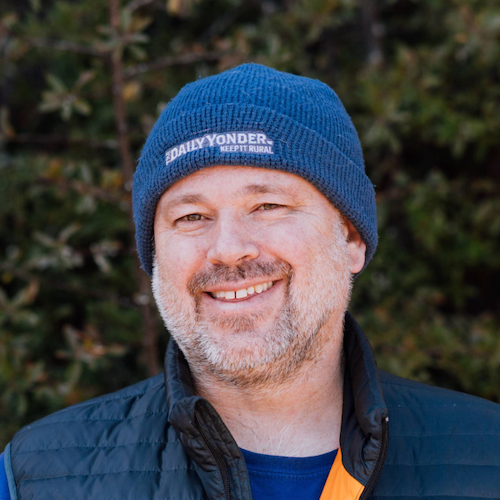
Jared Ewy
Radio host, The Daily Yonder
After an attempt to play college football disabused him of the notion that he was a battering ram, Jared Ewy made the leap into radio. From the Four Corners, he worked his way to Denver before taking on an opportunity to work with Bob Newhart and, in turn, launch a comedy career. Incredibly poor, he would join a tech startup and help build it into a company on the Nasdaq. From there, Ewy has focused on helping nonprofits like Ability Connection Colorado share the work they do, as well as syndicate Yonder Radio, a show that amplifies rural stories and is syndicated across the country. Ewy continues to tell stories on stage. He’s won Denver’s Moth Story Slam seven times and is currently the back-to-back Moth Grand Slam Champion. He lives in Colorado with his wife, three kids and too many pets.
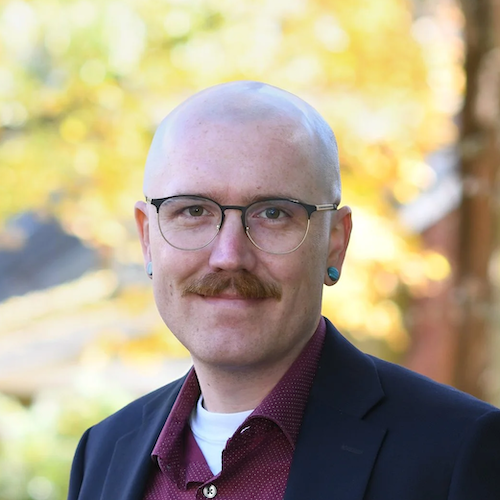
J. Tom Mueller, Ph.D.
Director, Kansas Center for Rural Health
Assistant professor, University of Kansas Medical Center Department of Population Health
J. Tom Mueller, Ph.D., is an Assistant Professor of Population Health and Director of the Kansas Center for Rural Health at the University of Kansas Medical Center. As a rural sociologist and demographer, he studies the geography of well-being and the environment in rural America. Dr. Mueller’s work focuses on three primary areas: health and well-being in rural America, (2) environmental injustice and environmental health, and (3) the measurement and tracking of poverty across space.
Dr. Mueller has published his work in leading outlets such as the Proceedings of the National Academy of Sciences; American Journal of Public Health; Nature Water; Nature Communications; Demography; and Rural Sociology, among others. Dr. Mueller pursues and receives funding from a variety of sources including the National Institutes of Health, the National Institute of Food and Agriculture, and the National Science Foundation.
Dr. Mueller is the author of “The Case for Rural America“.