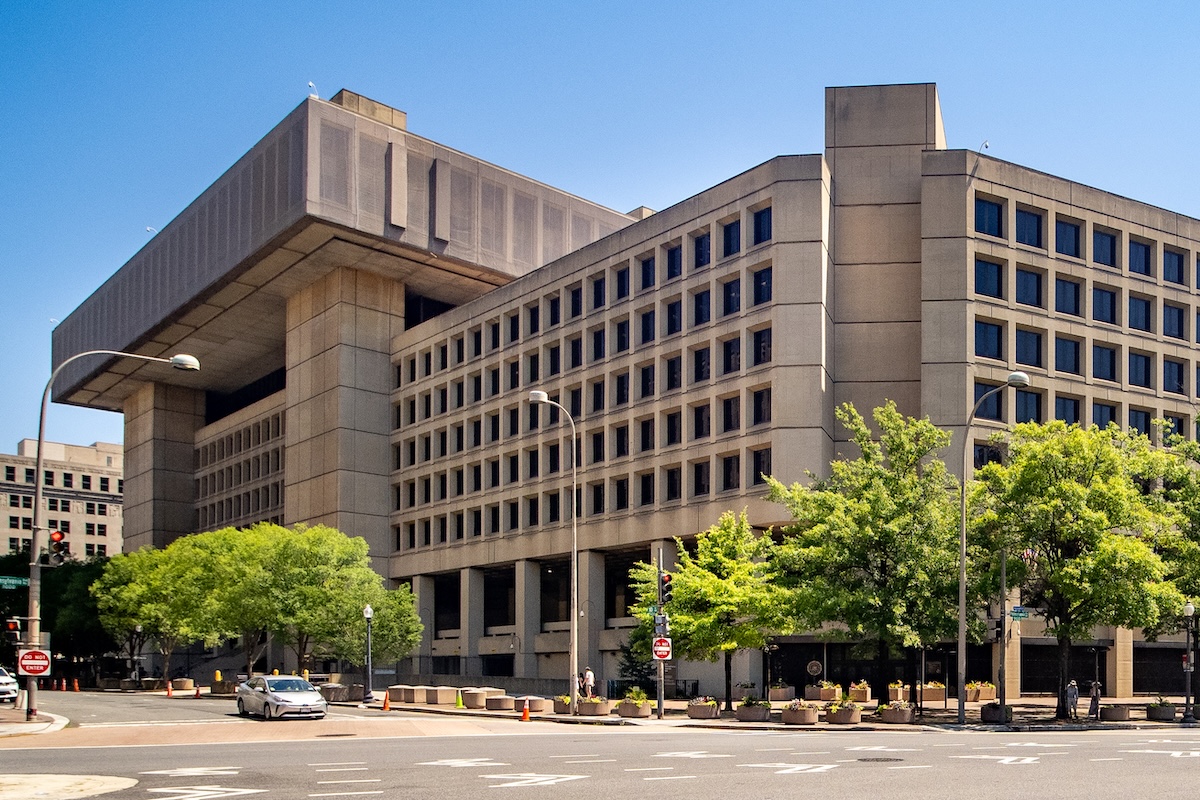
In August, the FBI published the annual Uniform Crime Report for 2025. The agency publishes the report — which covers all types of crimes, including firearm homicides — each summer and fall. Local and state law enforcement agencies across the country have submitted their crime numbers to the FBI since 1930.
An important caveat
While it takes months for the previous year’s data to be published, the UCR can be an extremely useful tool with an important caveat: The data depend on what law enforcement agencies report to the FBI, and those numbers they report can often be misleading or incomplete. See the list of additional resources below.
You can explore national data and run several queries based on a long list of crimes. You can break your search down by several factors: a specific year or time frame, the entire country or specific states, and/or by law enforcement agency.
From there, you get the demographics for both the offender and the victim, including age, race, sex and ethnicity. You can also see the crime location, how the offender and victim know each other, what weapons were used and any other offenses tied to the crime.
You can also search by state and by local law enforcement agency. This is useful for local reporters investigating their local crime statistics. It’s also a good way to compare different states and cities.
Additional resources
- The Marshall Project has a toolkit for reporters to use when digging into crime data. The guide also walks reporters through some of the common pitfalls to avoid — like the holes that can be found in UCR data.
- Philadelphia Center for Gun Violence Reporting.
- Better Gun Violence Reporting: A Toolkit for Minimizing Harm.
Story ideas
There are several ways to apply this data to your reporting. For example, if you’re covering the ongoing nationwide drop in violent crime, you can use the UCR to illustrate which types of crime are down. You can also figure out where crime has dropped more or hasn’t dropped much.
If you’re looking for data on firearm homicides, you can use the UCR for victim and offender demographics, locations, and whether or not the crime was solved.