


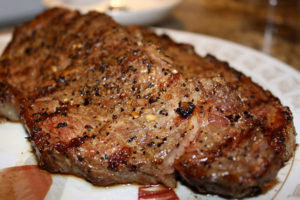
“Too much red meat can cause cancer.” It’s a depressing statement for the bacon and beef lovers out there, but…

Physicians in all fields of medicine rely on guidelines developed by professional medical organizations to inform how they care for…

How much does the way you cover a study matter? If we judge that question on the basis of how…

To effectively report on medical research, you should understand how big a difference that an intervention or an exposure makes.…

BRAINS!!! What zombie wouldn’t be thrilled to hear scientists are growing brains in Petri dishes? It’s like a zombie’s dream…

Photos accompanying news stories about vaccines are notoriously awful, both in effect and in verisimilitude. They often feature large needles…

One of the oldest and most influential medical journals in the world is The Lancet. Based in the UK, the…

From the moment I saw the study — and editorial and editor’s note — among JAMA’s embargoed studies, I knew…
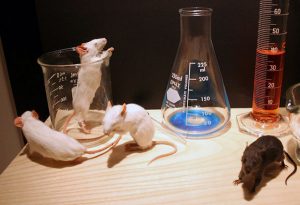
It’s a well-worn mantra: Correlation does not equal causation. But even if we know this, is it always accurately and…

Freelance journalist Cassandra Willyard recently asked me on Twitter about resources on the use of appropriate, respectful language when it…