Recent months have brought a flurry of reporting across the country about the construction of massive data centers to house computers and servers needed to handle the load of AI searches and algorithms. Journalists can find numerous stories by investigating the health and health equity impacts of these centers.
An individual data center can consume as much power and water as an entire city, according to an excellent primer video by Business Insider. There is no comprehensive federal database tracking all data centers, where they are located, or who owns them, according to Business Insider.
However, the companies behind them include Amazon, Microsoft, Meta, Google and QTS, said Hannah Beckler, an investigative reporter for Business Insider, in the video. Beckler and colleagues wrote a series of stories last year on the impacts of data centers on water, power, pollution, and local economies. The team also created an interactive map of 1,240 data centers in America that were built or approved for construction by the end of 2024.
Big demand for electricity and water
To understand the impact, consider that the average American has hundreds of gigabytes of data in the cloud, according to the video. By contrast, health care and other large tech companies are storing, processing and retrieving zettabytes of data each day. One zettabyte is the equivalent of 1 trillion gigabytes.
The video also explains how data centers work: The servers and the building’s cooling systems and water pumps consume a lot of power — in some cases, over 2 terawatt-hours of electricity a year — enough to power 200,000 homes. The centers also house backup batteries and diesel generators.
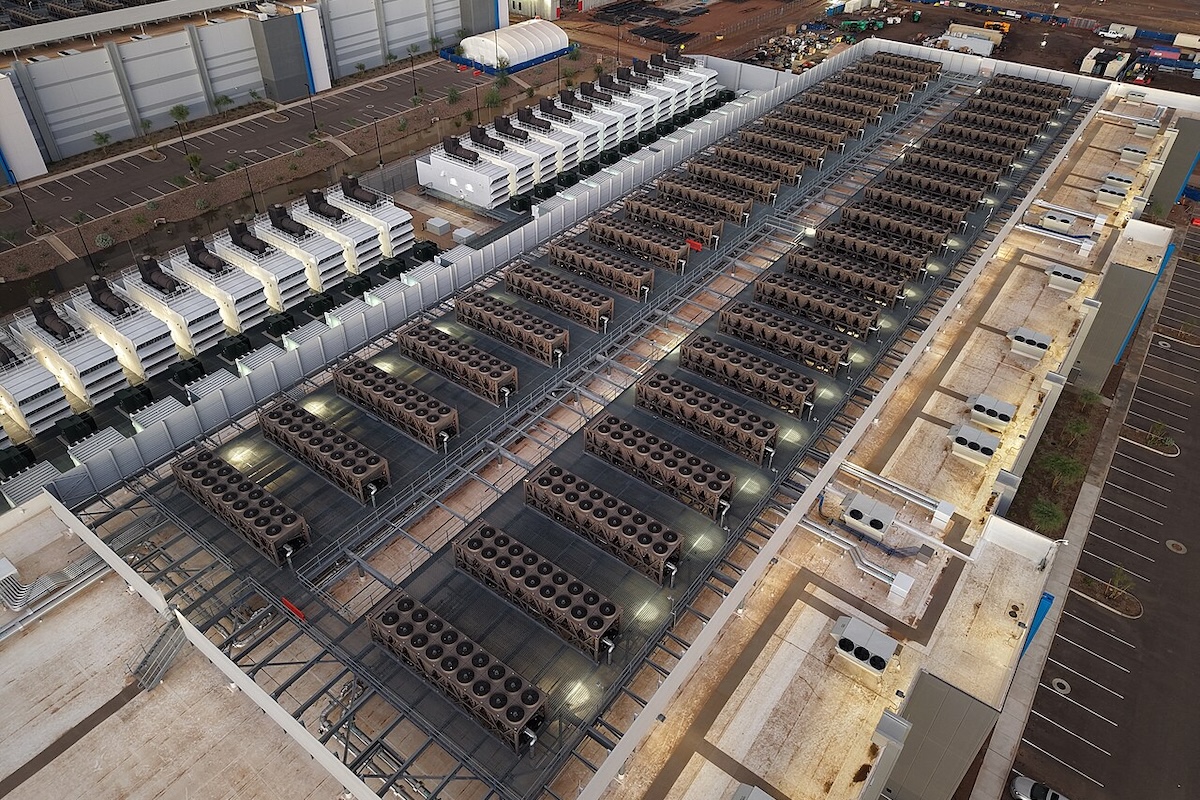
The byproduct of that energy use is heat. So in many data centers, massive cooling systems suck out hot air and pass it through air conditioning units in a continuous loop. The most common type uses chilled water to absorb heat and release it from a cooling tower. The cooling systems and fans emit a constant drone. “The noise level is generally below the limits permitted for industrial zones close to residential areas, but these were never designed with the 24/7 drone of modern data centers in mind,” the video states.
Medical and environmental health impacts
Data centers built close to residential areas are impacting the health and quality of life of nearby homeowners. Some report constant noise and vibration of walls and windows. Air, noise and water pollution from data centers over the long term may increase the risk of respiratory disease, cardiovascular disease, mental health struggles, stroke, diabetes, and adverse reproductive outcomes like miscarriage and stillbirth, according to a US News and World Report article, citing recent research by environmental experts in Virginia. A recent Washington Post story noted that the 10,500 generators at data centers in Virginia produce enough pollution to harm public health, even when used infrequently.
Noise pollution can be harmful to children and has been linked to poor cognition, decreased learning and lower reading comprehension, one of the researchers told the magazine. A resident near one Virginia center said she was concerned about light pollution as well, noting it’s never dark near her home.
There are environmental health consequences as well. One is emissions. The generators powering data centers typically burn diesel fuel; a typical generator can release 200-600 times more nitric oxide than a natural gas power plant producing the same amount of electricity, according to an article in IEEE Spectrum. Air pollutants can travel hundreds of miles, and tiny particles can embed in the respiratory tract and lungs, the story said.
The data centers also create “heat islands” — areas that experience significantly higher temperatures than their surroundings — warming the land around them by up to 16 degrees Fahrenheit, according to a CNN report of new research from the University of Cambridge. Researchers focused on more than 6,000 data centers located outside highly dense urban areas and filtered out seasonal effects and global warming trends, CNN reported. Still, surface temperatures increased by an average of 3.6 degrees Fahrenheit after a data center started operations, and in extreme cases, by up to 16.4 degrees Fahrenheit. Temperature increases were observed up to 6.2 miles from the centers.
And, there’s the copious use of water. According to Business Insider’s analysis, five centers operated by Microsoft use 1 million gallons of water per day, or 1.83 billion gallons per year, according to the Business Insider video. That’s enough for roughly 61,000 Americans, it said, or a city the size of Santa Cruz, Calif. Some of the largest centers are being built in the desert areas of Arizona, where the only way to get water is to drill for groundwater. Up to 43% of data centers are located in areas of high or extremely high water stress, according to the video.
Health equity angles to consider
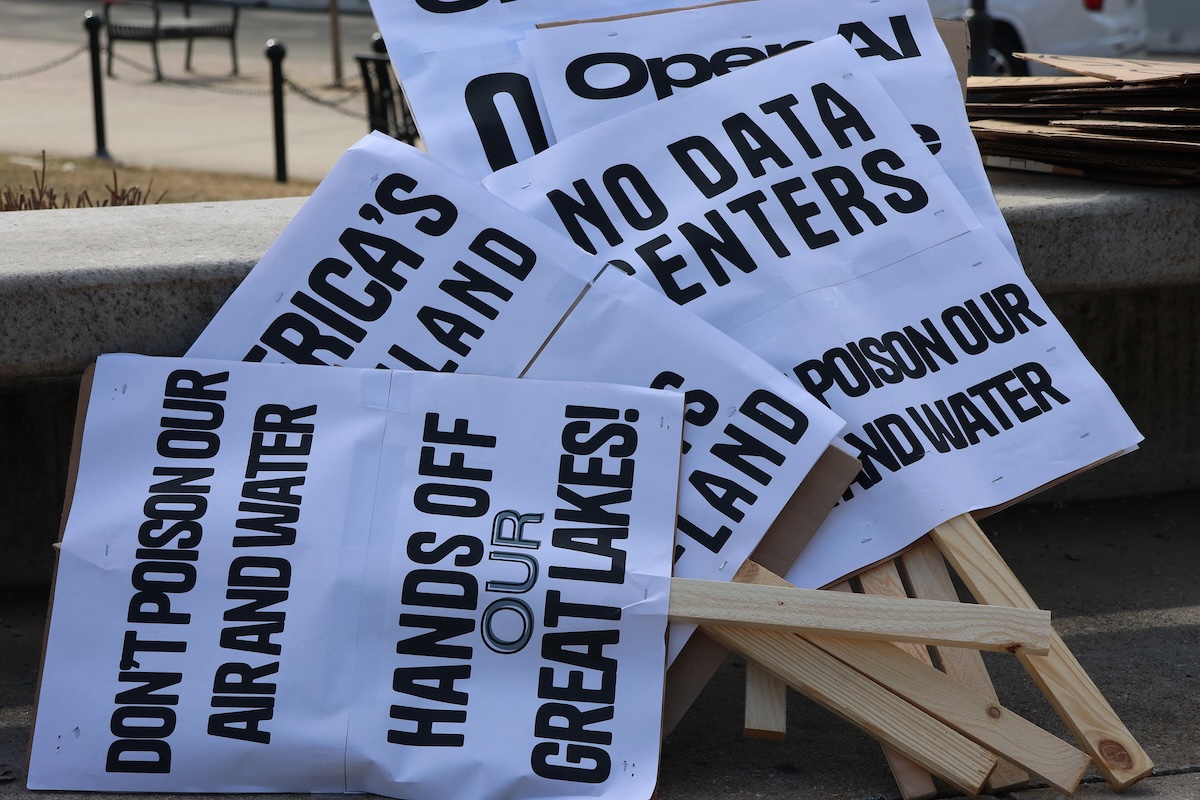
There are also important health equity stories within the data center boom. Some of the built or planned data centers are in the backyards of neighborhoods with a high percentage of people of color, in many cases sparking protests by local communities who don’t want these facilities. For example, in Canton, Miss., Amazon opened a $10 billion AI data center that promised 1,000 jobs, according to a University of Chicago blog post. Within months, residents began reporting lung irritation, breathing difficulties and construction dust that settled over homes and playgrounds, and cooling towers pulled millions of gallons of water from the already-stressed Big Black River. Community outrage led to a class-action lawsuit filed in February 2026 alleging Clean Water Act violations; expansions have been halted pending independent audits, the post says.
In Memphis, Tenn., the Environmental Protection Agency ruled earlier this year that Elon Musk’s xAI data center illegally used 35 truck-sized methane gas turbines to power the facilities, according to the USC blog post. The center is near the city’s historic Boxtown neighborhood, where 90% of residents are Black. Time magazine published a story highlighting residents’ concerns about the center.
Stories to follow
Although data centers have received media attention, there’s still more journalists could cover. Here are some ideas:
- Follow the literature as new studies on health and/or environmental impacts emerge.
- Follow the legislation. In areas such as Birmingham, Ala., and Stokes County, N.C., residents have banded together to file class-action lawsuits over proposed data centers. In Florida, Gov. Ron DeSantis signed a bill to ensure local governments can reject data center development in their communities and prevent data center costs from being passed on to consumers.
- Cover new designs of data centers. Microsoft’s Chicago development, rolling out in phases from mid-2026, is piloting immersion cooling and other efficiencies projected to cut chemical runoff by 30%, according to the University of Chicago blog post. Innovations in projects elsewhere are offering some hope for mitigating the “disastrous” environmental effects of data centers, the post states.
Resources
- See where diesel-powered data center generators are polluting Virginia – Washington Post
- A town of 7,000 planned so many data centers, it’s like adding 51 Walmarts – Washington Post
- Data centers are reshaping communities. Local journalists should take notice – Poynter
- ‘‘We Are the Last of the Forgotten:’ Inside the Memphis Community Battling Elon Musk’s xAI – Time
- The True Cost of Data Centers – Business Insider
- Exposing The Dark Side of America’s AI Data Center Explosion – video from Business Insider
- We need to talk about AI’s impact on public health – IEEE Spectrum
- Scientists have found an alarming environmental impact of vast data centers – CNN
- ‘Living in Hell’: Data Center Neighbors Grapple with Noise, Air Pollution – U.S. News & World Report
- Data Centers, Pollution, and the Communities Left Behind – University of Chicago Sustainability Dialogue
- Amazon’s Canton Data Center Promises Prosperity. For Neighbors, It’s Bringing Dust, Noise and Pollution Fears. – Mississippi Free Press