Some of the most important editing in journalism happens before a story is ever filed.
It’s the conversation with an editor that helps a reporter sharpen the questions they’re asking or the approach they’re taking. It’s the editor who says, “I think you’re missing something here,” or “Have you talked to patients yet?” or “This data doesn’t quite mean what you think it does.” The editor is the person who knows from experience which experts are credible, which policy changes matter and which claims deserve a second look.”
Every newsroom needs assigning editors, managing editors and copy editors. Every freelancer needs — or appreciates — someone they can use as a sounding board or first reader.
But on specialized beats like health, reporters benefit from editors with deep subject-matter expertise — people who understand how to read a clinical trial or recognize when a statistic is being overstated.
For years, many reporters benefited from layers of editorial support. Now that model is becoming the exception rather than the rule. Many experienced health editors have left the profession or taken buyouts, and those who remain have less time for the coaching that makes stories stronger. More journalists are freelancing or working with editors who don’t specialize in health — or simply don’t have time for the kind of editorial conversations that strengthen reporting.
Journalism has changed, and the consequences are real. People make decisions about their health and their families’ health based on the information we publish. That’s why health journalism demands such a high standard of reporting and editing.
During AHCJ’s strategic planning process, we asked: How can we better support journalists in a changing profession?
Across our membership survey, focus groups and strategic planning interviews, one need came up repeatedly: Journalists need greater access to editorial expertise.
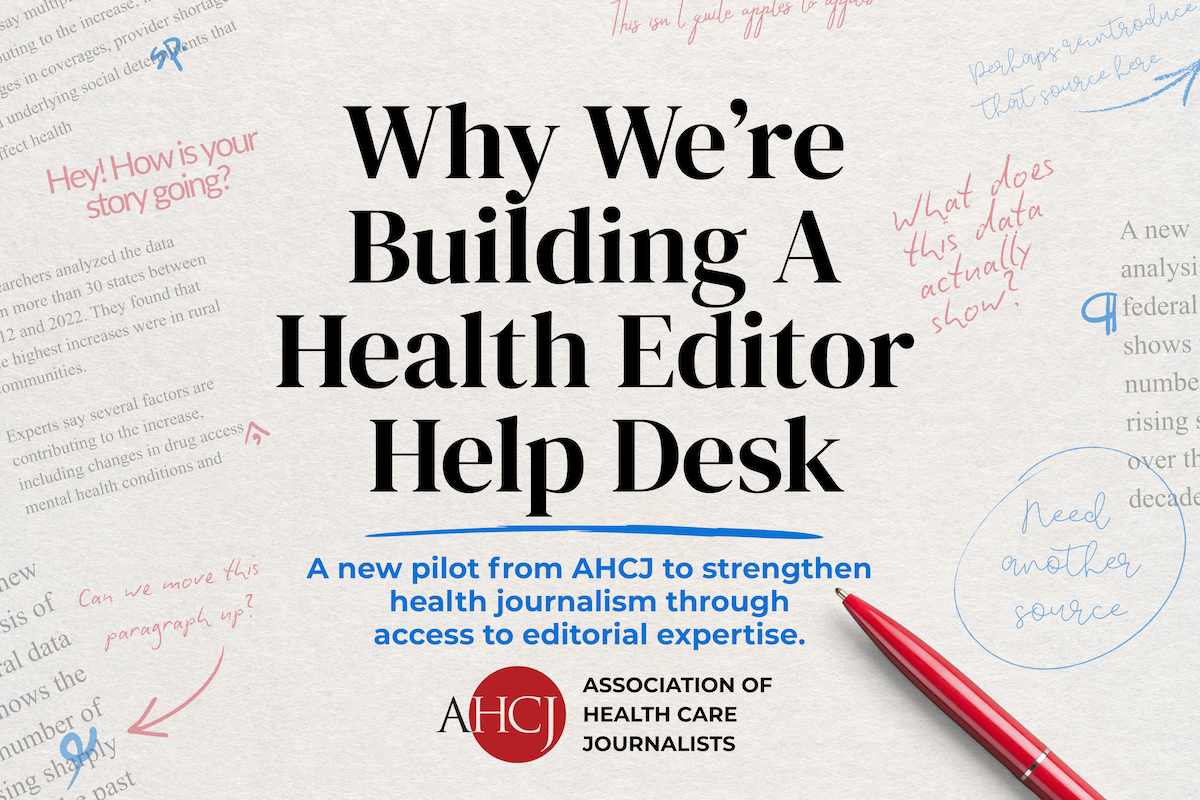
For decades, editorial coaching happened inside newsrooms. Today, much of that infrastructure has disappeared or become harder to access, even as health reporting has grown more complex. That’s why we’re building the Health Editor Help Desk.
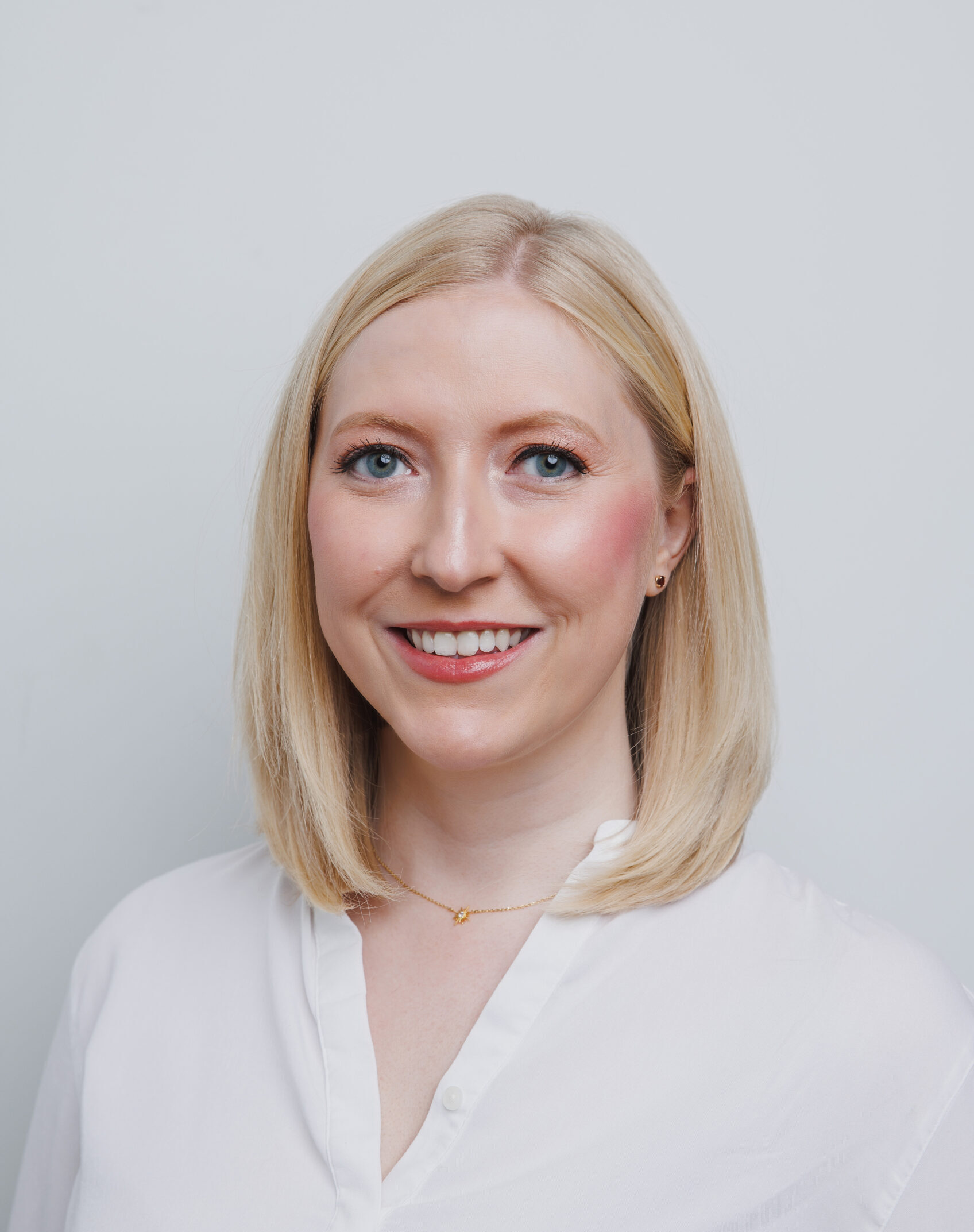
Kelsey Ryan
Executive director, AHCJ
This fall, AHCJ will launch a one-year pilot that gives health journalists access to one-on-one consultations with an experienced health journalist. Members will be able to discuss story ideas, sourcing, investigations, records requests, data interpretation, ethics and health policy.
The Health Editor Help Desk isn’t meant to replace newsroom editors. It’s meant to fill a gap many journalists told us they’re encountering: access to experienced health editors who have the time to talk through story ideas, sourcing and reporting challenges.
Success won’t be measured by the number of consultations. It will be measured by whether journalists produce stronger reporting — and whether this becomes a sustainable model for supporting health journalism. Sometimes innovation isn’t about invention, but about preserving something you’ve always needed in new ways.
We’ve opened applications for AHCJ’s first Journalist-in-Residence who will help build and lead the Health Editor Help Desk while also producing timely reporting and analysis for our members. This role is equal parts journalist, editor and mentor. It’s an opportunity to help reporters navigate one of journalism’s most challenging beats while helping AHCJ test a new model for supporting the profession.
So if you’re someone who loves both reporting and mentoring — and who believes helping another journalist tell a stronger story can be just as rewarding as writing one yourself — we hope you’ll apply.
And if you’re a funder interested in supporting this kind of field-building work, I’d love to talk.
Finally, if you’re one of the many members who shared your experiences during our strategic planning process — thank you. This idea started with you.