Survival of the fittest: Covering the resurgence of eugenics-coded health policies and products
By Abigail Ruhman/AHCJ-Texas Health Journalism Fellowships
The words reporters use and how publications tell stories can play a significant role in challenging ideas that are harmful to people with disabilities, according to a panel at HJ26.
Leading journalists and disability advocates said reporters and editors have a responsibility to identify and push back on policies and actions that contribute to a “resurgence” of eugenics – a scientifically inaccurate theory that humans can be “improved through selective breeding of populations.”
“Disability is a lived experience. When you think about writing stories about disabled communities, we really encourage you to talk to disabled people themselves; not their caregivers, not their interpreters, not their doctors.
Ericka A. Dixon
Senior national organizer
Disability Project at Transgender Law Center
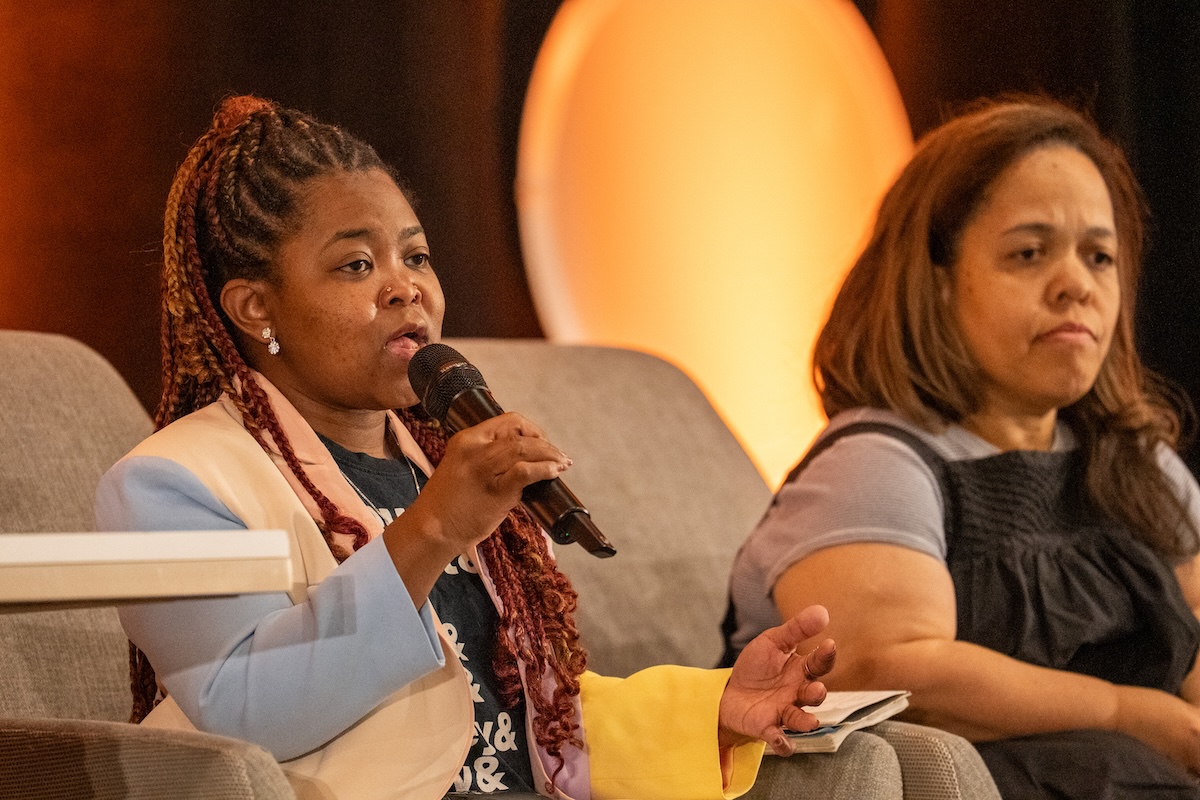
Ericka A. Dixon, a senior national organizer with the Disability Project at the Transgender Law Center, said their organization offers resources to help journalists report on marginalized disabled communities more effectively. They said that involves identifying two core concepts that can contribute to the presence or growth of eugenics-based ideas and policies: ableism and healthism.
Ableism refers to discrimination towards people with physical, intellectual or psychiatric disabilities based on a belief that non-disabled bodies and minds are superior. Healthism can accompany or inform ableism by framing “health” as an individual responsibility, which then leads to a belief that disability or sickness is a result of personal failures.
Both concepts are rooted in systems of oppression and perpetuate ideas like transphobia and anti-black racism, according to Dixon.
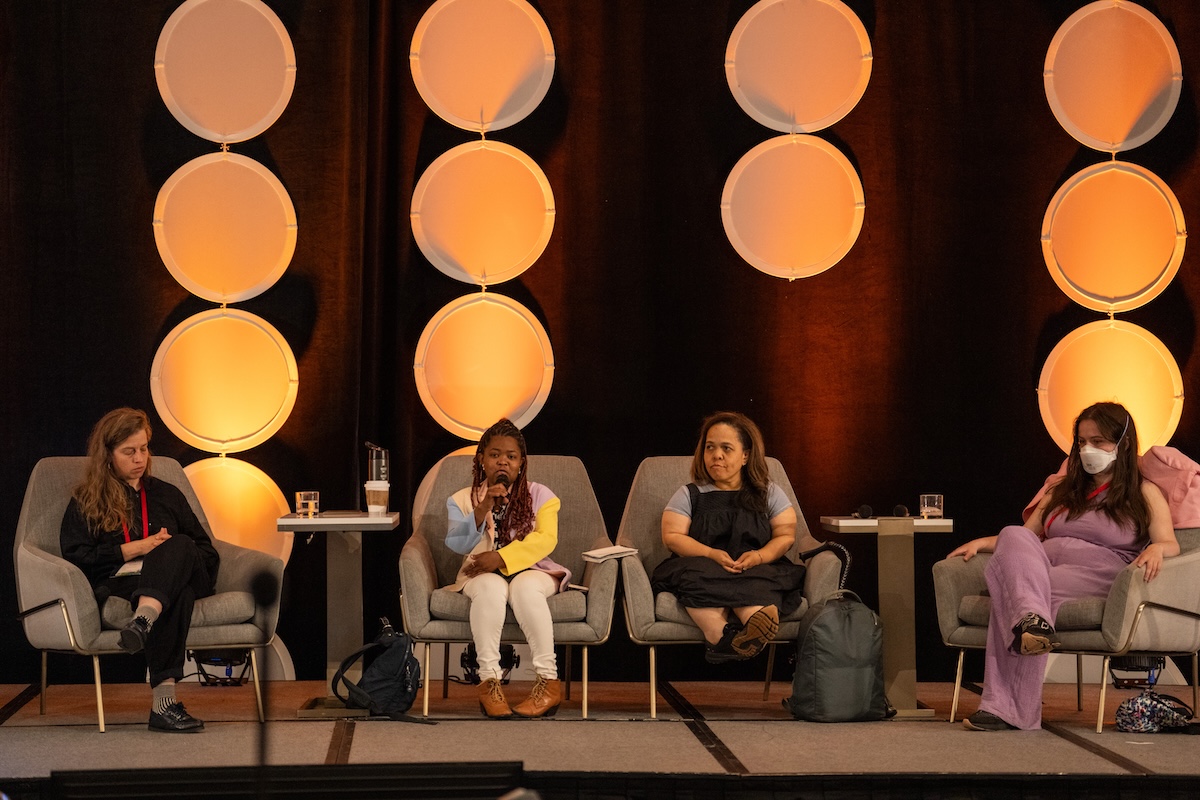 Panelists at the HJ26 session “Survival of the fittest: Covering the resurgence of eugenics-coded health policies and products.” From left to right: Megan Molteni, Ericka A Dixon, Cara Reedy, and Julia Métraux. Photo by Zachary Linhares
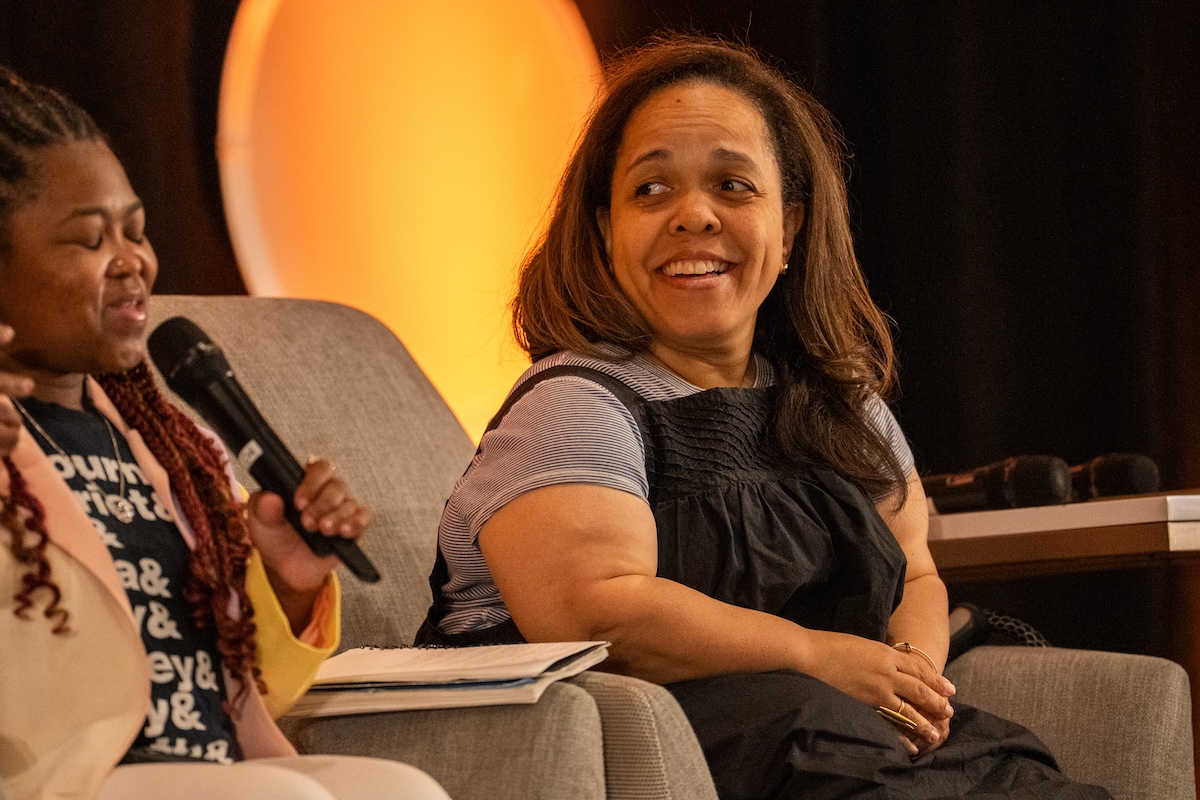 Cara Reedy, founder and director of the Disabled Journalists Association, laughs as fellow panelist Ericka A. Dixon speaks at HJ26. Photo by Zachary Linhares
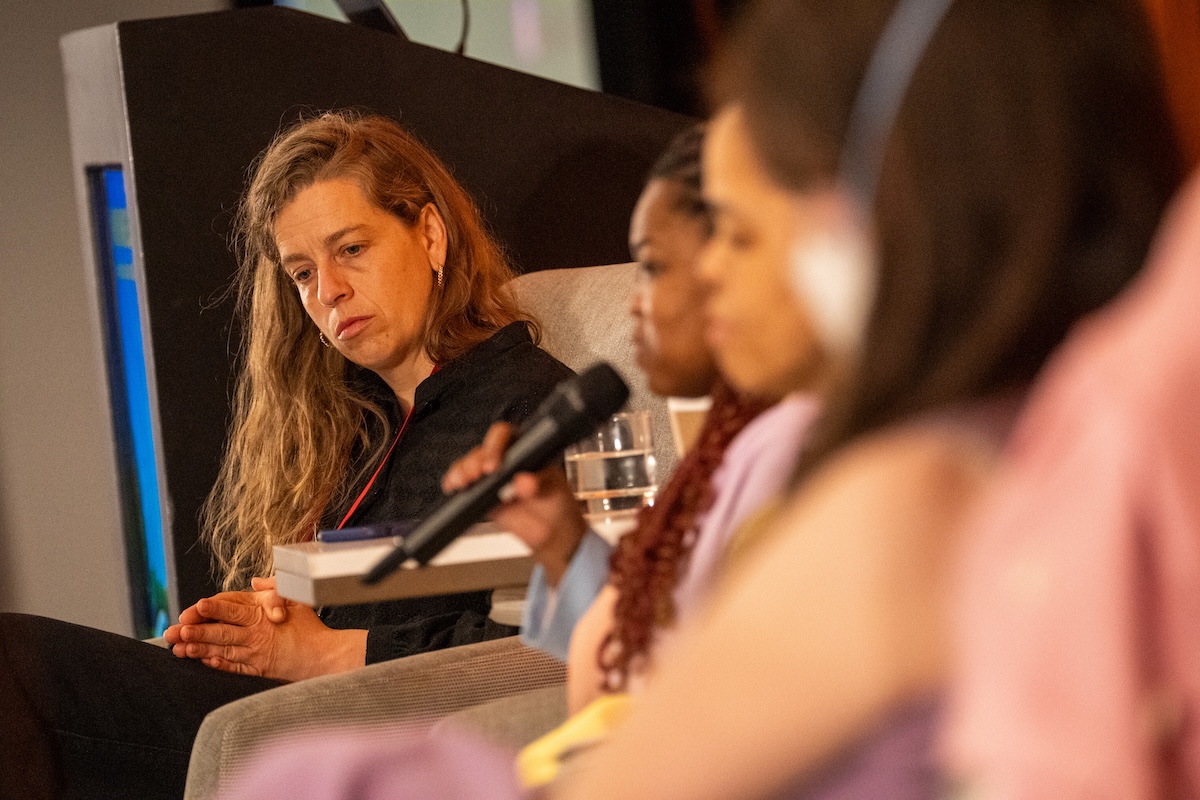 Moderator Megan Molteni of STAT News on the HJ26 panel “Survival of the fittest: Covering the resurgence of eugenics-coded health policies and products.” Photo by Zachary Linhares
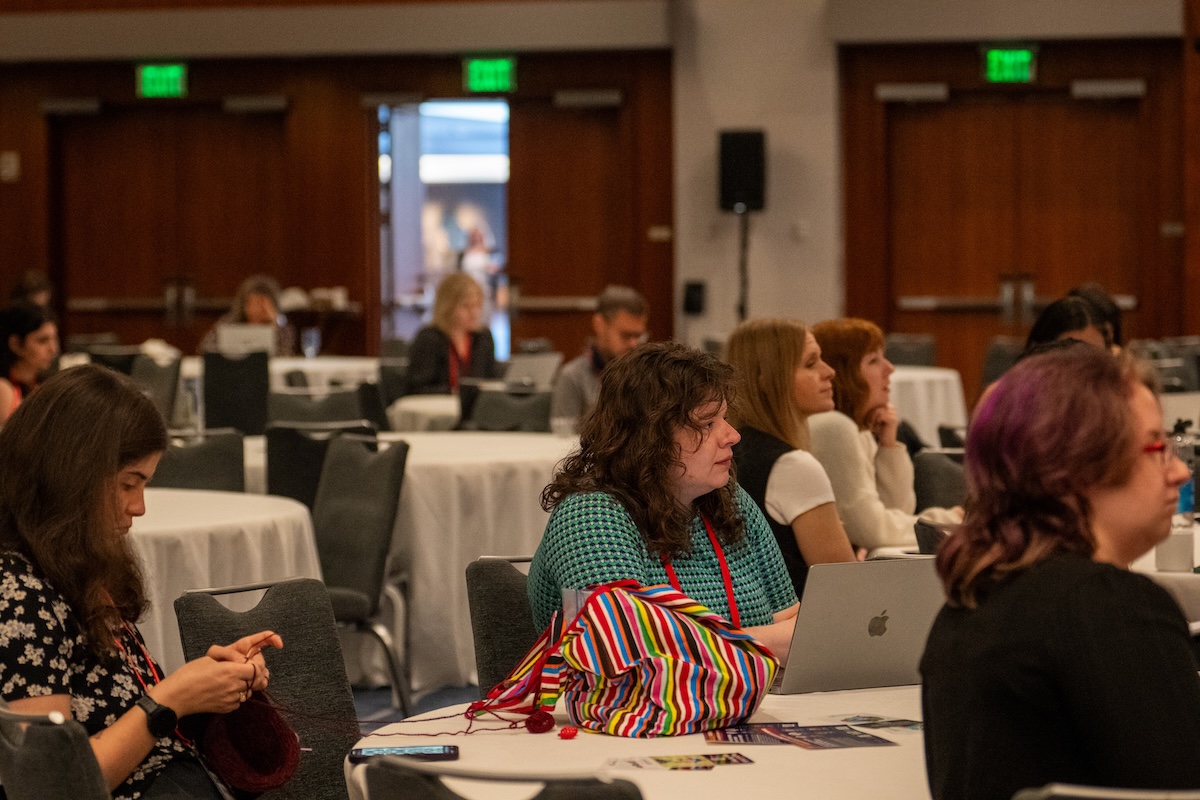 HJ26 attendees listen to the session “Survival of the fittest: Covering the resurgence of eugenics-coded health policies and products.” Photo by Zachary Linhares
Julia Métraux, a disability reporter for Mother Jones, said some recent actions from federal health agencies, like the Trump Administration wanting to “find the cause” of autism, are terrifying to disabled communities.
“A large function of eugenics is to get rid of disabled people,” Métraux said.
Panelists said eugenics-based policies can feel like a thing of the past — but that’s not entirely true.
For example, the United States sterilized thousands of people in the 1900s, but the last known sterilization of a person with a disability was just 10 years ago, according to Cara Reedy, founder and director of the Disabled Journalists Association.
Reedy and other panelists warn that Medicaid funding, criminal justice reform and medical advancements can be informed or inspired by ableist ideology – which means reporters should be able to identify when a policy is based on ableist ideas.
Last year, Reedy’s organization published a story about what they call “the new eugenicists,” covering several significant political leaders, including U.S. Department of Health and Human Services’ leader Robert F. Kennedy Jr. and California Governor Gavin Newsom.
She said some people pushed back, considering it “bold” to call them eugenicists – but she said she stands by the decision, especially as those figures lean further into ableist rhetoric.
“We’re in bold times,” Reedy said. “If we don’t answer in a bold way, we are letting them control the narrative.”
Abigail Ruhman is a Dallas-based Health Reporter for KERA-North Texas Public Broadcasting.