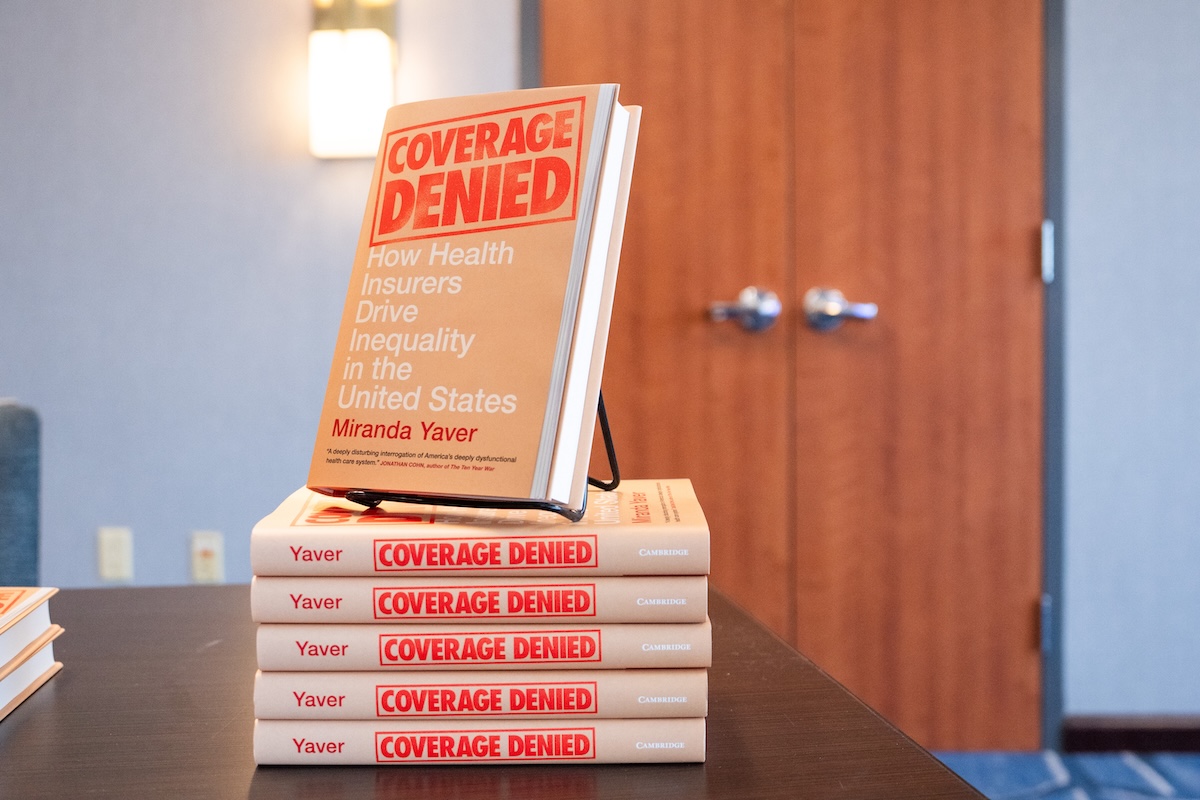
Book talk: The causes and consequences of coverage denial
By Kaley Johnson, Texas Health Journalism Fellow
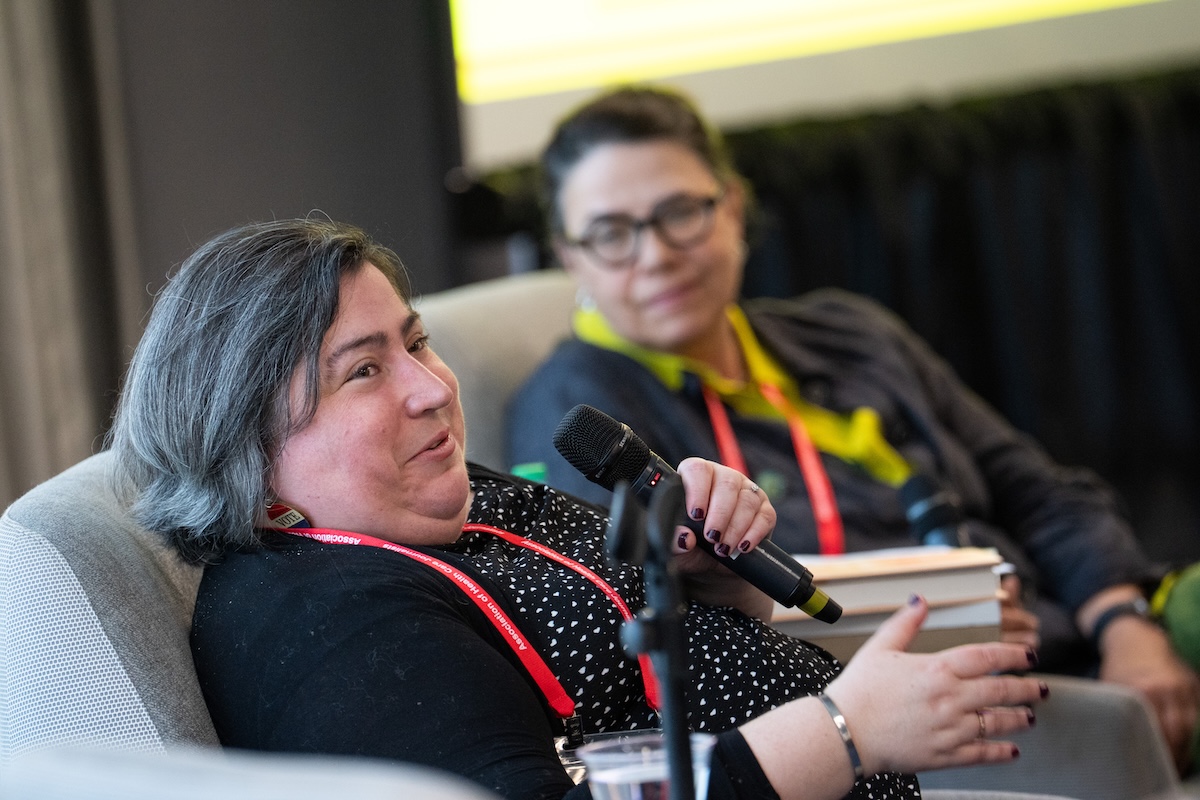
At Health Journalism 2026, Miranda Yaver, Ph.D., untangled the complex world of pre-authorization, coverage denials and how insurers contribute to inequality.
The Q&A, moderated by Usha Lee Mcfarling, director of the MIT Knight Science Journalism Program and an AHCJ Board Member, began with Yaver reading a passage from her 2026 book, “Coverage Denied: How Health Insurers Drive Inequality in the United States.” The section highlighted a woman named Becky who had severe migraines. Becky’s insurer, Blue Cross Blue Shield, denied a higher dose of the medication that helped Becky’s debilitating symptoms. The medication would cost $600 per month, which she could not afford.
Becky’s story is one of hundreds of examples in Yaver’s book of how insurance companies’ denial of necessary medical care impacts millions of people in the United States. The book idea formed from Yaver’s personal experience with insurance denials. Yaver, who has a doctorate from the University of Pittsburgh, chose the topic as her post doctorate. She sent out a nationwide survey that resulted in her interviewing 111 people about their experience with the American health care system.
One of the main issues Yaver highlighted was coverage denials. Her research revealed hundreds of millions of denied claims a year, disrupting people’s medical care and lives.
Those denials mean people cannot access medication, treatment and basic health care needs. And yet, Yaver said, there is a way past these denials that most Americans are unaware of. Appeals of denials are about 50% successful, she found in her research, although fewer than 9% of denied claims are appealed. Most people don’t know that appealing is an option, especially people with a lower health literacy rate or those who don’t have the time or energy to appeal. This is just one example, Yaver said, of how the health insurance system perpetuates inequality.
“Patient experiences show these insurance practices are not just widespread, but structural drivers of inequity,” Yaver said.
Poor people are unlikely to appeal denials, Yaver said. And Black and Hispanic people are more likely to put off medical spending, even when they need the care.
But Yaver did offer some hope. She said there is an appetite for policy change at the state level from Democrats and Republicans. California and Pennsylvania have proposed laws aimed at expanding affordable care. At a federal level, prior authorization legislation has passed in the House of Representatives, but died in the Senate.
Overall, the session highlighted how Yaver’s book provides an insightful look into the rampant issues within the U.S. health insurance system, how it adds to inequality and how average Americans can push back against it.
Kaley Johnson is a freelance writer based in Fort Worth, Texas.