Government Gagged: Overcoming agencies’ secrecy barriers
By Margaret Coker, Georgia Health Journalism Fellow
How can journalists work past and through the barriers of access to government officials, especially in an era when many government agencies consider interactions with reporters as an act of war?
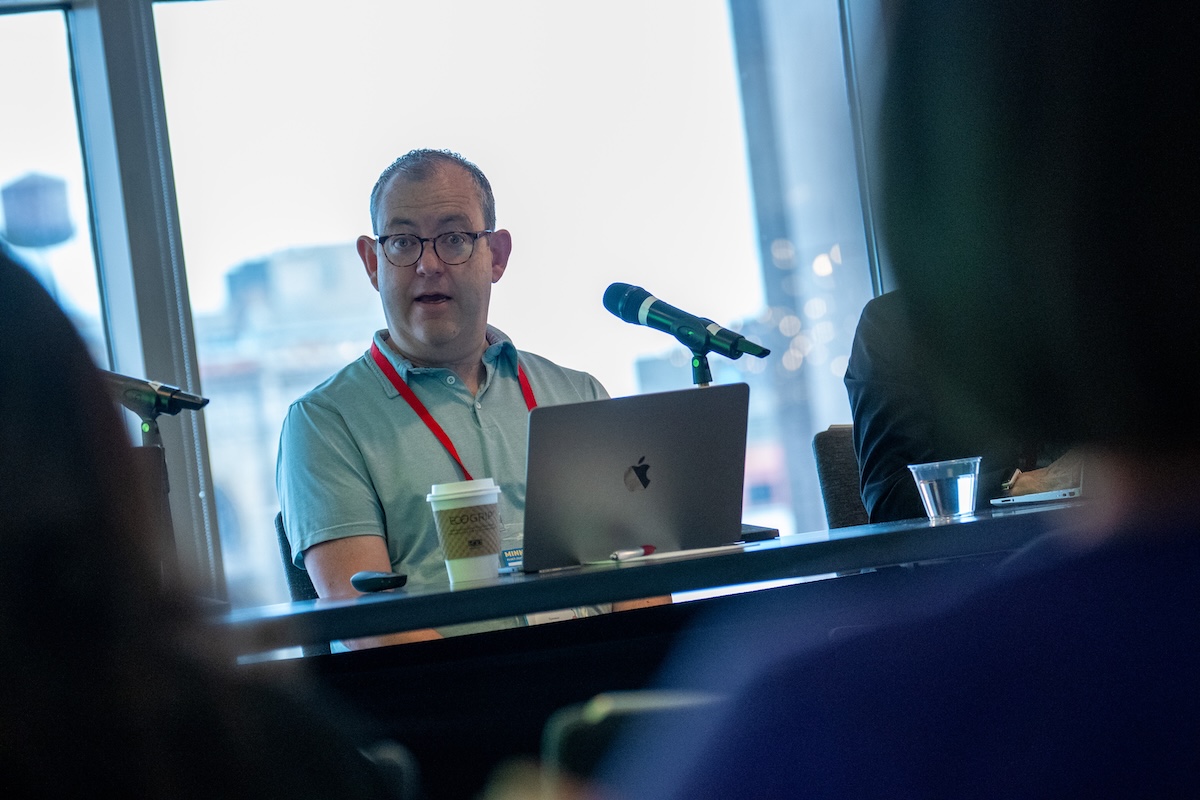
Frank LoMonte, a First Amendment lawyer at the University of Georgia School of Law and in-house consul for CNN, Caroline Hendrie of the Society of Professional Journalists, and ProPublica Managing Editor Charlie Ornstein provided tips and a tool box of advantageous case law and precedent to get information from government sources.
“We are in a moment when standard operating procedures have to go out the window and (we need to) come up with new tactics to get information. We are in the “Pushback Era,” Ornstein said.
He recommended being more strategic, and perhaps circumspect, in engaging with government agencies. Being prepared to interact with hostile agencies means reporters need to understand laws on trespass, for example, when attempting to engage an official at home. Another is knowing that more than two dozen court rulings since the 1960s make it illegal for officials to enact blanket and censorious memos forbidding government workers to talk to the press.
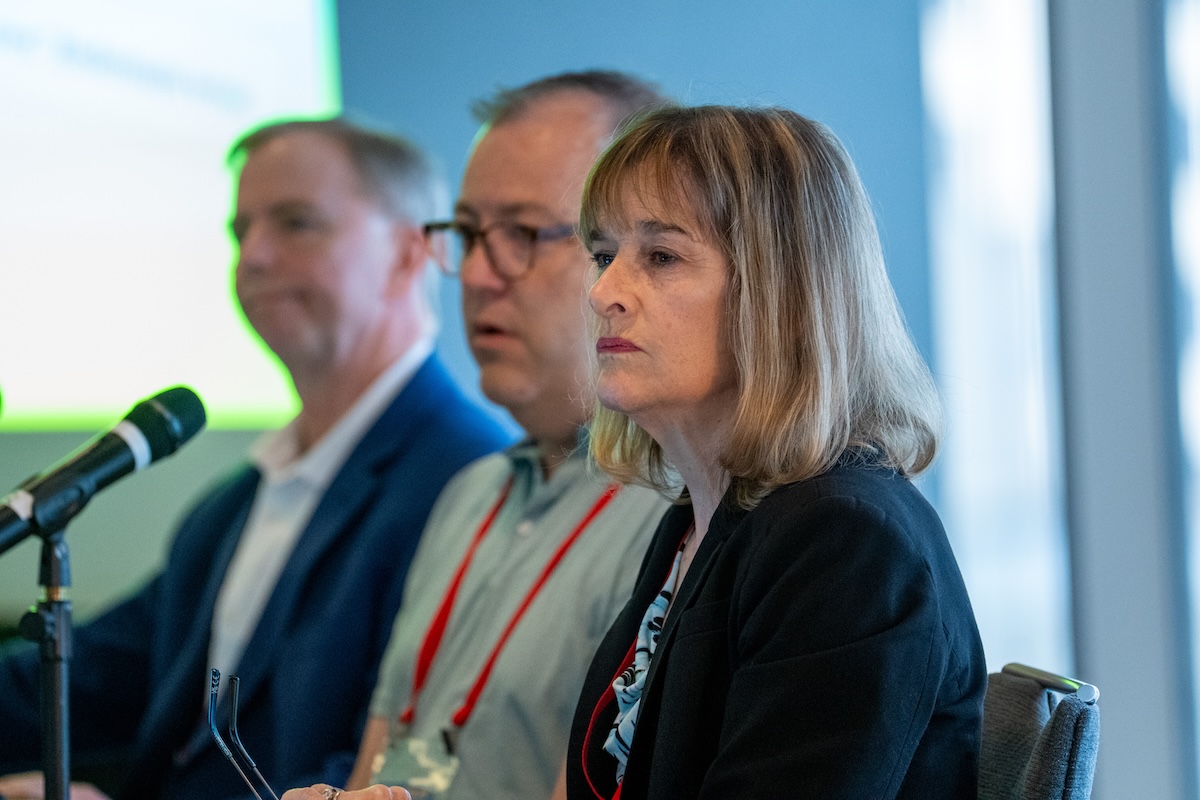
LoMonte and Hendrie provided several examples of government employees suing for First Amendment constitutional violations when punished for speaking to reporters. “You don’t surrender your constitutional rights when you take a government job. Sometimes journalists have to educate government workers about their rights,” said LoMonte. Blanket non-disclosure agreements, for example, are unenforceable, he said.
SPJ helped win a court battle in Florida, when an online news organization sued the city for its policy forbidding local officials from interacting with reporters. The court sided with the news organization in March 2026. “Employees are undefeated when they challenge these rules in court, but people are generally afraid to challenge,” said LoMonte.
The panel encouraged journalists to be diligent with fact checking and attempts for meaningful response from government officials and agencies. Basic fairness allows for space to build trust, and better information, said Ornstein.
When government employees want to talk and are afraid of recrimination, the secure communication app Signal is one of the better ways to communicate, panelists said, but warned that it is not foolproof. Nothing, panelists said, beats an old-fashioned, in-person meeting, especially one without devices that can map location.
Margaret Coker is the co-founder and editor of The Current GA, Georgia’s nonprofit watchdog news organization.