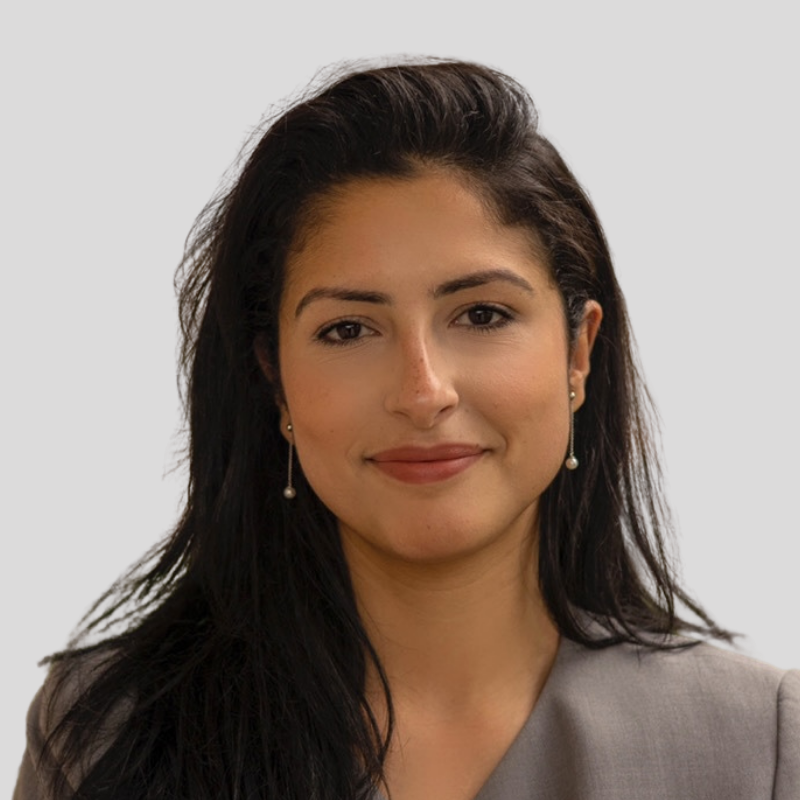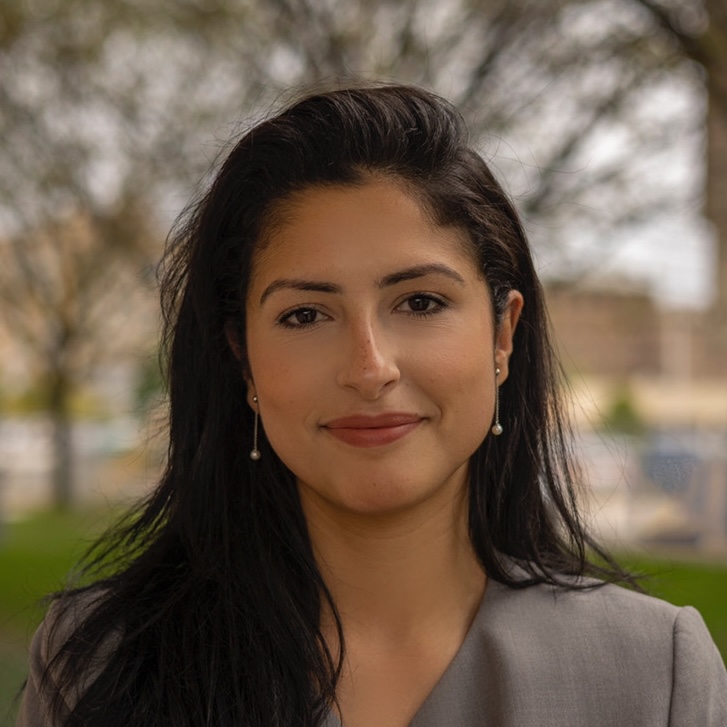
- Moderator: Karen Blum, AHCJ Health Beat Leader for AI and Patient Safety; independent journalist
- Russell Kerbel, M.D., MBA, medical director, Sepsis Prevention, UCLA Health
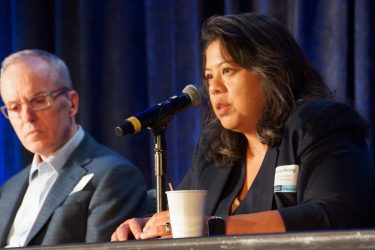
- Lily Lai, M.D., professor of surgery, City of Hope
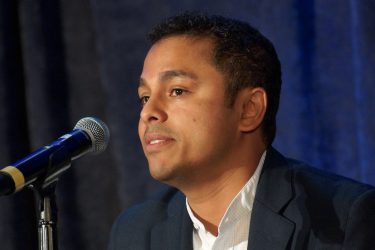
- Shaun Miller, M.D., MBA, chief health informatics officer, Cedars-Sinai Medical Center
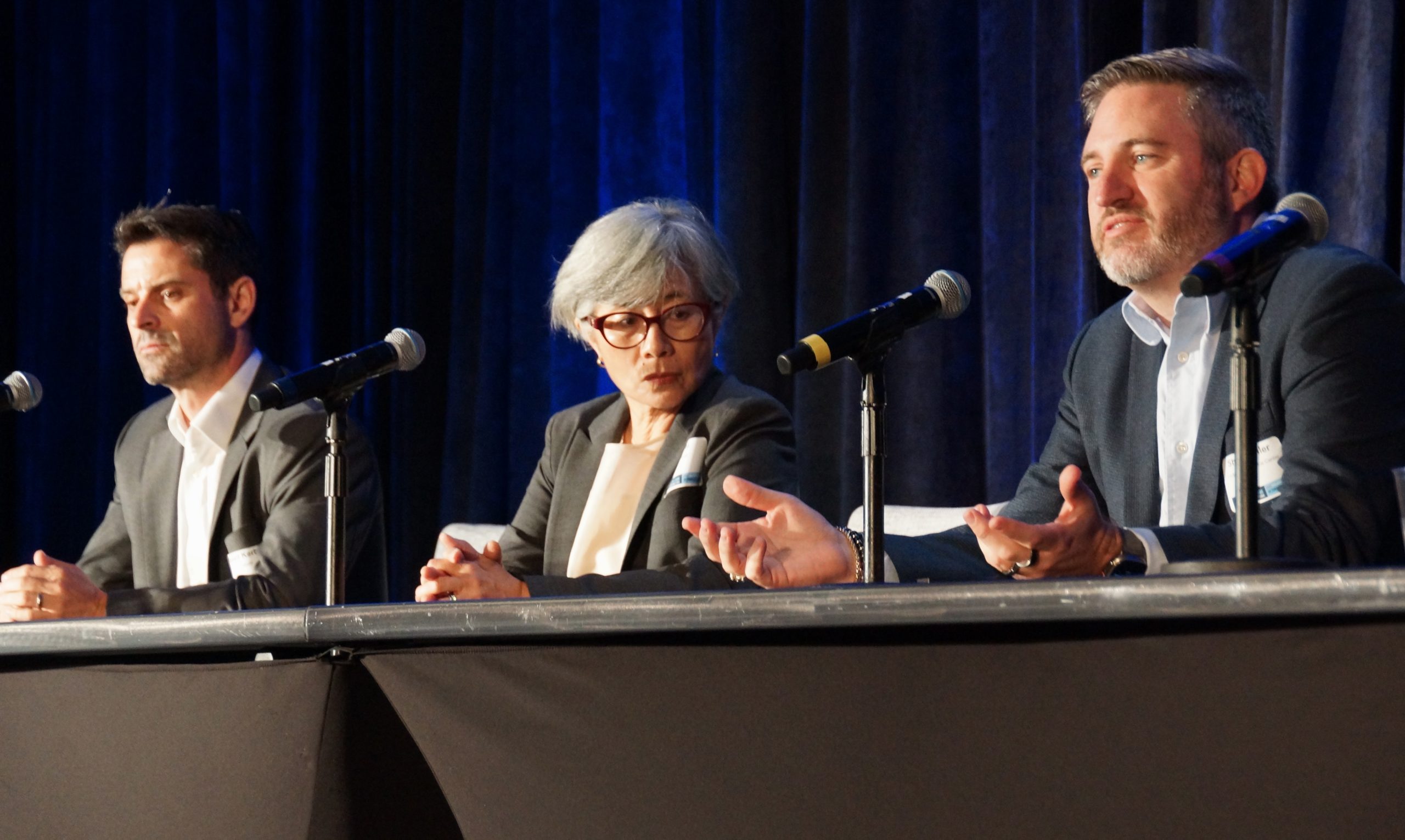
The key to better patient outcomes isn’t how powerful an artificial intelligence (AI) algorithm is — it’s how seamlessly the technology integrates into a physician’s daily workflow, clinical leaders from top Southern California health centers said during a panel at AHCJ’s fall summit in Los Angeles.
Experts from University of California, Los Angeles Health, City of Hope, and Cedars-Sinai Medical Center said AI delivers clinical value only when tied to immediate physician response and rigorous vetting.
Orchestrating emergency response
Cedars-Sinai Medical Center deployed an automated imaging system that predicts pulmonary embolisms — a life-threatening condition. The model continuously scans chest images for blood clots blocking lung arteries before a clinician views them, automatically notifying response teams. This care orchestration reduced time to clot-removal procedures by 40% and shortened intensive care stays, according to Shaun Miller, M.D., MBA, chief health informatics officer at Cedars-Sinai.
“It’s really not just about the AI; it’s about how we’re using it and how it’s incorporated into the workflow,” Miller said.
But for health conditions that lack a definitive test to mark their onset, AI predictive models struggle to deliver similar results.
For example, predictive AI models designed to detect early sepsis, a condition that affects roughly 1.7 million Americans annually and contributes to one in three hospital deaths, often trigger false alarms.
Russell Kerbel, M.D., MBA, medical director of sepsis prevention at UCLA Health, noted that commercial sepsis models produce low positive predictive values—the probability that an AI alarm represents an actual case of sepsis— between 11% and 17%, risking clinician fatigue.
“When learning about these sepsis models, you have to dive down deep to say how they define what that sepsis moment was,” Kerbel said.
Because sepsis is a gradual, complex process without a gold-standard test, every AI model defines the “sepsis moment” differently using combinations of variables, including vital signs, lab values, nursing assessments and notes. As a result, comparing different commercial sepsis tools is like comparing “apples to oranges to grapes to cantaloupes,” Kerbel explained.
But he said that as AI models evolve, he anticipates they will help clinicians identify sepsis earlier, allowing them to administer care sooner and save lives.
“Patients are dynamic. Vital signs and labs change over time,” Kerbel said. “When you have AI models that have at least 50 or 70 variables in there, a human being could never go through the [patient] chart looking at all of those variables over time through the hospitalization. You need a machine to do that and recalibrate over time. AI will identify that time zero for sepsis earlier.”
Predicting surgical complications
Still, predictive AI shows potential when applied to surgical risk, according to City of Hope’s surgical oncologist Lily Lai, M.D. She said predictive AI tools integrated into patient charts helped the institution slash severe surgical complications.
About a quarter of patients undergoing surgery experience complications ranging from mild to severe, which, for cancer patients, can delay vital follow-up treatments, Lai said.
The predictive tool, which displays a score that predicts how likely a patient would experience a surgical complication, helped surgeons lower complication rates among high-risk cancer patients from 58.8% to 46%, according to Lai.
She added that algorithms must complement rather than replace human judgment and that experienced surgeons may not rely on the tool directly. But the tool can help in guiding pre-operative patient counseling.
The full recordings of this panel discussion and more from AHCJ’s fall summit 2026 are available on our website.