Surviving a starved surge capacity in a time of upheaval (or how pickleball saved my sanity and might save yours)
By Calen Moore/Kansas-Missouri Health Journalism fellowship
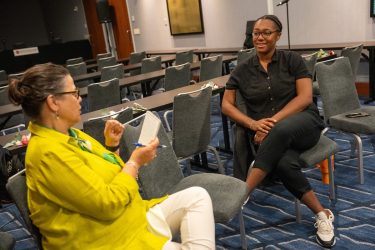
Whether it’s covering a pandemic, war or misinformation, the path forward may not always be clear. A panel at Health Journalism 2026 hoped to provide solace to reporters feeling drained.
In hospitals, surge capacity refers to a facility’s ability to operate during times of crisis, such as a natural disaster or a pandemic. This panel reflected inward, advising on how to manage the surge capacity within yourself and function during times of high stress and prolonged crises.
Moderator Tara Haelle thought back to early 2020, when the COVID-19 pandemic was percolating across the globe. She reports on vaccines and infectious disease for AHCJ; this was her element.
“I could help people, I could explain things, and then it kept going and going; at a certain point you just run out of steam,” Haelle said. “It’s a little bit of burnout, but not quite burnout — it’s a little bit of depression, but it’s not quite depression.”
It’s that gray area that panelist Tai Mendenhall said leads to what he called “ambiguous loss.”
That ambiguity has no resolution, like being with someone who has dementia or if a partner gets institutionalized.
“It’s like leaving without a goodbye, or having a goodbye without someone leaving,” Mendenhall said.
This leads to anxiety and ambivalence. In the journalism profession, it can lead to chronic sadness or trauma symptoms reporting and navigating unprecedented government actions and unrest.
Mendenhall encouraged listeners not to “get over” the ambiguous loss but rather to reconstruct their identity, search for meaning and normalize their ambivalence.
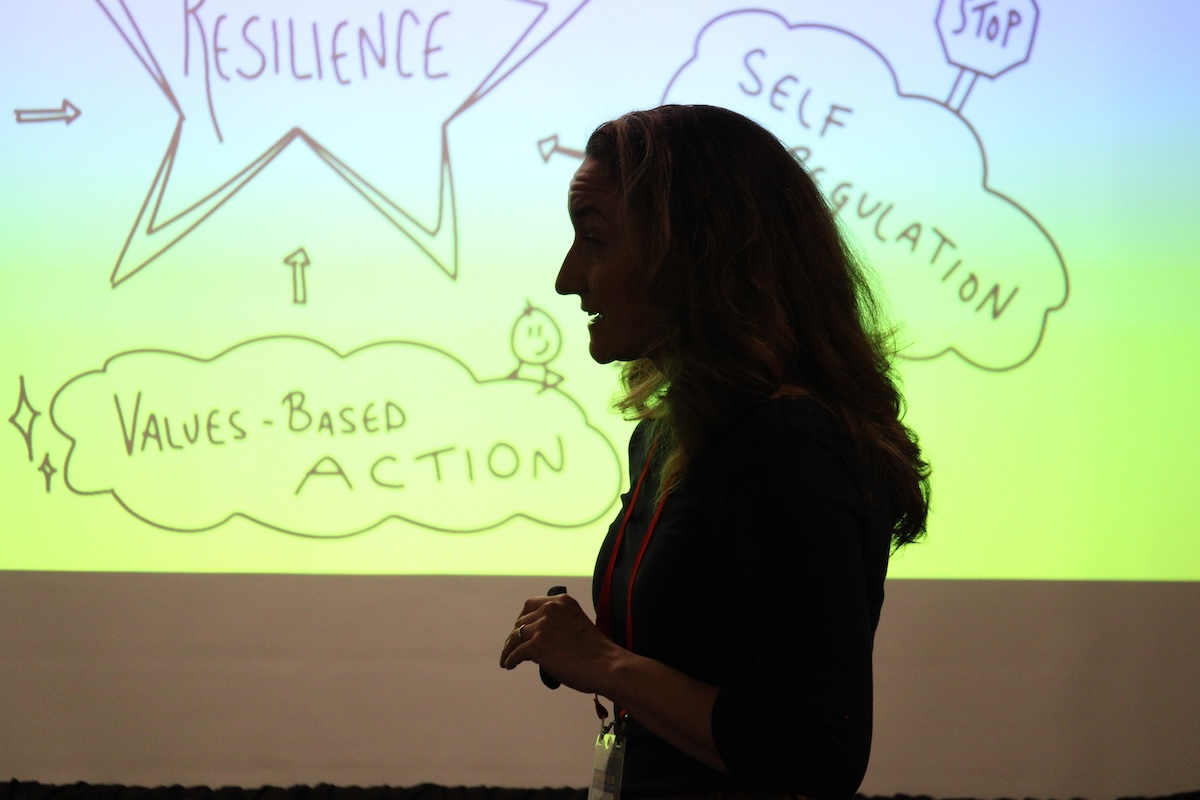
Panelist Kathryn Hecht says the goal with anxiety is resilience. By adapting and taking meaningful action to what matters to you, Hecht said, you can cope with anxiety and ambiguous loss in your profession.
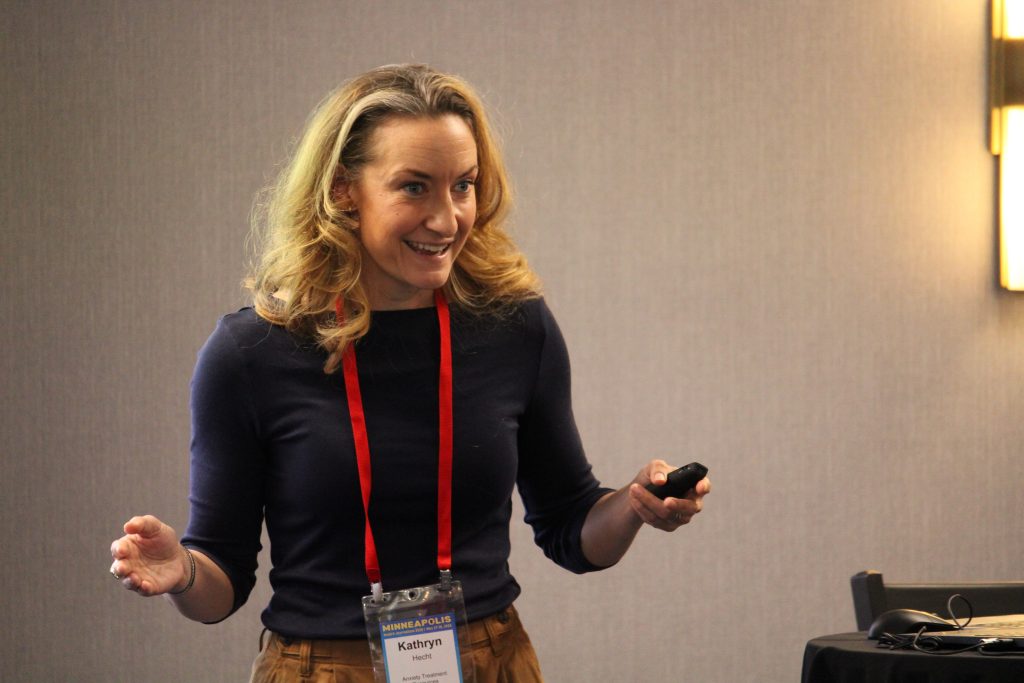
“We can do really difficult things if we know our ‘why’; you have a reason to do it,” Hecht said.
That’s where the pickleball comes in.
Moderator Haelle said what brought her out of her surge capacity depletion was the paddle and ball sport that has grown in popularity in recent years.
Hecht said there is actual psychological evidence to this. Exercise, sleep and social connection are big factors in reducing and managing anxiety.
Haelle encouraged participants to find something that matters to them, and use it to connect with others outside of the news cycle.
Calen Moore is a rural reporter for High Plains Public Radio in western Kansas.