Rural maternity care access: Minnesota perspectives
By Anita Shiva/Texas Health Journalism Fellow
Despite investing billions annually, the United States ranks among the lowest in maternal health outcomes in the world. This session, moderated by health reporter Dené Dryden. featured a diverse panel of leaders working to improve rural maternity care access in Minnesota.
Emily Sheffield described her research team’s unique approach to assessing the quality of hospital-based obstetric care. Sheffield’s team at the University of Minnesota uses a two-stage, multi-year assessment to evaluate rural access to obstetric care. Commonly cited measures, such as the March of Dimes, typically utilize data from a few sources, such as the American Hospital Association (AHA). However, these measures often miss crucial data, such as multi-year family physicians who also provide obstetrics, and OB-GYN specialized physicians who do not provide childbirth care. Sheffield and her research team’s method includes a broader set of data along with the AHA’s, such as the Center of Medicaid and Medicare Provider of Services and accounts for hospital mergers. This allows for a more accurate picture of overall obstetrics care access in rural counties.
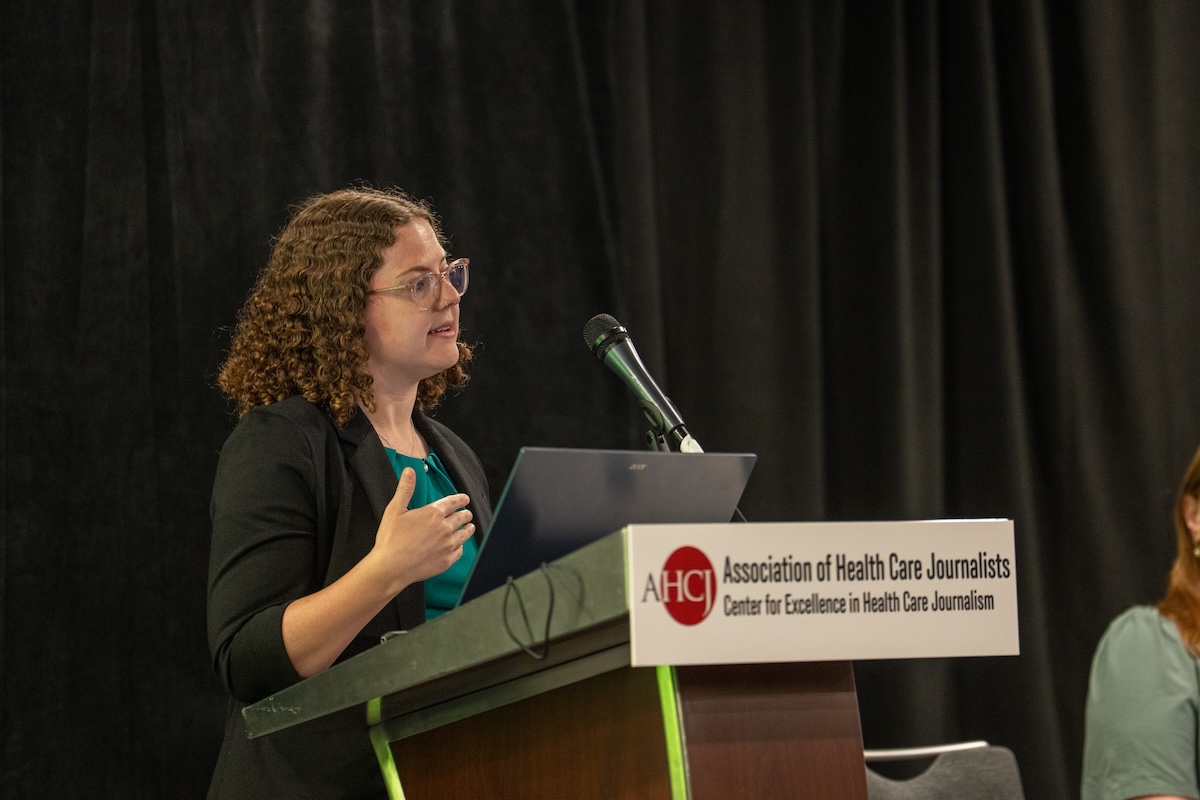
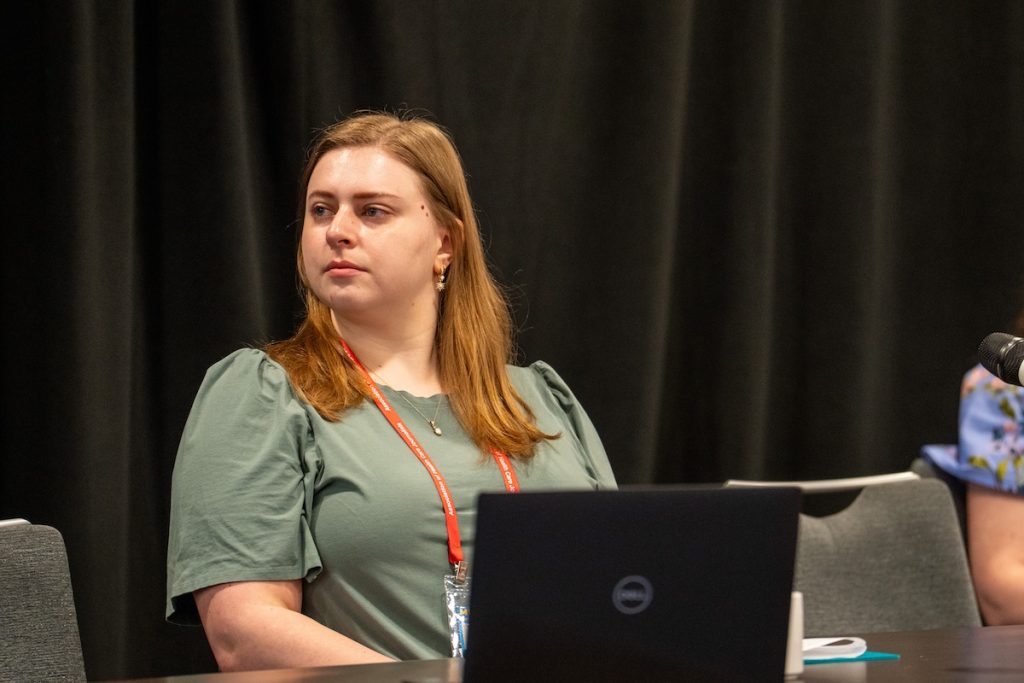 Rochester Post Bulletin Health Reporter Dené Dryden at a session she moderated on rural maternity care access at HJ26. Photo by Zachary Linhares
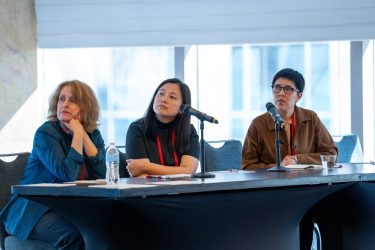
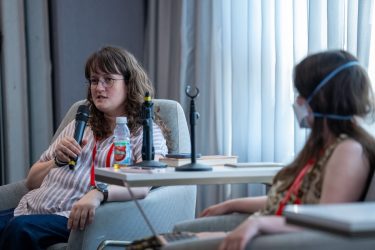
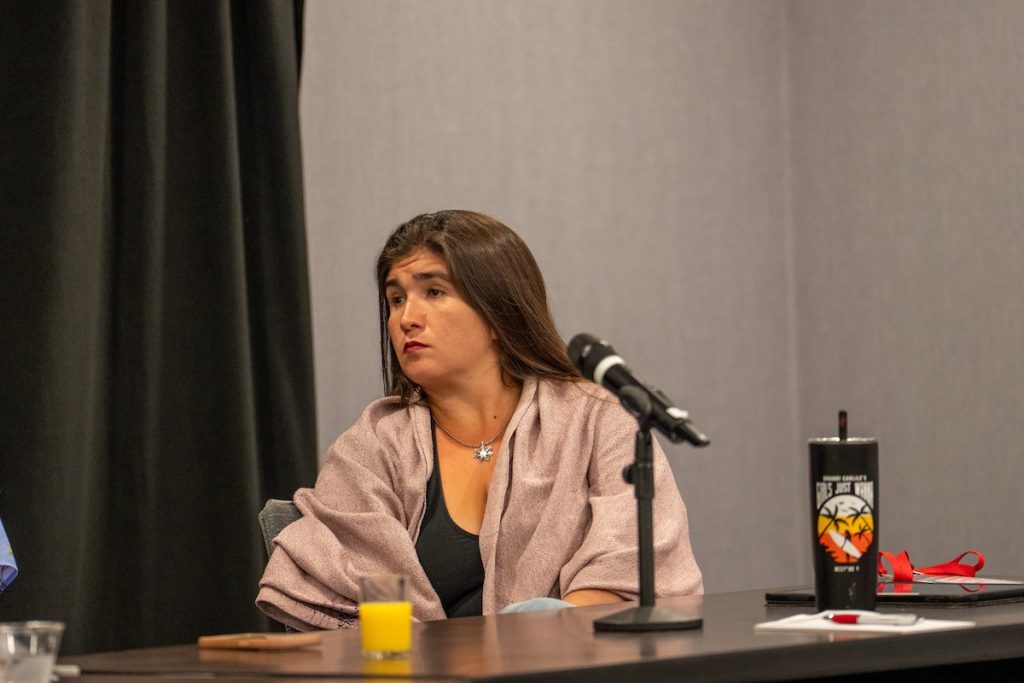 Certified professional midwife Autumn Cavender, CPM/LTM, ILC, at an HJ26 session on rural maternity care access. Photo by Zachary Linhares
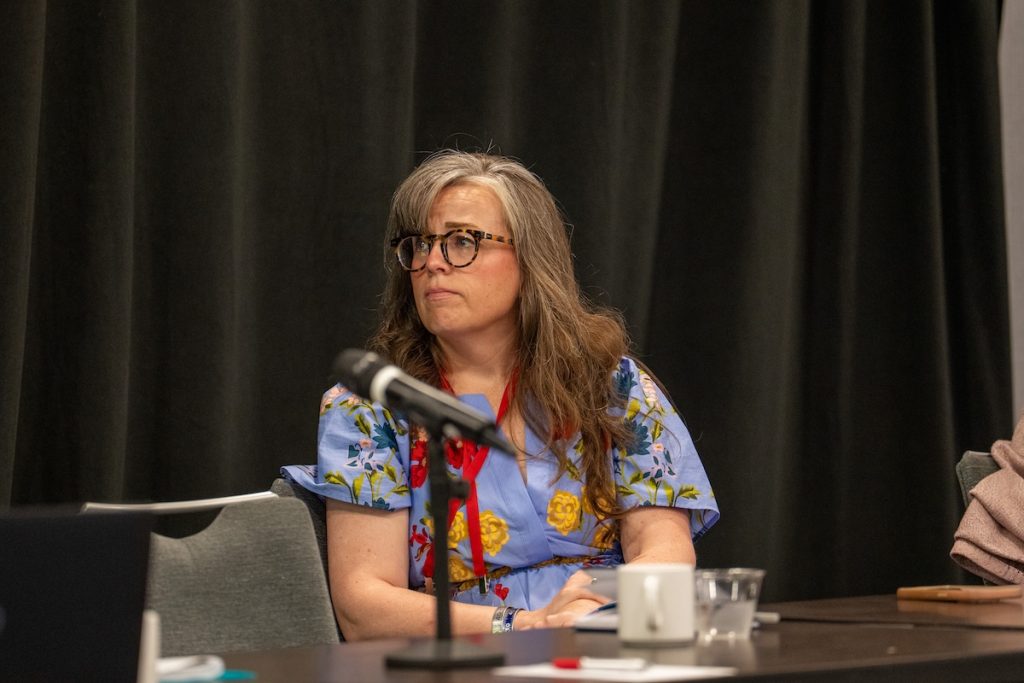 Obstetrician gynecologist Melissa Richards, M.D., at a session on rural maternity care access at HJ26. Photo by Zachary Linhares
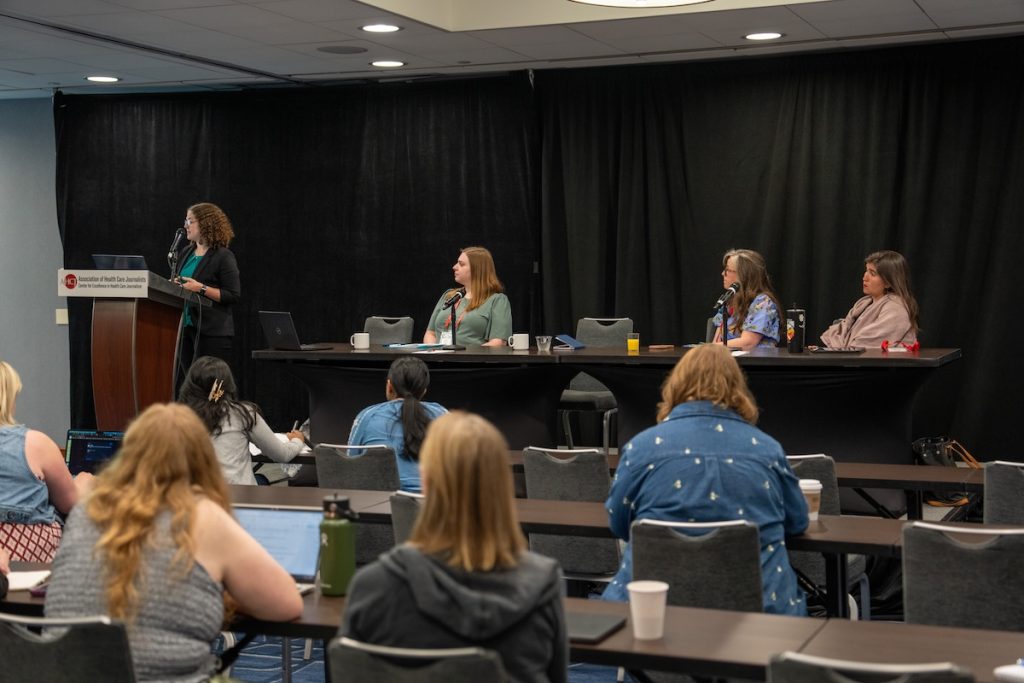
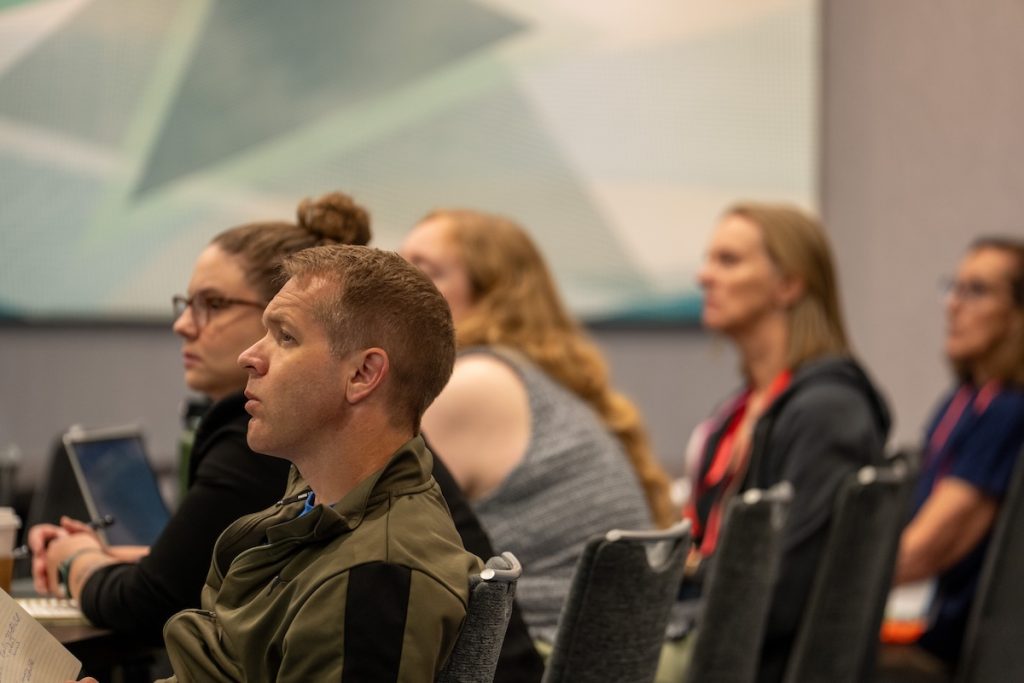 Attendees at the HJ26 session “Rural maternity care access: Minnesota perspectives.” Photo by Zachary Linhares
Dr. Richard’s presentation highlighted her work at Olmsted Medical Center, a rural clinic in southeastern Minnesota working to improve maternal outcomes. OMC is committed to offering full-service OB-GYN services, while preserving patient autonomy in the labor and delivery process. For example, OMC providers aim to meet the needs of patients who may prefer vaginal birth due to religious obligations.
“For us, choice is very important,” said Dr. Richards.
Autumn Cavender, a doula and midwife residing in the Pezihutaazizi K’api, home of the Dakota Oyate Nation in Minnesota, discussed the U.S.’s poor standing in maternal outcomes, as well as the lack of consistent data available on maternal health outcomes of Indigenous people. Cavender also criticized the expectation of doulas and midwives to advocate for patients, which “places undue burden on non-healthcare providers to fix a healthcare problem”. While doulas and midwives can coach patients to advocate for themselves during the labor and delivery process, they cannot directly provide care in a hospital setting.
During the moderated discussion and Q&A, the panelists discussed possible solutions for addressing the current maternity care crisis in the U.S. These solutions include:
- Placing healthcare providers in patients’ homes, where patients will be most comfortable advocating for their autonomy. Carle Health offers at-home nursing support for pregnant mothers and families, which has led to better outcomes. ‘Tiered’ healthcare systems that include doula care and midwifery were emphasized by all three panelists.
- Reducing educational gaps on the role of doulas and midwives
- Fostering open conversation on how factors, such as socioeconomic status, can influence maternal care access