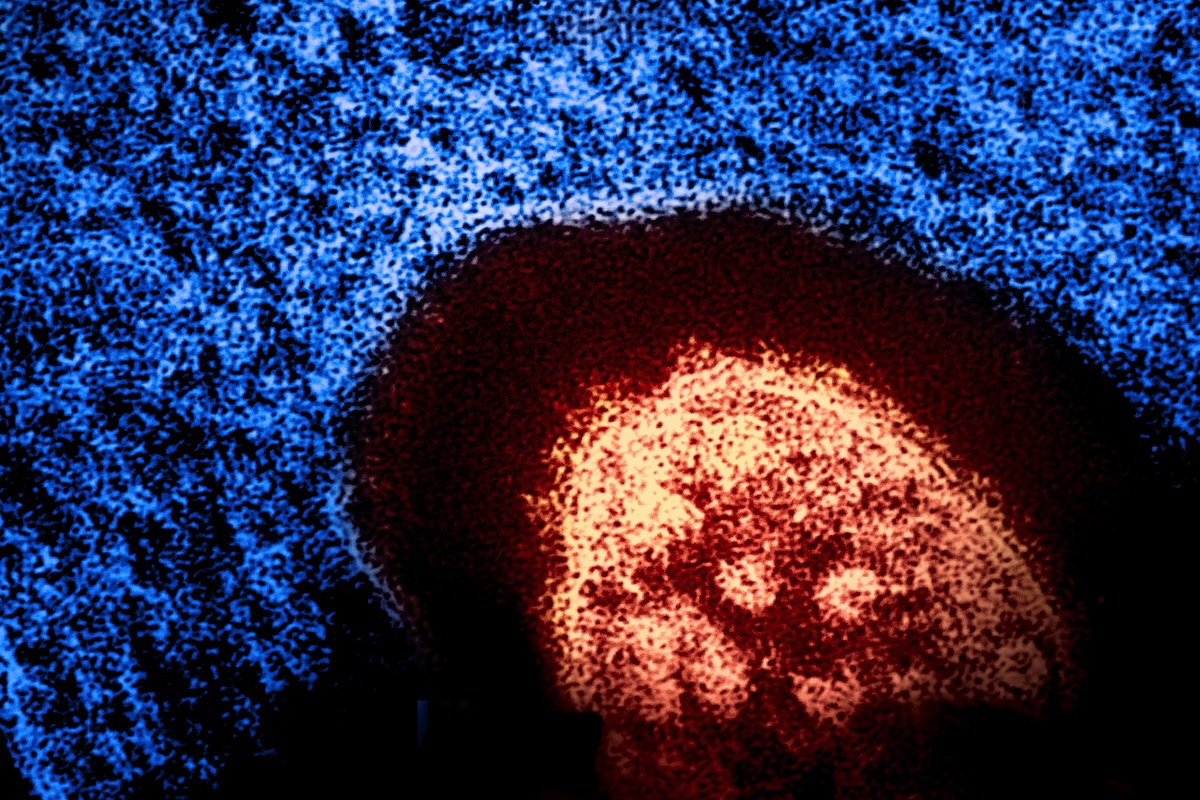
Pennsylvania officials reported two deaths of unvaccinated individuals from measles Tuesday, the first two in the state in over three decades. The deaths were in Lancaster County, west of Philadelphia, which was one of the epicenters in 1989-91 of the worst measles outbreak in the U.S. since the vaccine became mandatory for public school attendance.
Now, the country is experiencing the worst measles outbreak since that one, passing the record-breaking 2,289 cases reported in 2025 with 2,777 confirmed cases as of August 20. Much of the information in the AHCJ’s last post on covering measles remains helpful for journalists covering the ongoing outbreaks today. But several angles could strengthen the story by accounting for the rise in other vaccine-preventable diseases and policy developments that could worsen the situation.
What’s important to emphasize about measles now
Consider spotlighting the role public officials are playing in policies that decrease trust in the measles-mumps-rubella vaccine and reduce belief in how serious and deadly the disease is.
“The United States is experiencing a 35-year high for measles cases as federal officials continue to elevate misleading and disproven information about vaccines, inserting unnecessary fear and confusion into families’ decision-making. And we are seeing the results,” American Academy of Pediatrics president Andrew Racine, MD, PhD, said recently in a prepared statement.
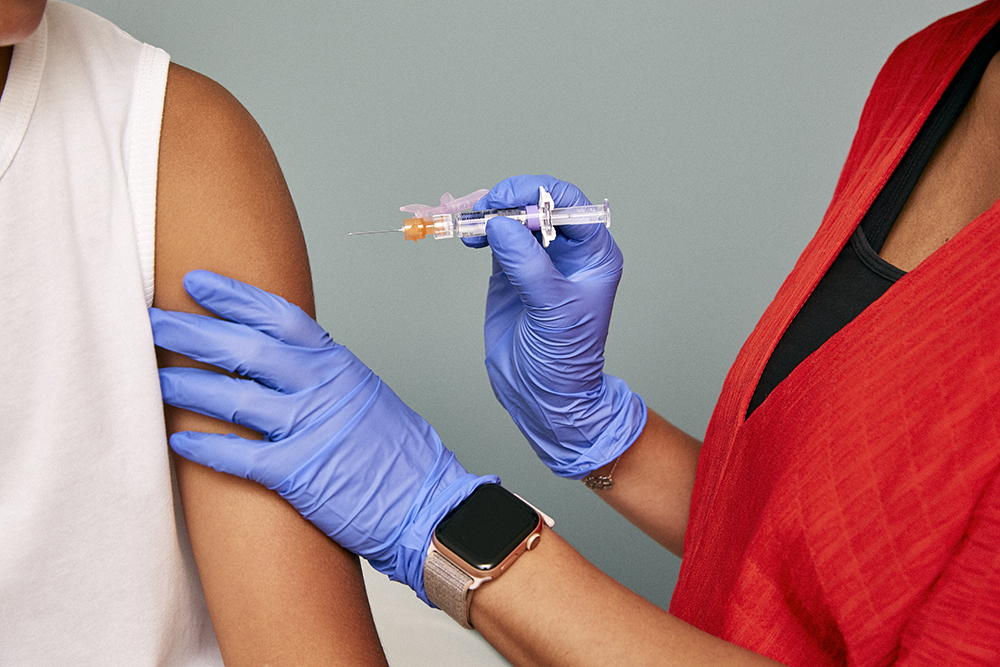
Racine also noted in the AAP’s response to the recent measles deaths that, in addition to routinely recommended MMR vaccination at age 1, children in areas with an active outbreak can receive their first dose of the MMR as early as 6 months old. Stories about what families can do now to protect themselves against the measles outbreak should include that recommendation, which many may not know, and address whether any adults need a measles booster.
Other angles journalists can explore are the long-term effects of measles infection. These include hearing loss and brain damage from encephalitis, immune amnesia, where the infection causes the body to “forget” previous infections and the body’s immune response to them, and subacute sclerosing panencephalitis (SSPE), which killed a child in Los Angeles last year.
Finally, reporters can look into whether local wastewater surveillance is looking for measles in those systems, as a study found in New Mexico, and what it would mean if the U.S. lost its measles elimination status, as many experts expect will happen soon.
Other vaccine-preventable diseases on the rise
Measles is often seen as a harbinger of the return of other vaccine-preventable illnesses because it’s the most contagious and therefore the first to show major outbreaks. But other diseases are already making a comeback. The U.S. recorded its highest annual cases of tetanus in two decades earlier this summer, and the 38 tetanus cases in 2025 and 33 in 2024, including in unvaccinated children, are significantly higher than past years.
Rotavirus cases were also higher than usual this year, potentially due to trends being seen in lower vaccine uptake. Another worry among experts is that Haemophilus influenzae Type b (Hib) is returning amidst the dip in vaccination rates. Though the vaccine is only recommended in children, some adults are at risk as well.
Journalists should keep an eye on surveillance systems at the state and national levels to watch for other disease incidence increases, Eyal Leshem, MD, director of the Center for Travel Medicine and Tropical Diseases at Sheba Medical Center and a former epidemic intelligence service (EIS) officer at the CDC, told AHCJ. “Investment and innovation in disease monitoring and surveillance, along with improvements in vaccine coverage, are key to preventing infectious diseases and should be main topics for coverage,” he said.
New policies are reducing vaccine confidence and access
The most significant policy moves affecting the confidence and access to childhood vaccines come from Robert Kennedy Jr.’s leadership at U.S. Health and Human Services and Trump’s recent executive order, which this explains. Reporters can focus on the confusion created by these changes as well as the potential harms to health. Valuable voices for these stories include not only local pediatricians and public health officials but major figures in vaccine development, such as Stanley Plotkin, who shared his thoughts in a recent NYT letter to the editor.
What states are doing also merits coverage, either individually or as an overall trend that risks damaging the integrity of the U.S. immunization ecosystem. In Florida, for example, Surgeon General Joseph Ladapo approved a rule on August 20 that proposes to remove hepatitis B, varicella (chicken pox), Haemophilus influenza type b (Hib) and pneumococcal conjugate vaccinations as requirements for public school attendance. The 21-day period for public input before final approval makes this story a particularly time-sensitive one for Florida residents, and stories could focus on the risks of Hib, hepatitis B, chickenpox (and shingles, since later risk is conferred by varicella infection), and pneumococcal disease.
To keep up with developments in other states, journalists should watch vaccine-related bills in their state legislatures and connect with parent and advocacy groups like Voices for Vaccines, Vaccinate Your Family, and American Families for Vaccines, which has 14 state chapters.
Resources
- WastewaterSCAN Dashboard
- Measles Public Health Response, Children’s Hospital of Philadelphia
- Pennsylvania state dashboard of measles cases
- CDC communication undermines trust in vaccines, Science, April 2026
- Tetanus Surveillance — United States, 2009–2023, MMWR
- Clusters of Invasive Haemophilus influenzae Type b Disease Among Adults Using Substances or Experiencing Homelessness or Housing Instability — Alaska, Oregon, and Washington, 2023─2025, MMWR
- American Families for Vaccines PAC