Visual storytelling: How to cover your bases
By Cecil Egbele/2026 Health Journalism California Fellow
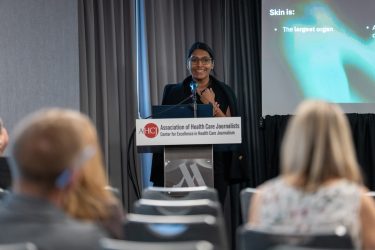
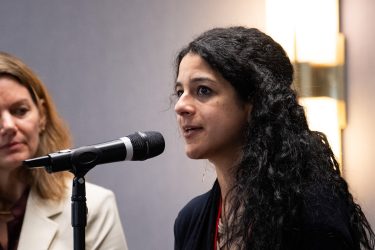
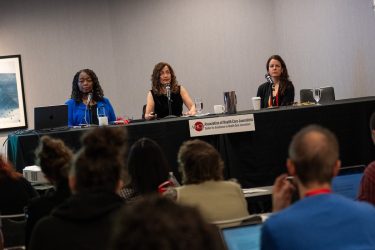
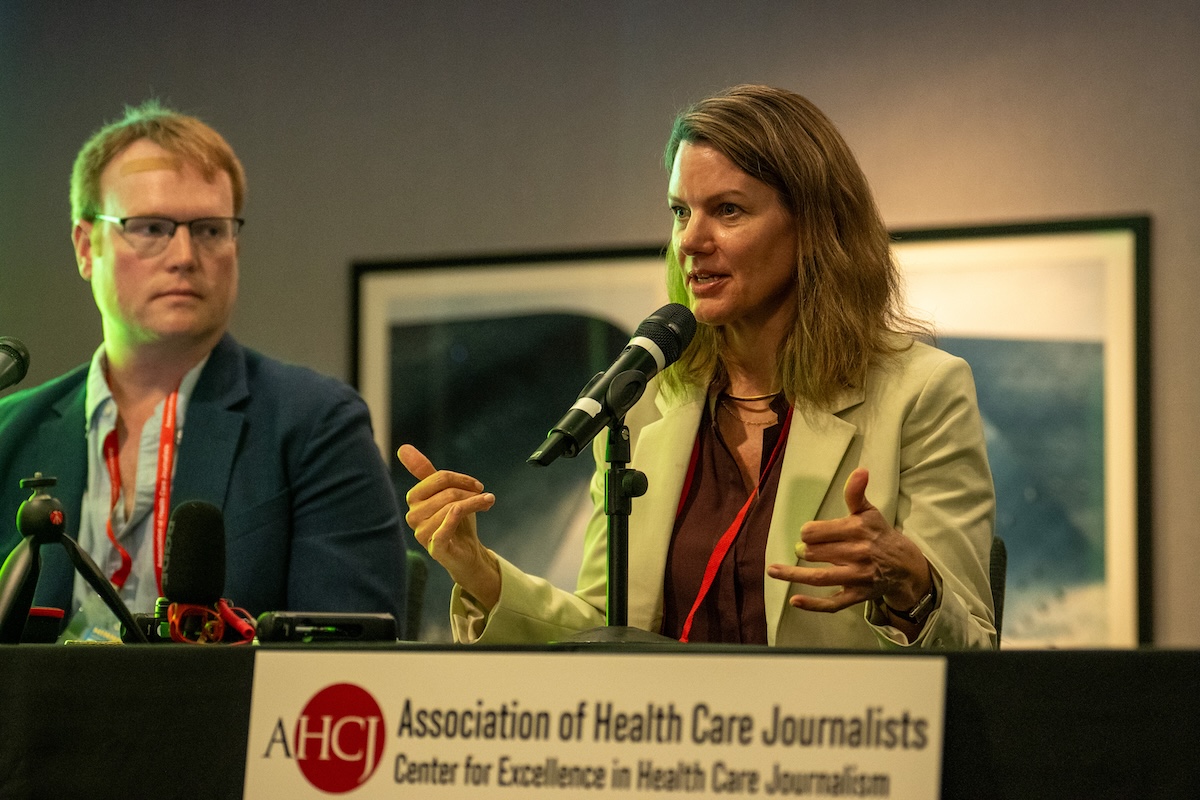
A panel of veteran broadcast journalists at HJ26 urged reporters to be more intentional about visuals, sound and framing when producing stories for mobile, social and broadcast platforms. The group focused on practical techniques journalists can use to make their reporting more compelling without sacrificing accuracy or ethics. Here are their key takeaways.
Use visuals to report, not just decorate
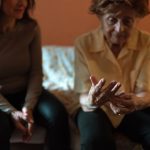
The speakers repeatedly returned to a simple idea: Every image should actively serve the story. Sarah Varney of PBS NewsHour said photos and B-roll should show who people are, what they are doing, and why the viewer should care — not merely decorate a story.
Panelists noted that candid shots of sources in daily activities often tell stronger stories than posed portraits. Moderator Jason Kane, a producer at NBC News, and Hari Sreenivasan, a host of Amanpous & Company, shared examples from a PBS NewsHour reporting trip to Guatemala, where field photography conveyed the human scale of child malnutrition in ways data alone could not.
Shoot to establish both setting and action
Panelists advised reporters to think in sequences when capturing images — wide, medium and tight shots — so audiences understand both setting and action. They recommended shooting in 10-second increments for B-roll, warning that short clips often leave editors without enough usable material.
Sreenivasan urged reporters to be deliberate about every frame: “Why does this particular image help my audience understand what I’m trying to say?” he asked attendees. He said to be thoughtful about composition, motion and environmental detail when shooting with smartphones.
Prioritize good audio over video
Bad audio, the panel agreed, is more damaging than imperfect video. They stressed the value of external microphones and testing equipment before any shoot.
But imagery is important too. Panelists advised against busy patterns and tight stripes on camera. As for lighting placement and camera angles, they said to position lights above and slightly angled, rather than flat and direct.
For guests wearing glasses, they recommended tilting the frames slightly downward to reduce lens reflections. For Zoom interviews, reporters were advised to prep guests at least 15 minutes before– adjusting framing, background and eyeline to camera.
Collaborate with newsroom leaders
The panel agreed that video for social media platforms offers greater flexibility and slightly different rules than those for television, and encouraged reporters to align on goals with their newsroom and engagement teams. Still, the panel told reporters to stay clear about their purpose: Whether the goal is a polished TV package, a vertical social clip or a quick, high-engagement reel, the choices should serve the story rather than the algorithm.
The session wrapped with a display of a full smartphone field rig brought by Steve Potter, a reporter with PBS Wisconsin. It featured a phone mount, wireless lavalier mic and portable light — a lean, versatile setup that is becoming standard for solo field reporters.
Cecil Egbele is a multiplatform journalist with the Bakersfield News Observer under the California Local News Fellowship and a reporter with the USC Center for Health Journalism.