
Book talk: ‘Healing the Gun Violence Epidemic: A Trauma Surgeon’s Perspective’
By Suzanne King (Kansas-Missouri Health Journalism Fellow)
As a Chicago trauma surgeon, Dr. Selwyn O. Rogers, Jr., witnesses the impacts of gun violence far too often.
In his book, “Healing the Gun Violence Epidemic,” he shares those stories about the victims of violence to remind people about the deep human toll that comes with each shooting.
I want to change the narrative. Too often, the only narrative is: Street. Dead or alive. And something about who is to blame.
Dr. Selwyn O. Rogers, Jr.
Chief of trauma and acute care surgery
University of Chicago Medicine
Rogers, whose book comes out in July, is the chief of trauma and acute care surgery at University of Chicago Medical Center on the city’s South Side, which suffers the brunt of Chicago’s gun violence.
Society needs to know the wider stories about the victims and the circumstances, Rogers said during a book talk at Health Journalism 2026.
“It’s so easy to demonize a person that’s dead or the person who got shot,” Rogers said. “Well, does a 16-year-old riding a bicycle in a park deserve to get shot? Does a 2-year-old lying in bed in their house deserve to get shot?”
Journalists covering shootings in the United States need to tell a more complete story about the human cost of gun violence, Rogers said. He referenced a recent shooting on Chicago’s South Side, just blocks away from the recently opened Barack Obama Presidential Center. Eric Billups, 16, was waiting at the school bus stop when he was shot multiple times and killed, but the story was barely mentioned in the news cycle.
“That kid and his entire class, and an entire school, and all the teachers and all the principals are traumatized,” Rogers said. “Those are the stories that don’t get told. And we accept, ‘Oh, it’s just another kid,’ which is why it’s so important that we get these stories out. Because it’s not just another kid.”
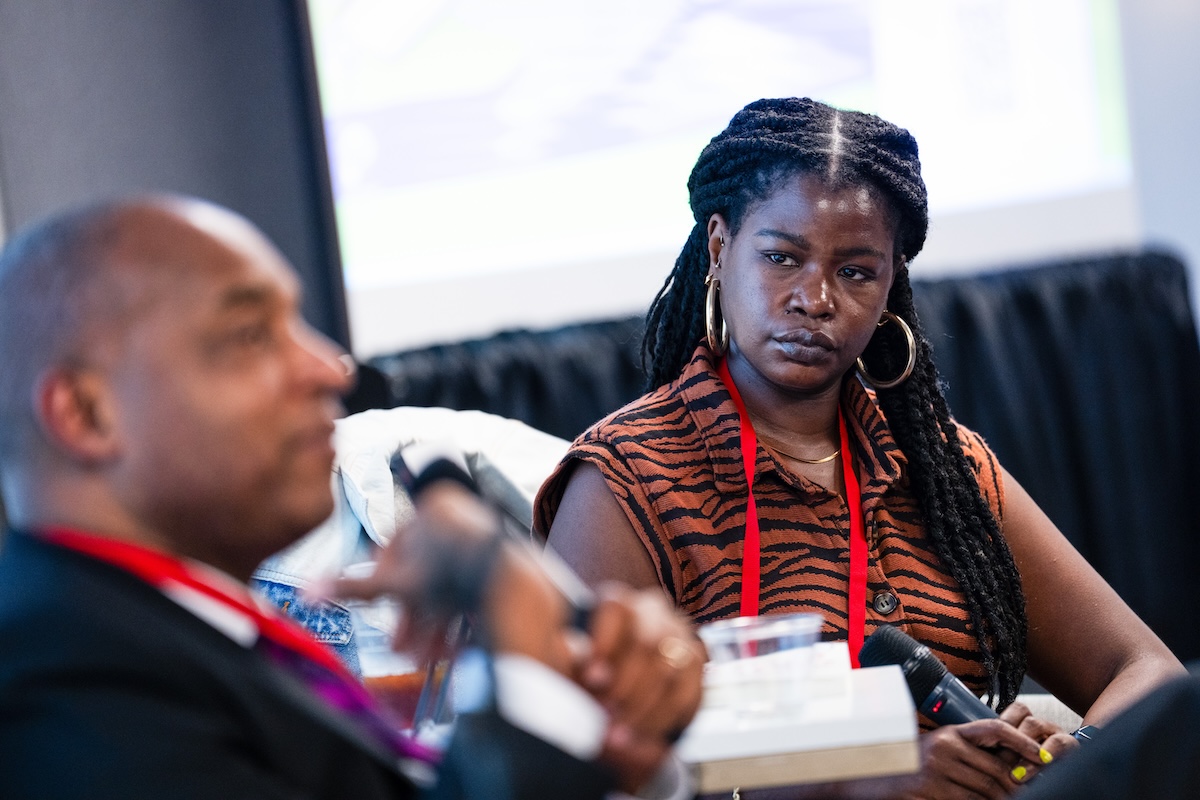 Moderator Abené Clayton listens to Dr. Selwyn O. Rogers, Jr., speak at HJ26. Photo by Zachary Linhares
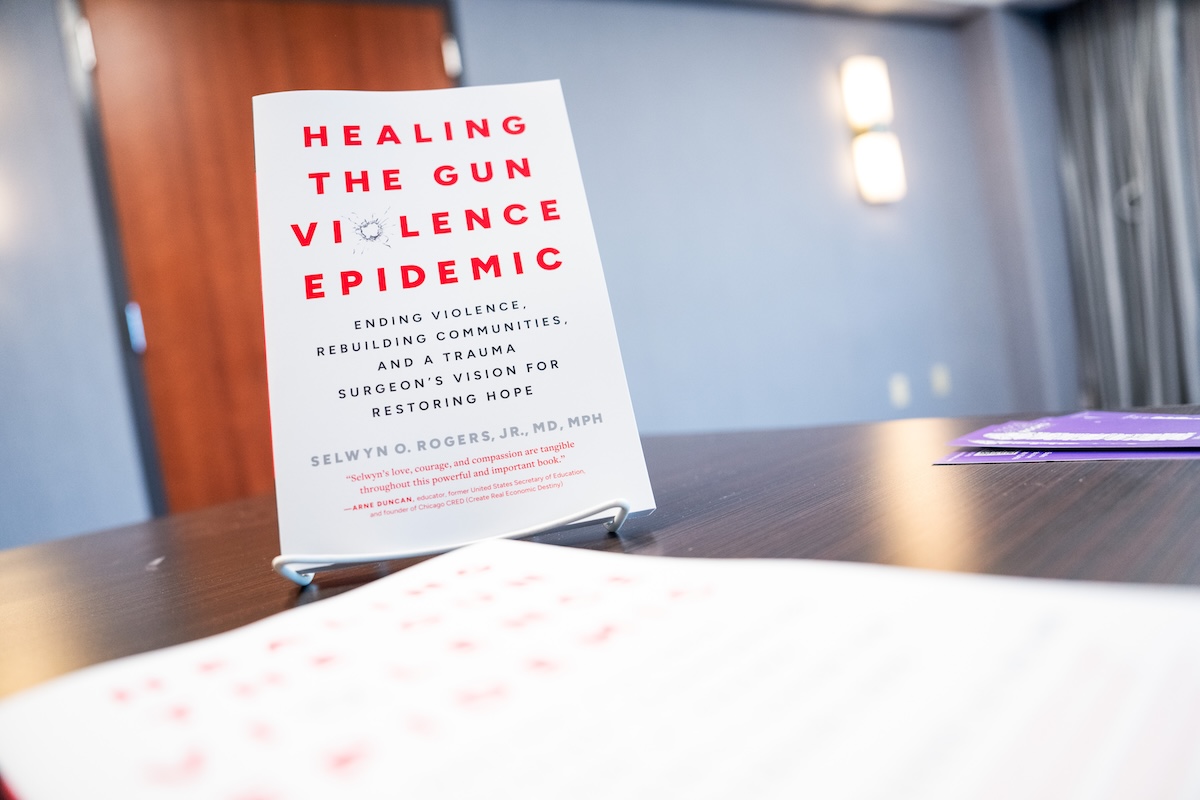 Dr. Rogers’ book “Healing the Gun Violence Epidemic: A Trauma Surgeon’s Perspective.” Photo by Zachary Linhares
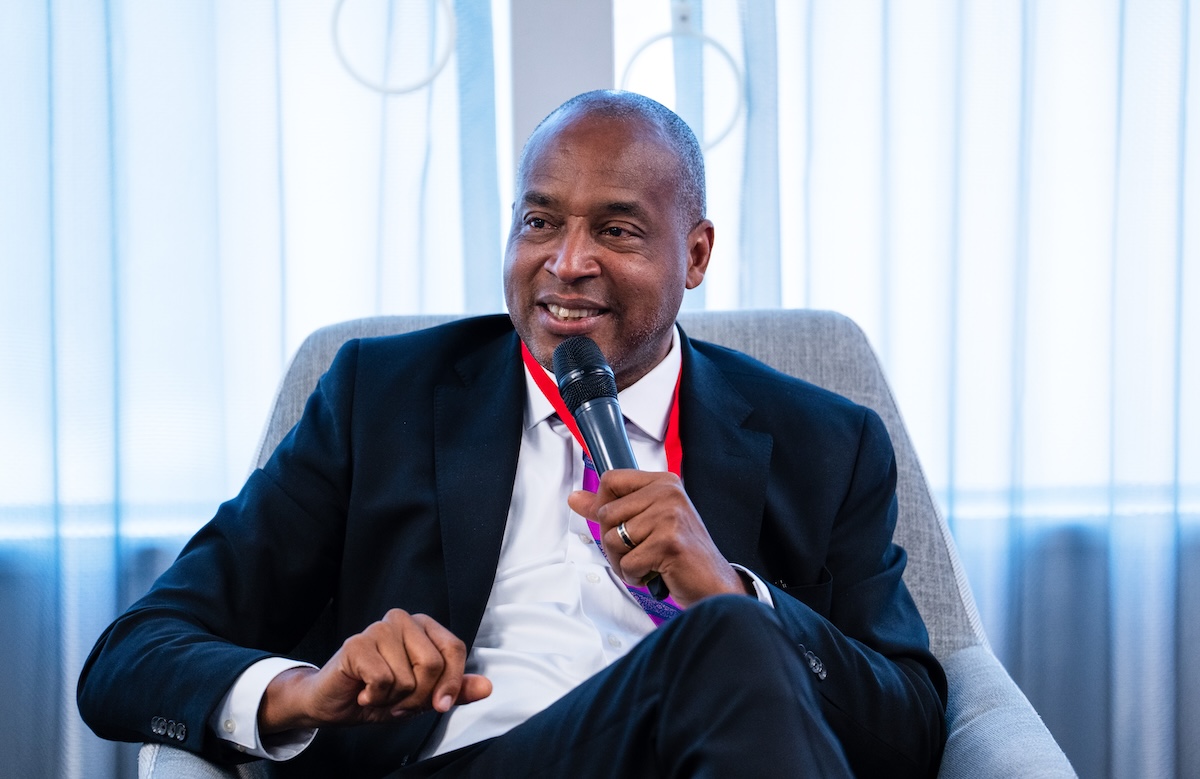 Dr. Selwyn O. Rogers, Jr. Photo by Zachary Linhares
 HJ26 attendees listen to Dr. Rogers’ book talk at HJ26. Photo by Zachary Linhares
Hospitals also need to take more responsibility for helping victims of gun violence, Rogers said. Treating physical wounds is not enough. Patients need help with healing from the mental trauma.
Although a growing number of hospitals have violence prevention programs to help people recover holistically, Rogers said, more needs to be done.
“Our ability to meet mental health needs is atrocious,” he said. “That is anxiety. It’s depression. It’s post-traumatic stress. It’s social discohesion.”
But Rogers said those problems will likely get worse as federal funding cuts to programs like food assistance and health care take effect.
“Stay tuned,” he said, “because the erosion that’s happening to the social safety net is only going to make people more stressed individually and collectively, and likely will make gun violence worse.”
Suzanne King is a health care reporter at The Beacon in Kansas City, Mo.