In the fall of 2018, as scientist Pardis Sabeti and I were preparing to publish our book “Outbreak Culture: The Ebola Crisis and the Next Epidemic,” many people were eager to move on from conversations about infectious disease. The world was several years removed from the devastating Ebola outbreak in West Africa, and for many, the crisis felt contained — a tragedy of the recent past rather than a warning about the future. In the book’s final chapter, I argued that another pandemic was not a matter of if, but when. One reviewer described that conclusion as alarmist. Less than two years later, COVID-19 would prove otherwise.
While “Outbreak Culture” focused on the Ebola outbreak in West Africa, which eventually subsided, the central question that drove my reporting and research remained unresolved: What do outbreaks reveal about us?
The book was never really about Ebola alone. It is about the stories societies tell during moments of uncertainty. It is about how institutions communicate risk, how journalists frame emerging threats, how communities respond to fear, and how power shapes public understanding of disease. Ebola served as a lens through which to examine something larger — the culture that emerges around outbreaks.
Today, as the Democratic Republic of the Congo (DRC) confronts what has become one of its fastest-growing recorded Ebola outbreaks, those questions feel newly urgent. The outbreak involves the Bundibugyo strain of Ebola, for which there is still no approved vaccine or targeted treatment, and has already spread across multiple provinces and into neighboring Uganda. Experimental therapeutics are now being tested in response to the outbreak even as health systems struggle to keep pace.
Outbreak culture as a reporting framework
Outbreaks are never solely biological events. They are social, political, economic, and cultural events that reveal how societies understand risk, trust institutions, communicate uncertainty, and assign responsibility.
Outbreak culture describes the narratives, behaviors, policies, and public perceptions that emerge alongside infectious disease events. It includes public trust in health authorities, media framing, misinformation, resource allocation and the ways communities respond to public health interventions.
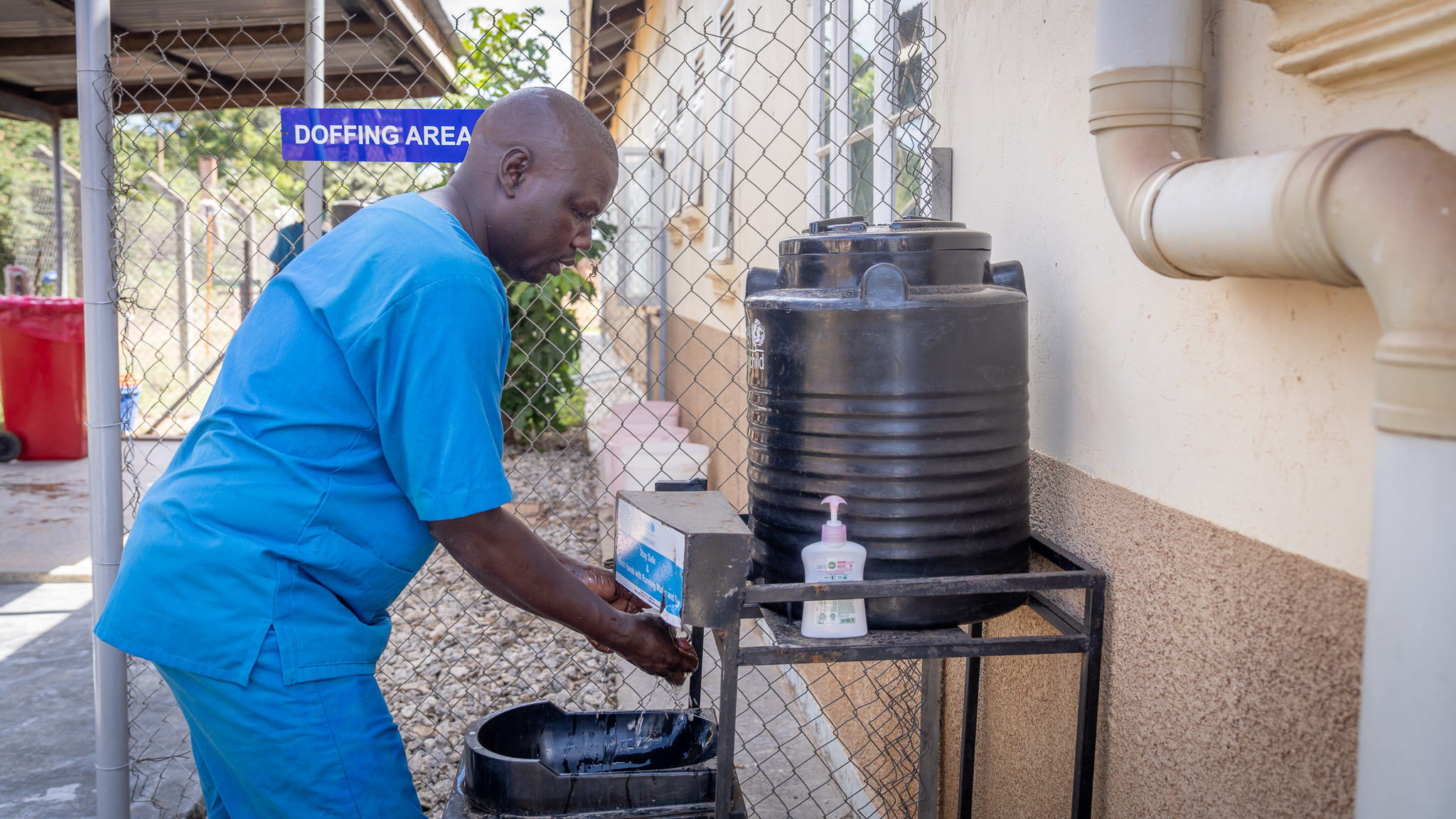
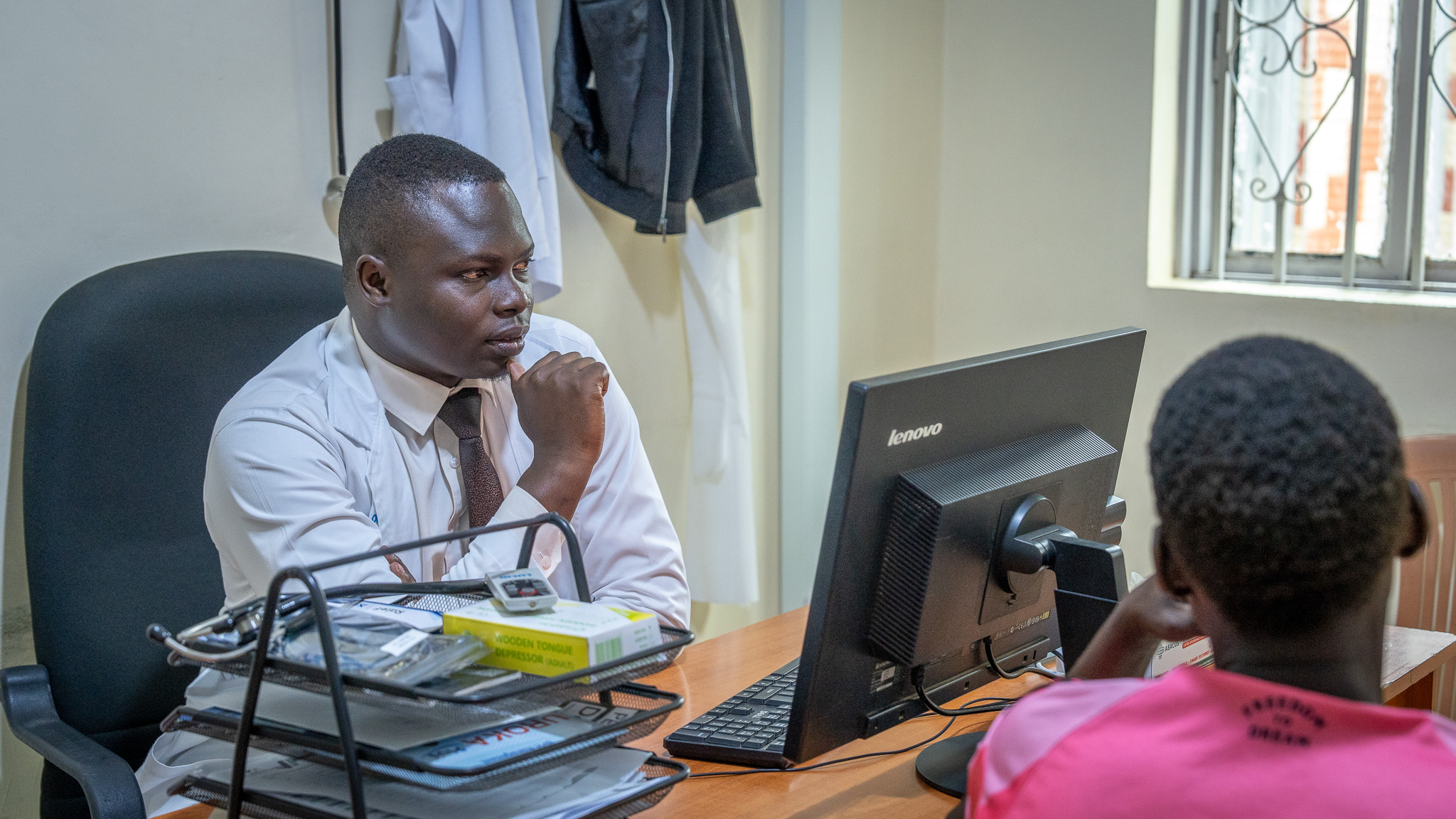
 WHO response to Ebola disease caused by Bundibugyo virus, Uganda, 25 June 2026. Members of Uganda’s Emergency Medical Team attend to contacts of Ebola cases at Oil Health Centre 4’s 12-bed isolation unit in Arua, northern Uganda, 25 June 2026. ©WHO/Natalie Ridgard
- WHO response to Ebola disease caused by Bundibugyo virus, Uganda, 25 June 2026. Members of Uganda’s Emergency Medical Team attend to contacts of Ebola cases at Oil Health Centre 4’s 12-bed isolation unit in Arua, northern Uganda, 25 June 2026. ©WHO/Natalie Ridgard
- WHO response to Ebola disease caused by Bundibugyo virus, Uganda, 25 June 2026. Members of Uganda’s Emergency Medical Team attend to contacts of Ebola cases at Oil Health Centre 4’s 12-bed isolation unit in Arua, northern Uganda, 25 June 2026. © WHO / Natalie Ridgard
- WHO response to Ebola disease caused by Bundibugyo virus, Uganda, 25 June 2026. Members of Uganda’s Emergency Medical Team attend to contacts of Ebola cases at Oil Health Centre 4’s 12-bed isolation unit in Arua, northern Uganda, 25 June 2026. ©WHO/Natalie Ridgard
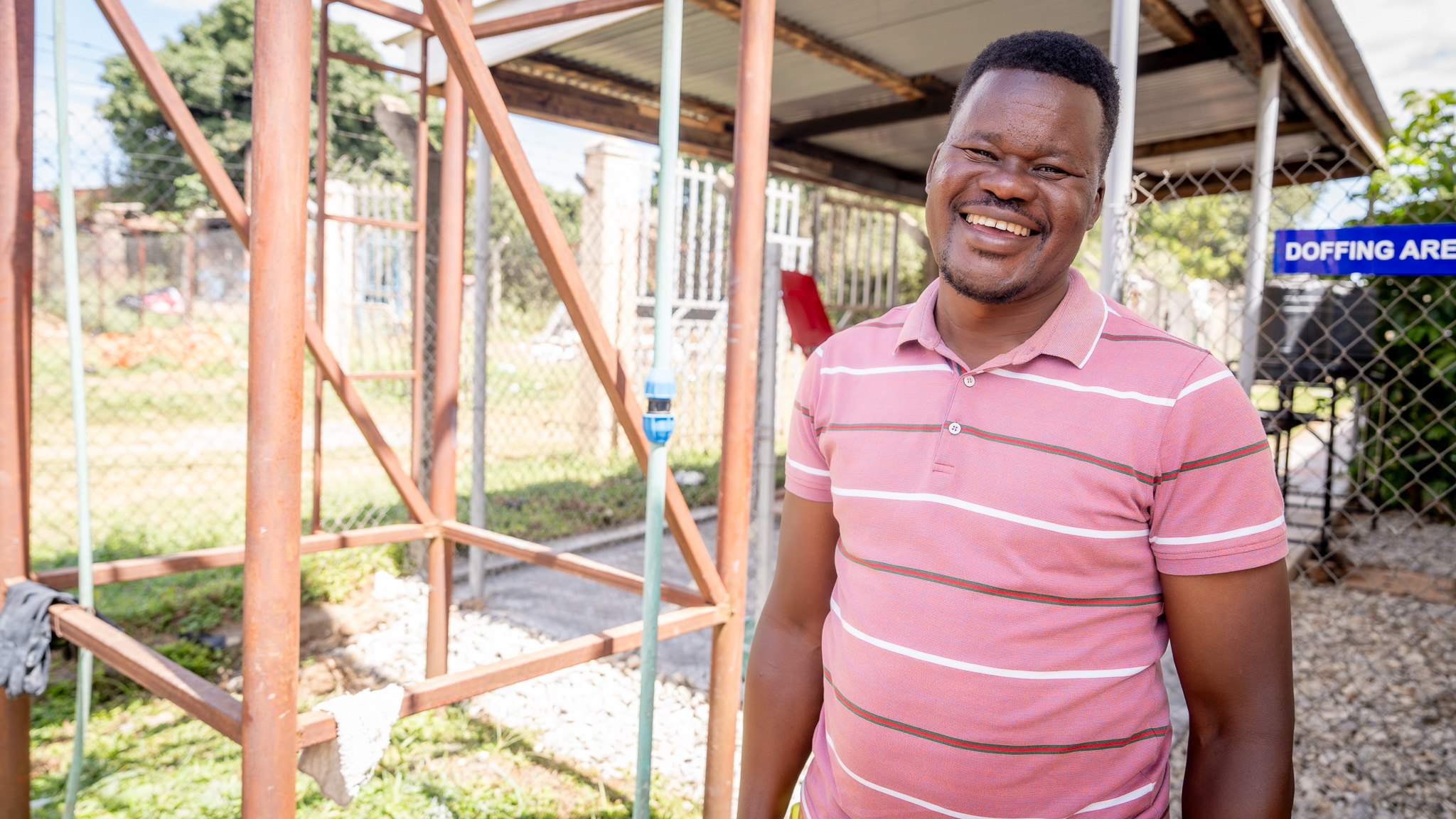
- WHO response to Ebola disease caused by Bundibugyo virus, Uganda, 25 June 2026. Novafinia clinic, Arua district, Uganda, 25 June 2026. © WHO / Natalie Ridgard
- WHO response to Ebola disease caused by Bundibugyo virus, Uganda, 25 June 2026. Novafinia clinic, Arua district, Uganda, 25 June 2026. © WHO / Natalie Ridgard
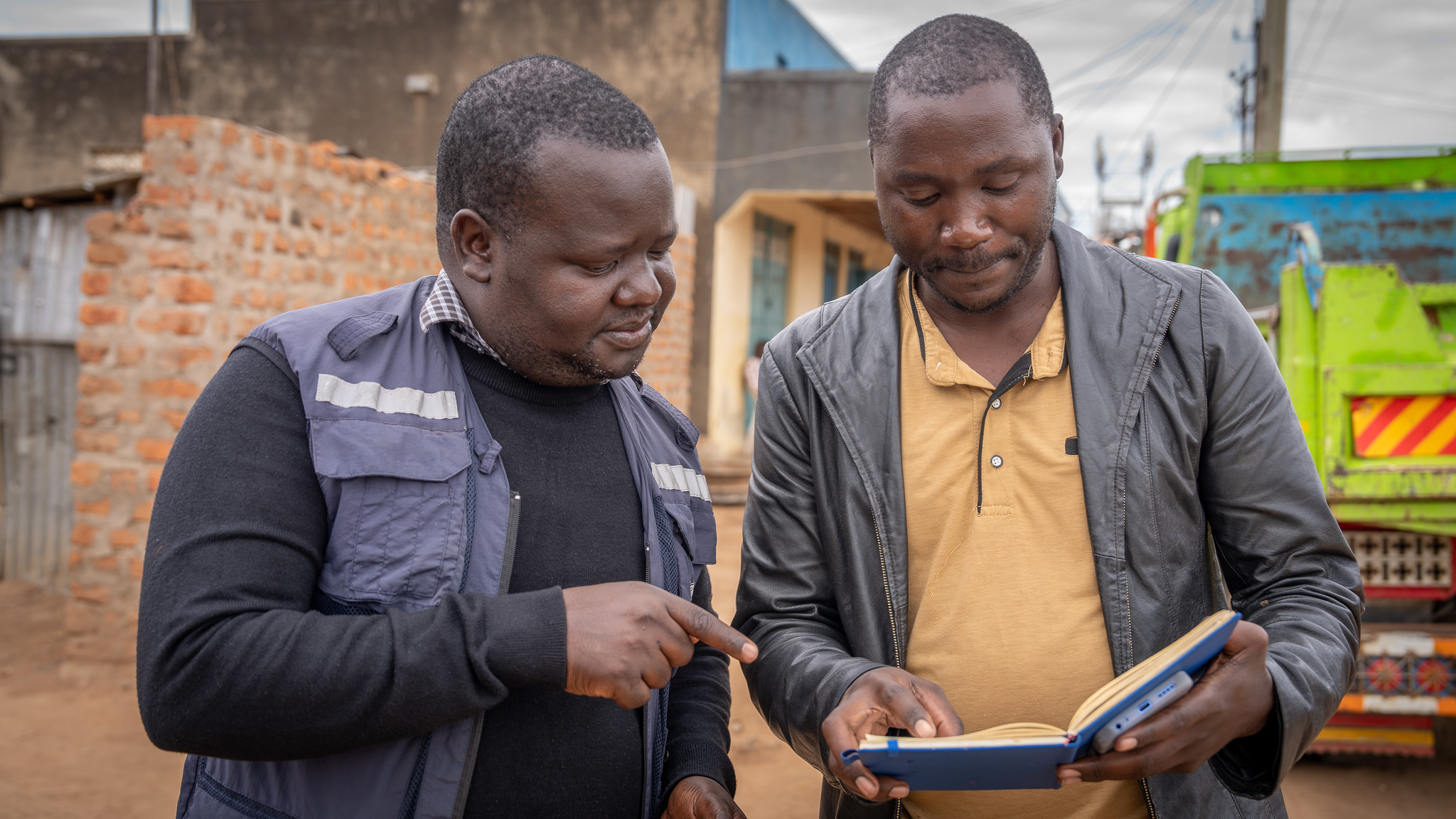
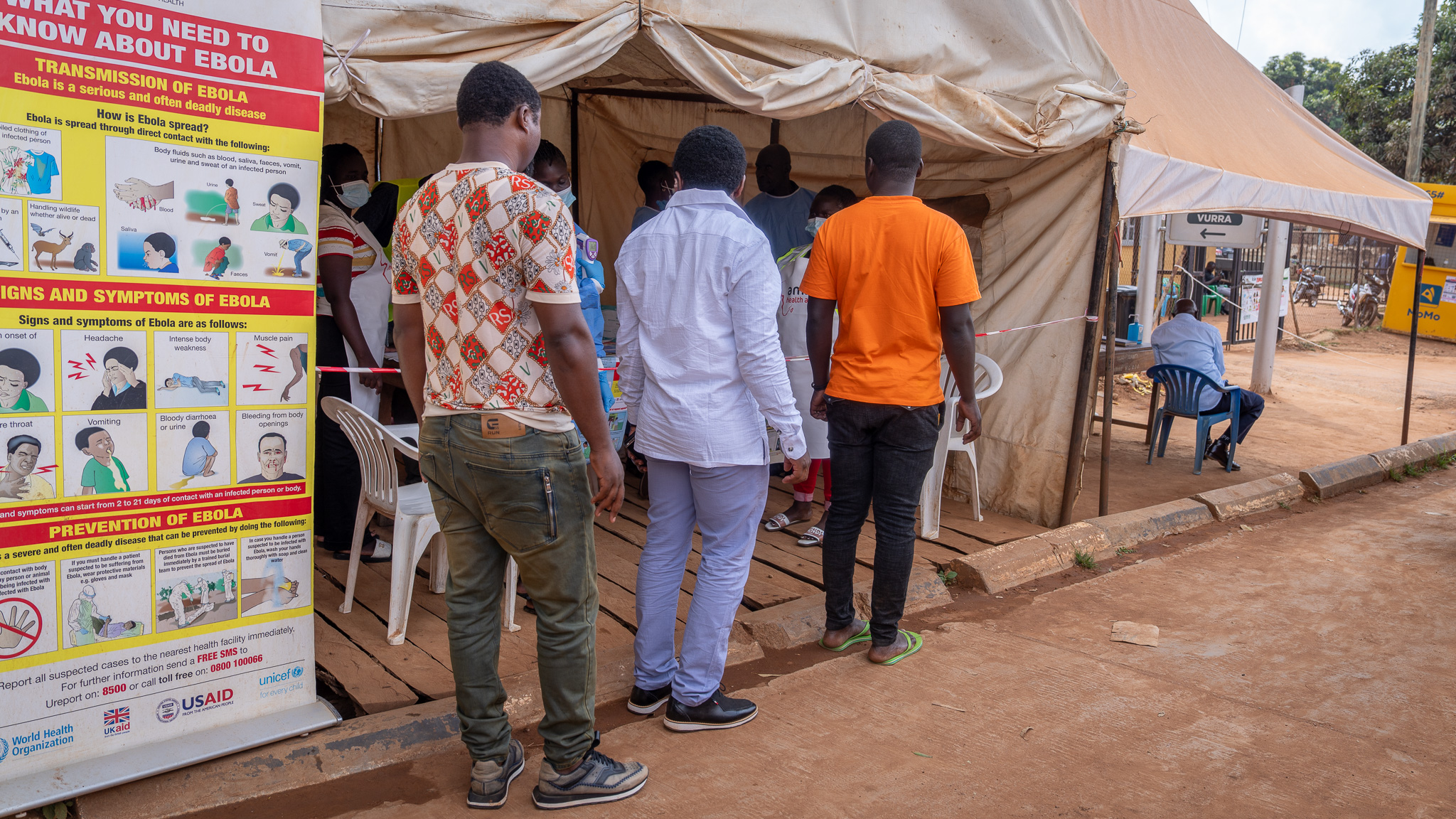
- WHO response to Ebola disease caused by Bundibugyo virus, Uganda, June 2026. Point of entry screening at Vurra border crossing between Uganda and the Democratic Republic of the Congo, Arua District, Uganda, 24 June 2026. © WHO / Natalie Ridgard
One of the central arguments of “Outbreak Culture” is that outbreaks expose the underlying strengths and vulnerabilities of the systems through which we understand health crises. They reveal who is trusted, whose expertise is valued, which communities are heard, and how institutions communicate uncertainty.
That means journalists should pay attention not only to epidemiological indicators but also to narratives shaping public understanding of disease.
How is risk being framed? Who is defining the terms of the conversation? What assumptions are shaping public understanding? Which communities are being portrayed as vulnerable, responsible, resilient, or threatening?
These questions can tell us as much about an outbreak as the case counts themselves because they reveal how information is interpreted, communicated and acted upon.
The current Ebola outbreak highlights all of these dimensions, but the surrounding culture determines its trajectory.
It asks journalists to examine not only the pathogen, but also the communication systems surrounding it: who has access to information, whose voices shape public understanding and how political decisions influence both public health and public perception.
Expect data gaps and report them
One of the defining features of this outbreak has been uncertainty.
WHO officials have acknowledged that the full scope of transmission remains unclear. Contact tracing rates have remained low in some affected regions, and ongoing conflict in eastern DRC has complicated surveillance efforts. Health officials have warned that the outbreak may have circulated undetected for weeks before confirmation.
Rather than treating data gaps as reporting obstacles, consider examining why they exist.
Are surveillance systems underfunded? Has conflict displaced health workers? Are communities reluctant to engage with responders because of previous experiences with government or international agencies?
The absence of information can often reveal as much about an outbreak as the information available.
Funding is a health story
The effects of funding instability are already visible. Frontline Ebola responders in eastern DRC recently went on strike after weeks without pay, disrupting surveillance, patient care, and safe burial operations. WHO officials have also acknowledged shortages of protective equipment and overwhelmed treatment centers as the outbreak continues to expand. These circumstances are evidence of how political and financial decisions shape outbreak response long before they appear in budget hearings.
Questions to consider:
- What response capacities existed before this outbreak?
- Have funding reductions affected preparedness efforts?
- Which organizations remain operational on the ground?
- What happens when outbreak response depends increasingly on emergency mobilization rather than sustained investment?
These questions help advance coverage beyond crisis narratives and toward accountability reporting.
Beware the familiar narrative arc
Ebola reporting has historically been vulnerable to predictable framing.
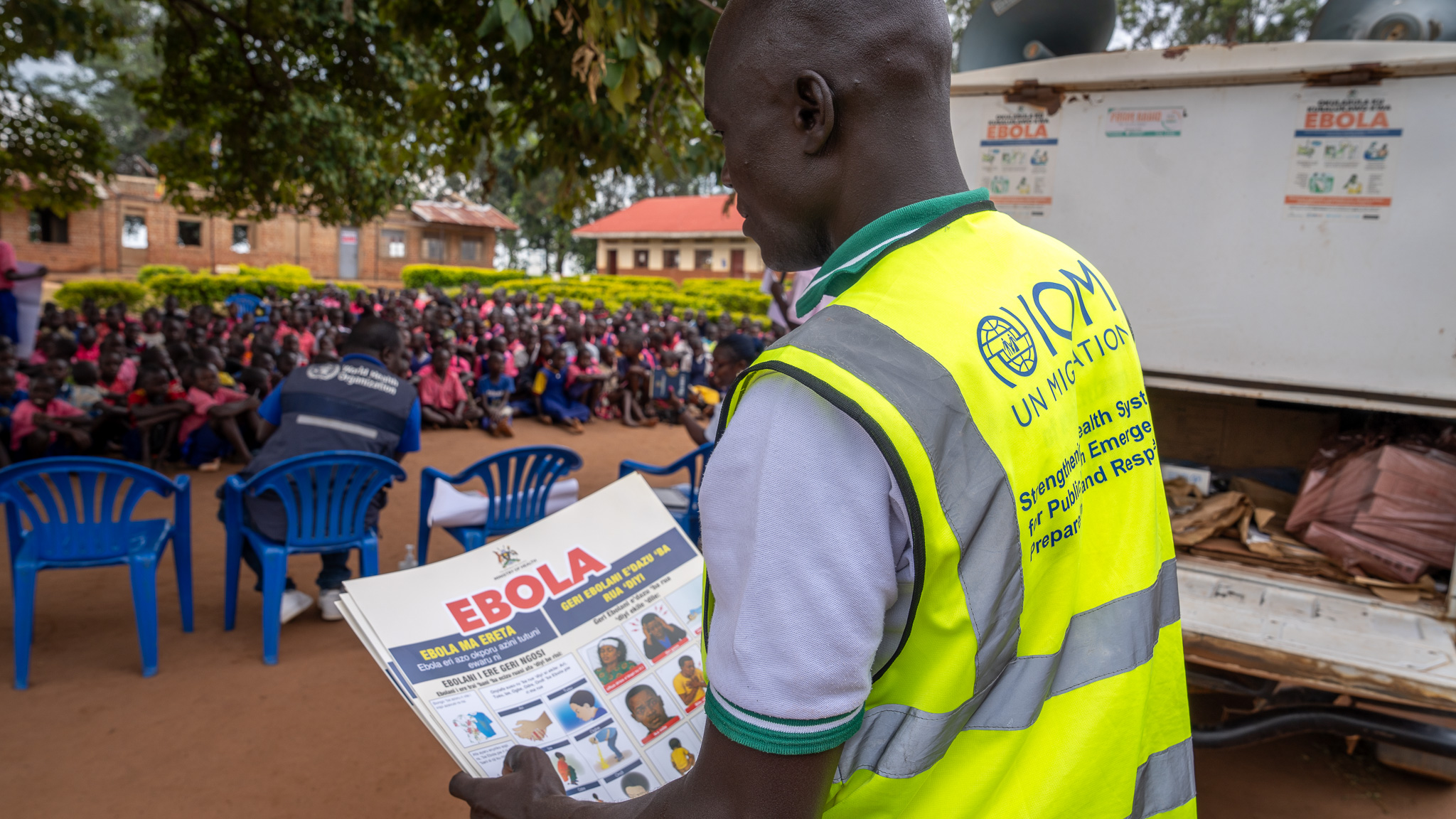
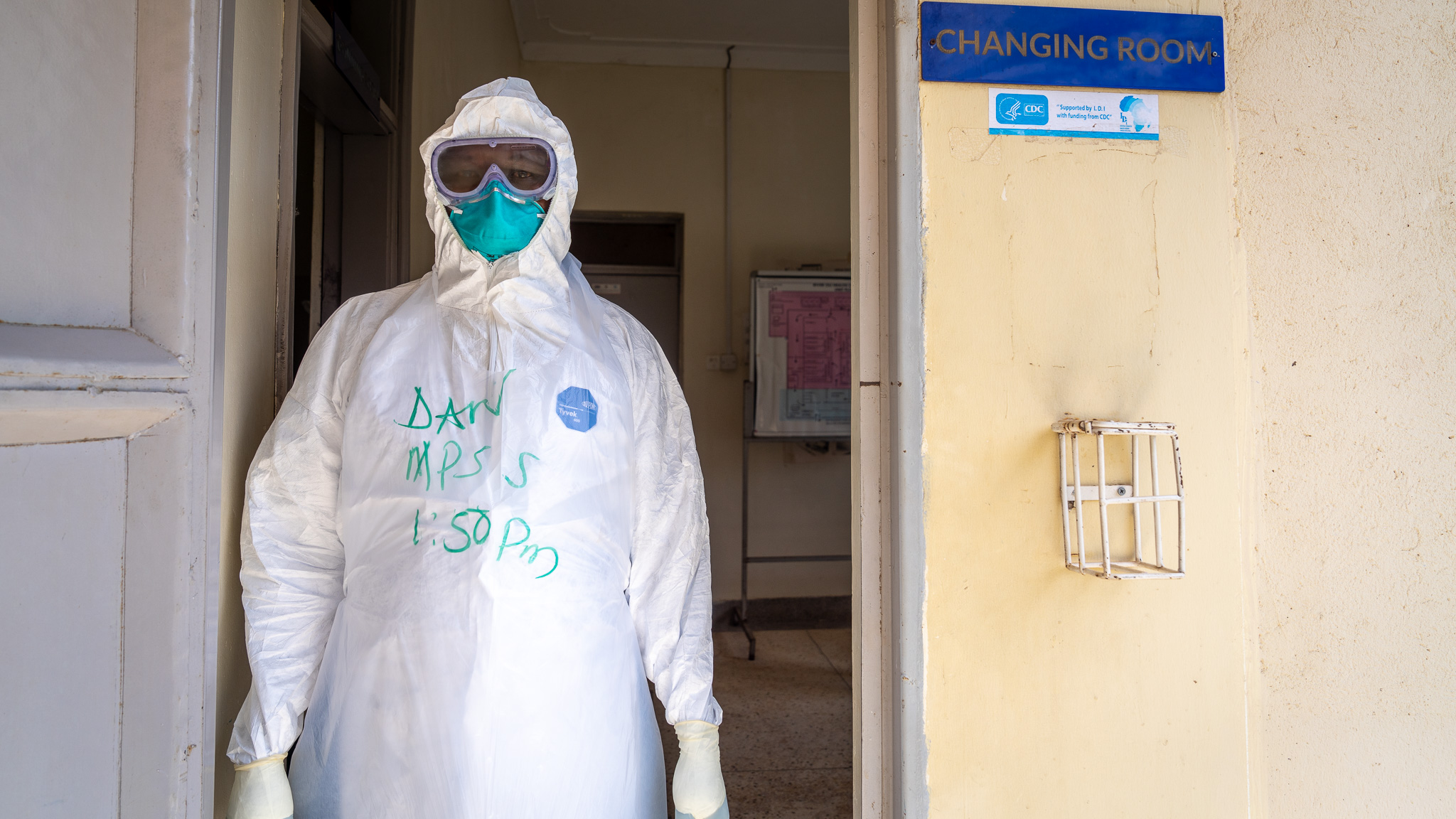
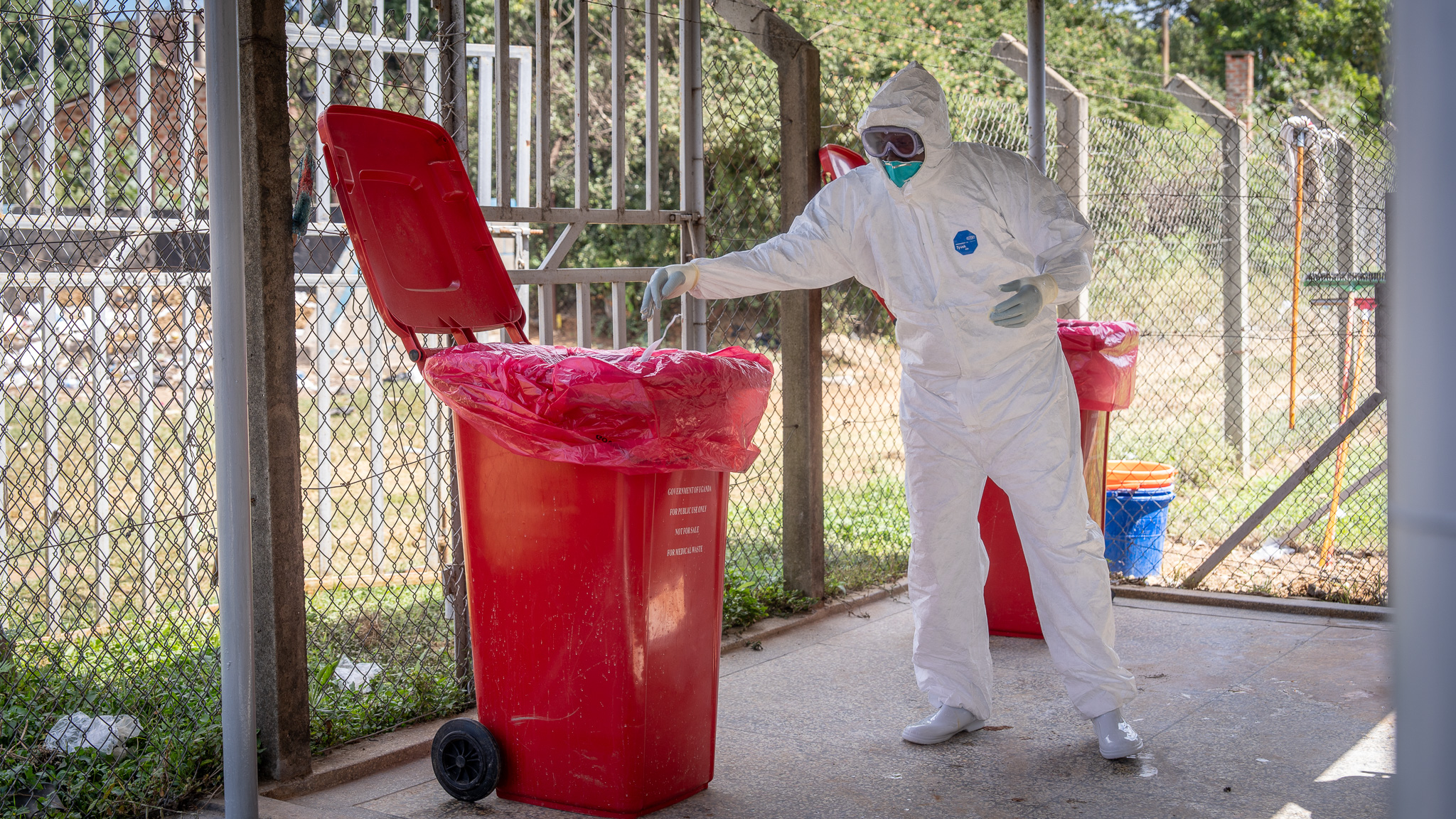
Stories often focus on fear, exoticization or worst-case scenarios. Images of protective suits, isolation wards and emergency treatment centers can quickly dominate coverage. But communities are also active participants in surveillance, caregiving, public education and response efforts.
Health journalists should resist narratives that portray affected populations solely as victims or sources of risk. Instead, seek local expertise by interviewing community health workers, local journalists, researchers and residents. Explore how communities are navigating both the disease and the response.
Some of the most meaningful outbreak reporting often comes from understanding how people adapt under pressure.
Misinformation is not a side story
During the 2014 Ebola outbreak – and, more recently, COVID-19 – misinformation became a defining feature of the public health environment.
That reality has not disappeared.
As this Ebola outbreak evolves, expect misinformation to emerge around transmission, vaccines, treatments, travel restrictions and international response efforts. Social media platforms continue to accelerate the spread of both accurate and inaccurate information.
Reporting should therefore examine not only what misinformation is circulating, but why certain communities may find alternative narratives more credible than official messages.
Global health security is local journalism
For many audiences, an Ebola outbreak in eastern DRC can feel geographically distant.
Yet infectious disease reporting increasingly demonstrates that local and global health are inseparable.
Cross-border transmission has already been documented in Uganda. International health authorities continue to monitor global risk. Health care workers, aid personnel, travelers, and migration patterns all connect local events to international consequences.
At the same time, journalists should avoid framing global health stories as a domestic threat. Doing so can inadvertently reinforce fear-based coverage and obscure the realities facing affected communities.
The challenge for journalists is to help audiences understand interconnectedness without resorting to alarmism.
The current Ebola outbreak is undoubtedly a public health emergency, but it is also a test of what remains of the global health infrastructure built over decades — and in some respects strengthened after COVID-19.
Can outbreak response systems function amid political polarization and shrinking resources? How resilient are surveillance networks when funding becomes uncertain? What happens when public trust in institutions is already fragile before a crisis begins?
These are questions that extend far beyond Ebola.
This outbreak offers an opportunity to move beyond the familiar cycle of case counts and containment updates. It is a chance to examine how societies respond when infectious disease intersects with political uncertainty, institutional retrenchment, and competing public priorities. That, ultimately, is what outbreak culture is about.
Outbreaks are shaped by the strength of institutions, the resilience of communities, the flow of information, and the stories journalists choose to tell. This Ebola outbreak offers an opportunity to assess whether the post-COVID commitments to preparedness, international cooperation, and evidence-based communication can withstand a moment of political retreat. That’s the story worth following.