
Are my sources at risk? Troubleshooting the ethics and law of source privacy, protection and security
By Lynn Arditi/ Rhode Island Foundation Fellow
At a time when social media and internet archives can follow people throughout their lives, health journalists are often caught between their responsibility for transparency in reporting and their responsibility to protect vulnerable sources.
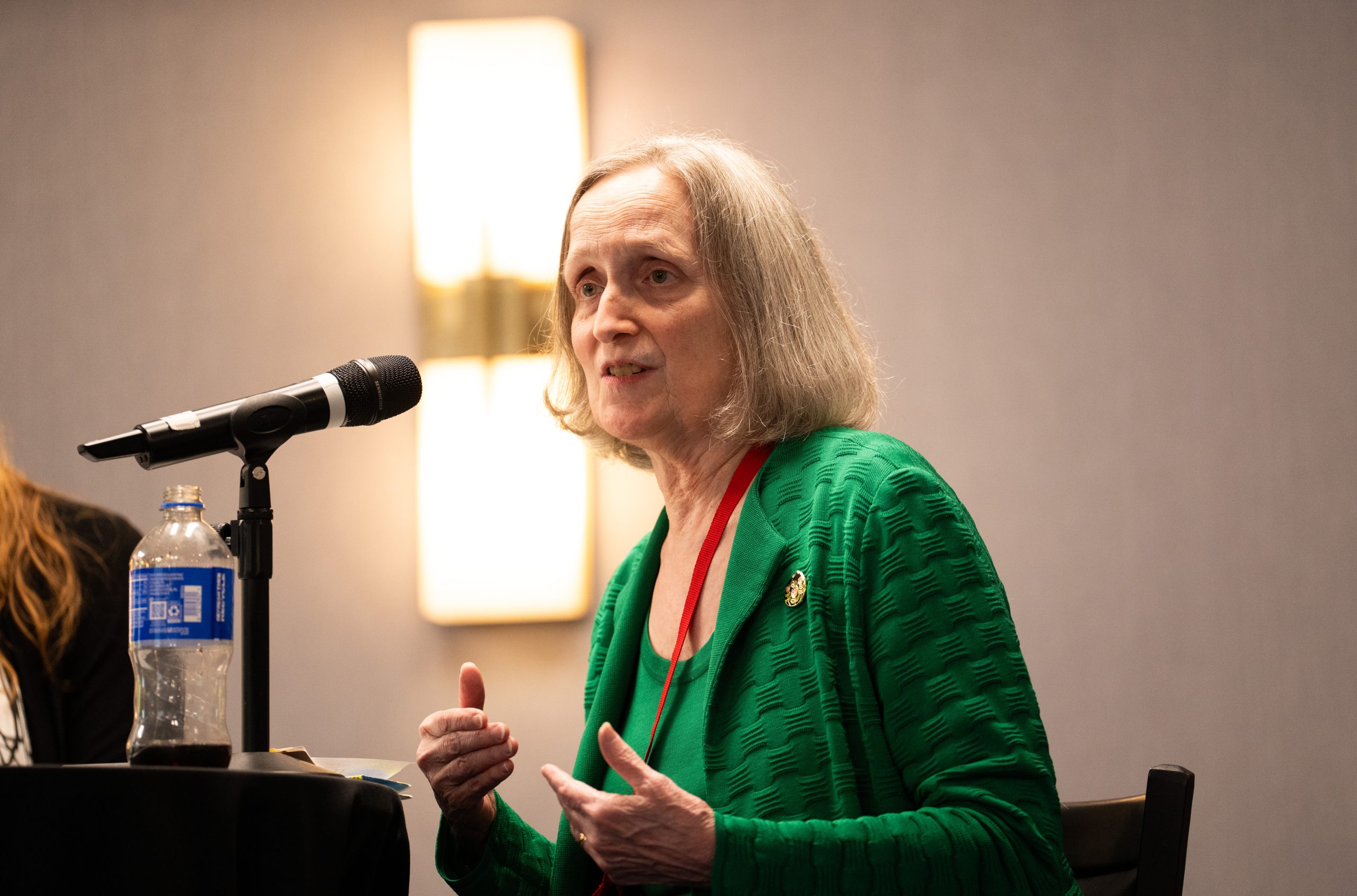
That challenge was central to a panel discussion at HJ26, “Are my sources at risk? Troubleshooting the ethics and law of source privacy, protection and security.”
Patients, doctors and healthcare professionals have become more wary of speaking with reporters, said panelist April Dembosky, health correspondent at KQED Public Radio. And even healthcare professionals with whom reporters have built trusting relationships, she said, may try to make their participation in a story conditional on maintaining their patients’ anonymity.
But granting sources anonymity also carries risks.
“At a time when so many in the public are very skeptical of the stories we tell, if we don’t include names, that is one more thing that makes them suspicious about the veracity of what you’re reporting,” said panelist Jane E. Kirtley, a professor of media ethics and law at the University of Minnesota. “The key is to try to balance the degree of harm that you think is likely to flow from this [disclosure], as compared to the public interest of including the name — and that could include your own credibility as a news organization.’’
What would you do if someone named in a news report as being arrested for a crime asks years later to have his/her/their name removed from the story because it was preventing them from getting a job? (See The Boston Globe policy, the Fresh Start Initiative.)
Highlights from the pane included:
- Privacy law: There generally is no “right of privacy” in the U.S. that would compel a news organization to remove a name from a published story. An exception is California’s “right to erasure” for minors.
- Practical obscurity: The concept of “practical obscurity” suggests that information, even if publicly available, might be expected to be private if it’s difficult to find in the public record. But digitization has made more information easily accessible, challenging the traditional understanding of privacy.
- Promise of anonymity: Journalists need to be sure they have authority from their news organization to promise anonymity to sources. Otherwise, they could face sticky situations if editors override their promises, potentially leading to legal claims for breach of contract.
- Removing or altering stories: News organizations have the right to maintain their electronic work and editorial integrity. The removal or alteration of stories could undermine these rights and set a precedent (legal and ethical) for future demands and accusations of inconsistency.
- Delisting stories: Digital information is difficult to remove. A news organization can request, for example, that Google delist the information from search results, but it’s technically tricky and requires continuous effort to ensure the information remains delisted.
- Informed consent: Some journalists are engaging in more detailed walk-through discussions, including off-the-record chats and giving sources time to consider the implications of participating in a news story before an interview is recorded, especially among vulnerable populations.
Lynn Arditi is a freelance health writer and radio reporter based in Rhode Island.