How to uncover great medical stories in court
By Zach Boblitt/Kansas Health Journalism Fellow
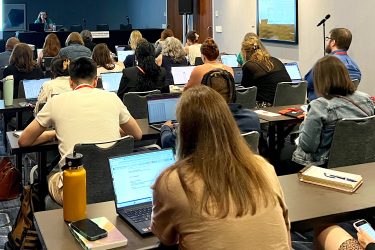
Three journalism pros gave tips for finding a treasure trove of health care stories within the U.S. court system during a Thursday morning Health Journalism 2026 session.
The reporters walked through the cumbersome Public Access to Court Electronic Records (PACER) — the bane of many court reporters’ existence because of technological glitches and per-page fees. The presenters also recommended sifting through state medical boards for disciplinary actions against doctors.
The latter of which has produced some interesting results, including an anesthesiologist in his 70s getting into an altercation with a younger co-worker. The California doctor then allegedly paid someone to fill in for him in a mandatory remediation program.
He enlisted “a much younger man to pose as him in Zoom meetings,” independent journalist and moderator Randy Dotinga said at the meeting. “Complete with hair and a mustache dyed white.”
But the anesthesiologist imposter was caught because he forgot to do one thing… dye his black eyebrows.
Dotinga said the story received more than 670 likes on Medscape’s website and he’s working on a follow-up once the medical board case gets completed. He wants to post the Zoom video of the doctor stand-in.

Keeping PACE-R
Navigating PACER baffles even veteran reporters, but court query pro Seamus Hughes offered advice to weave through the complex system.
“I want audible gasps if this works,” Hughes said as he placed “u*.com” in PACER’s advanced case search. “Ok, I now have search warrants for everyone’s emails in the country.”
Audible gasps ensued. He later clarified that it depends on the district, but this trick generally pulls up all email addresses under an FBI search warrant.
Old-school journalism
The presenters focused on technology — including AI — used to find court documents at the packed morning session, but POLITICO health care reporter Alice Miranda Ollstein also emphasized the importance of gumshoe journalism.
She recommended maintaining a relationship with sources even when you aren’t working on a specific story where you need a comment. Touching base now and again keeps you on their mind when something does break.
When the fifth circuit court’s ruling rolled back access to the abortion pill mifepristone, she had sources coming to her. This included some of the lawyers on the case, who were texting her as the ruling dropped. The sources that Miranda Ollstein built over years of working at POLITICO helped her to quickly get that story live.
All three reporters told attendees that an old-school approach still works. Hughes goes to the courthouse to look up files without racking up fees, Miranda Ollstein connects with sources regularly, and Dotinga surveys the attendees at big cases to get interesting quotes and background.
The message was clear: Boots-on-the-ground journalism cannot be replaced.
Zach Boblitt is the statehouse bureau chief at Kansas Public Radio based in Topeka, Kan.