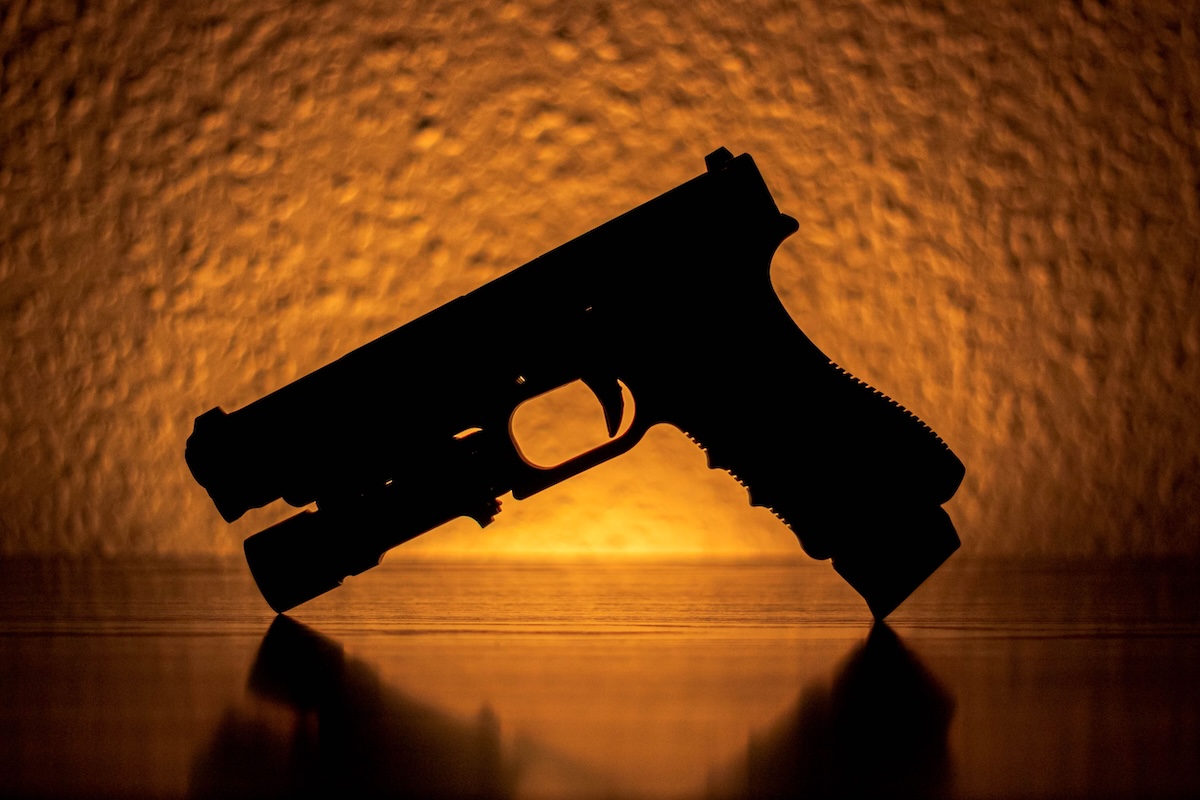
Over the past decade, ghost guns have become a widely popular firearm of choice.
They’re called “ghost guns” because they lack serial numbers and are built from kits or 3D-printed designs. That means they’re nearly impossible to trace, making them especially appealing to people barred from owning guns.
The ATF calls ghost guns “privately made firearms” and defines them as guns that have been completed, assembled or otherwise made by someone who isn’t a licensed weapons maker. The agency says ghost guns are difficult to track and link to crimes.
From 2016 through 2021, the ATF reported 45,240 suspected ghost guns were recovered by law enforcement from crime scenes, including in 692 homicides or attempted homicides.
Ghost guns have been used in several mass shootings and high-profile murders, including the 2024 killing of UnitedHealthcare CEO Brian Thompson in Manhattan and the 2019 fatal shooting of two high schoolers in the Los Angeles area.
These firearms are especially popular in states with strict gun laws. California law enforcement officials reported that ghost guns accounted for 25 to 50% of firearms recovered at crime scenes in 18 months during 2020-2021. The vast majority of the guns’ owners were legally prohibited from having firearms.
The Justice Department reported in 2021 that law enforcement agencies had recovered 19,300 homemade guns. That’s about five times the number confiscated or found at crime scenes in 2018.
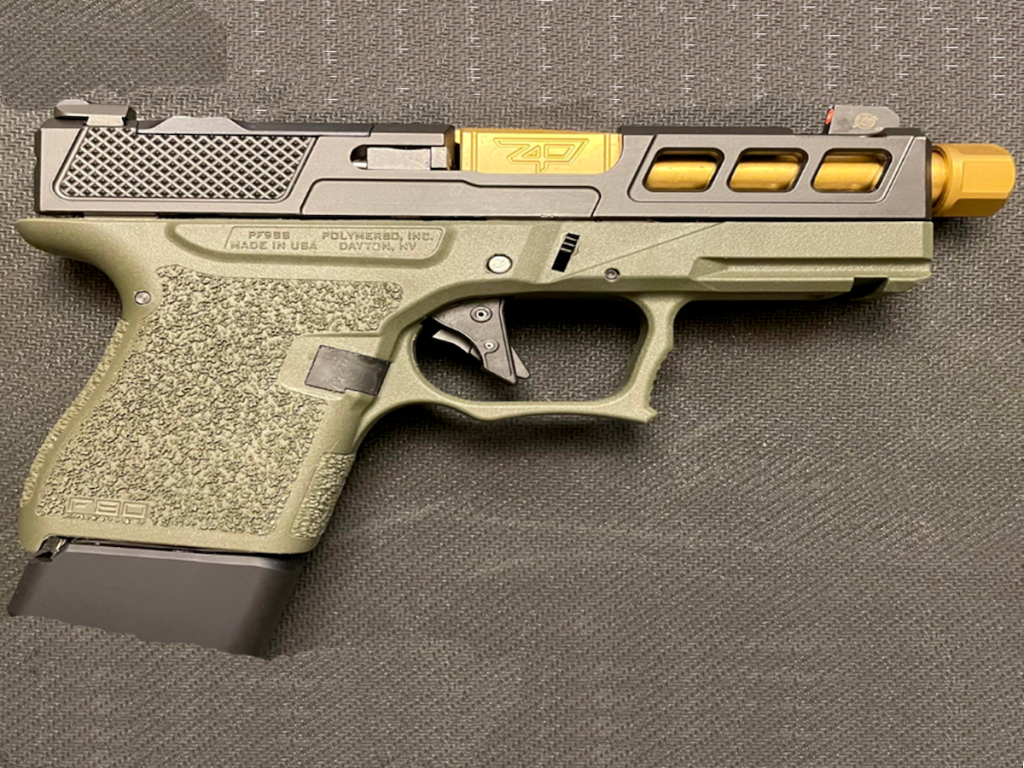
What is a ghost gun?
Kits to make a ghost gun at home are sold by gun dealers and online vendors.
The key part of a firearm is the “lower receiver,” which holds the parts that enable it to be fired. Ghost guns are made with receivers that are not technically finished and require some final steps to make it a functional gun. Assembling these firearms doesn’t require any technical expertise.
Take it from an ATF special agent who once told The Trace: “If you can put Ikea furniture together, you can make one of these.”
Ghost guns can also be 3D printed. Blueprints are published online or can be purchased. The first 3D-printed pistol to function successfully is The Liberator. That gun was created in 2013 by self-described anarchist and ghost gun guru Cody Wilson.
Until recently, ghost guns were technically legal. The 1968 Gun Control Act requires gunmakers to obtain a license to make guns and stamp a serial number on those weapons. But the law had an exemption for people who make their own guns for personal use.
In 2022, the Biden administration created a rule that allows the ATF to regulate the sale of kits and parts used to assemble weapons. After facing years of legal challenges, the Supreme Court upheld the rule last year in a 7-2 decision.
In the majority opinion, Justice Neil Gorsuch wrote that federal law allows the ATF to regulate both fully functioning guns and weapons designed to function like firearms or that can be easily converted into them.
The decision was a blow to manufacturers of ghost gun kits and a victory for gun safety advocates.
Public health problem
Ghost guns aren’t just a law enforcement problem; they’re also a public health threat, experts say.
A recent study found that ghost guns are tied to rising suicide rates. Researchers at New York University analyzed California’s gun recoveries and data from the CDC and The Trace’s Gun Violence Data Hub.
They determined that for every 20 ghost guns recovered per 100,000 people, the firearm suicide rate increased by 6.4% across the state.
The authors told The Trace their study is the first empirical evidence linking ghost gun recovery rates to firearm suicide rates. Their findings help to start understanding the health risks associated with homemade guns, they said.
As the study’s lead author told The Trace: “Ghost guns are not just a law enforcement problem, they are a public health problem.”
Resources
The Trace extensively covers all things ghost guns. Check out their coverage of the topic.
Several gun safety advocacy organizations put out handy information on ghost guns:
- Center for American Progress: FAQ on ghost guns.
- Brady: key takeaways on ghost guns.
- The Violence Project maintains a database on mass shootings and the weapons used during such attacks. While their work doesn’t explicitly track “ghost guns,” their firearm database does have information on guns “assembled from parts.”