Tag Archives: Aging

Reclassification impacts access to health care for millions of rural older adults

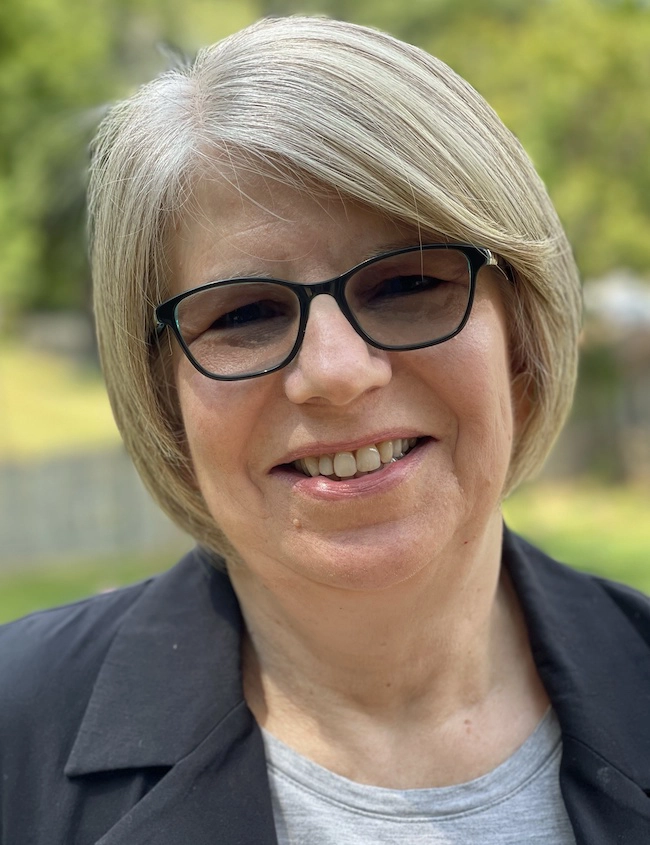
Liz Seegert

About Liz Seegert

Liz Seegert (@lseegert), AHCJ’s topic leader on aging, is writing blog posts, editing tip sheets and articles and gathering resources to help our members cover the many issues around our aging society. If you have questions or suggestions for future resources on the topic, please send them to liz@healthjournalism.org.

Telemedicine equipment

Photo by Kevin Souza via Flickr

Back in January, the FCC announced $400 million in funding for creating and expanding rural broadband networks to support telemedicine in medically underserved regions.

Their HealthCare Connect program links urban medical centers and rural clinics, providing real-time consults with immediate access to a patient’s electronic medical records. Since adults 65 and older comprise roughly 14.4 percent of rural residents, this would appear to be an ideal use of technology to contain costs, facilitate care and improve preventive services.

However, last month, the U.S. Office of Management and Budget reclassified Metropolitan Statistical area delineations and moving 97 counties from rural to metropolitan designation. That eliminates Medicare reimbursement for telemedicine services in those areas. Yet just the day before, these same seniors were eligible, avoiding long-distance travel for consults or even basic health check ups. Continue reading

Caring for older adults: What physicians, patients should question and what reporters should look at

Liz Seegert

About Liz Seegert

Liz Seegert (@lseegert), AHCJ’s topic leader on aging, is writing blog posts, editing tip sheets and articles and gathering resources to help our members cover the many issues around our aging society. If you have questions or suggestions for future resources on the topic, please send them to liz@healthjournalism.org.

Hospital patient

Photo by dyniss via Flickr

The American Geriatrics Society (AGS) today published the results of its examination of care to determine the top five things patients and physicians should question when caring for older adults. 

  • Recommending percutaneous feeding tubes in patients with advanced dementia; instead of offering oral-assisted feeding.
  • Using antipsychotics as first choice to treat behavioral and psychological symptoms of dementia.
  • Using medications to achieve hemoglobin 7.5 percent in most adults age 65 and older; moderate control is generally better.
  • Use of  benzodiazepines or other sedative-hypnotics in older adults as first choice for insomnia, agitation, or delirium.
  • Use of antimicrobials to treat bacteriuria in older adults unless specific urinary tract symptoms are present.

AGS partnered with the American Board of Internal Medicine Foundation’s “Choosing Wisely” campaign to evaluate information from ABIM societies and AGS members. They looked at whether physician-ordered tests and procedures were sufficiently evidence-based, whether the potential health benefits were worth any risks they might pose, if they were redundant or medically necessary. The goal of the campaign is to pinpoint and eliminate unnecessary health spending. Continue reading

Aging eyes deserve evidence-based reporting, research

Liz Seegert

About Liz Seegert

Liz Seegert (@lseegert), AHCJ’s topic leader on aging, is writing blog posts, editing tip sheets and articles and gathering resources to help our members cover the many issues around our aging society. If you have questions or suggestions for future resources on the topic, please send them to liz@healthjournalism.org.

Aging eyes

Photo by 8 Eyes Photography via Flickr

Sitting in the waiting room of my ophthalmologist’s office was an elderly man, who I later learned was 100 years old, perhaps 102, no one was sure.

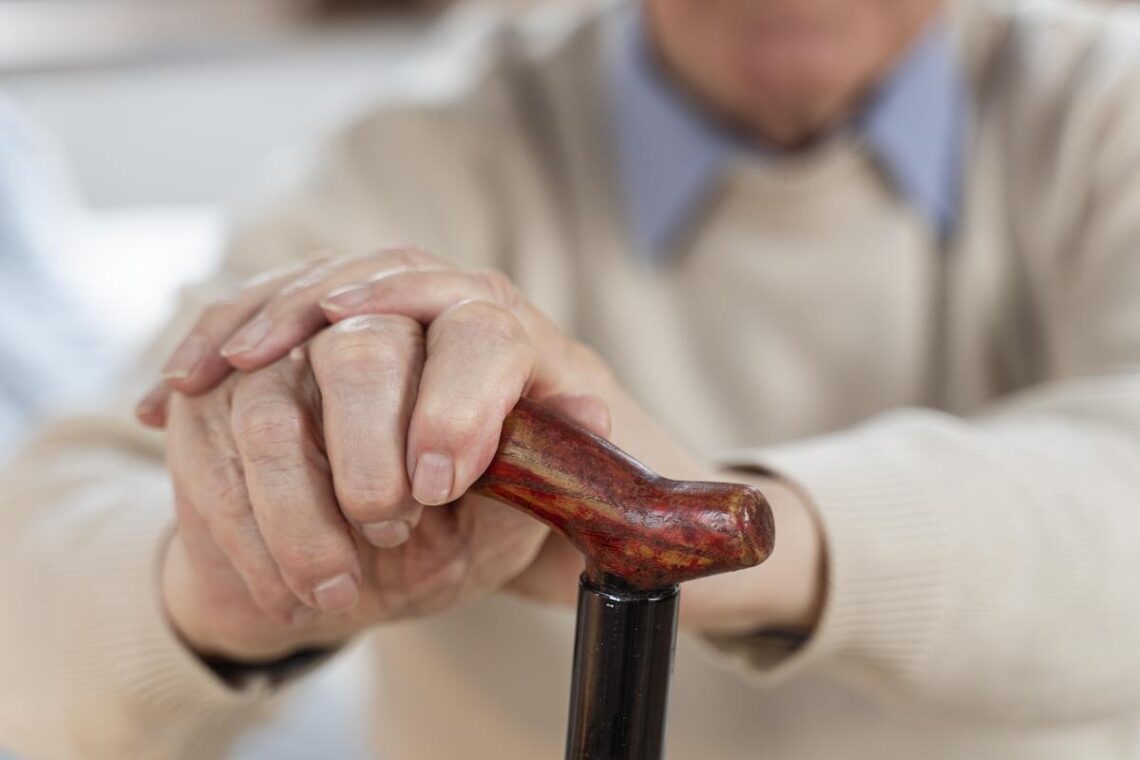
He could walk with the help of his aide and a sturdy cane and his cognition seemed good. My doctor later told me that this gentleman’s eyesight was as good or better than someone 20 or 25 years younger.

It got me thinking about what happens to our eyes as we age.

Why do some people maintain good vision well into their 90s while others struggle with serious visual decline at a younger age? Loss of vision significantly impacts a senior’s independence, which in turn, may lead to depression. Continue reading

Not all news about the aging brain is bad

Liz Seegert

About Liz Seegert

Liz Seegert (@lseegert), AHCJ’s topic leader on aging, is writing blog posts, editing tip sheets and articles and gathering resources to help our members cover the many issues around our aging society. If you have questions or suggestions for future resources on the topic, please send them to liz@healthjournalism.org.

Brain

Photo by biologycorner via Flickr

We spend a lot of time reporting on studies about dementia, Alzheimers, loss of cognitive function, and other issues related to the aging brain. A report last week by NPR’s Michelle Trudeau is a good reminder to take a step back and remember to look for some positive news too.

Trudeau describes a study by a Northwestern University researcher who investigated the memory and recall ability of people age 80 and over. It turns out that some of the participating seniors had memory skills similar to those of 50-year-olds. This uncommon group of “superagers” underwent MRIs for brain analysis. Neuroscientist Emily Rogalski found that their brain cortices, the part responsible for thinking and memory, resembled those of people 20 or 30 years younger. Continue reading

Providing context for dementia studies is important

Liz Seegert

About Liz Seegert

Liz Seegert (@lseegert), AHCJ’s topic leader on aging, is writing blog posts, editing tip sheets and articles and gathering resources to help our members cover the many issues around our aging society. If you have questions or suggestions for future resources on the topic, please send them to liz@healthjournalism.org.

Unless you have just emerged from winter hibernation it’s hard to miss the increasingly grim projections about of Alzheimer’s disease and dementia. The latest comes from a RAND study, published in the April 4 New England Journal of Medicine. Researchers predict that the costs of caring for those with dementia will double by 2040, as more baby boomers age into the target population.  A team led by Michael Hurd of the Center for the Study of Aging, at RAND, concluded “our estimate places dementia among the diseases that are the most costly to society.”

Researchers estimated that some 4.1 million older adults will develop dementia by 2040; a lower figure than that of the Alzheimer’s Association, who included people with less severe cognitive problems in their forecast. Data from two major studies, the Health and Retirement Study (HRS) a nationally representative longitudinal survey of adults 51+, and Aging, Demographics, and Memory Study (ADAMS), a nationally representative study of dementia, were analyzed. Co-morbid conditions such as diabetes were controlled for, providing a truer portrait of dementia-related costs. Continue reading

2013 Alzheimer’s disease facts and figures: Report predicts sharp rise in number affected

Liz Seegert

About Liz Seegert

Liz Seegert (@lseegert), AHCJ’s topic leader on aging, is writing blog posts, editing tip sheets and articles and gathering resources to help our members cover the many issues around our aging society. If you have questions or suggestions for future resources on the topic, please send them to liz@healthjournalism.org.

Incidence and prevalence of Alzheimer’s and other dementias are projected to surge, according to the Alzheimer’s Association report “2013 Alzheimer’s Disease Facts and Figures.”

Currently, Alzheimer’s affects one in every nine people age 65 or older – roughly 5 million people, although under-diagnosis means that as many as half don’t know it. Prevalence increases with age – one-third to one-half of those over age 85 have Alzheimer’s.

As more baby boomers become seniors, incidence is expected to rapidly increase. Risk doubles for every five years in age after age 65, according to the National Institutes of Health. Twice as many people have Alzheimer’s today as in 1980 and the rate is expected to double by 2050 to an estimated 16 million adults. Alzheimer’s is the sixth leading cause of death in the United States among all adults, and is fifth on the list for those over 65. According to the CDC, more than 83,000 people died of Alzheimer’s last year – or 27 per 100,000. Continue reading

Technology, new apps extend caregiving networks

Liz Seegert

About Liz Seegert

Liz Seegert (@lseegert), AHCJ’s topic leader on aging, is writing blog posts, editing tip sheets and articles and gathering resources to help our members cover the many issues around our aging society. If you have questions or suggestions for future resources on the topic, please send them to liz@healthjournalism.org.

What’s it going to take to help older adults stay out of institutions and age at home?

One solution is social caregiving, according to Charles Saunders, M.D., the chief executive officer of emerging businesses at Aetna. At a panel on consumer engagement at the World Health Care Congress in Washington, D.C., on Monday, Saunders said that providers and payers must captivate and collaborate with the community of caregivers.

“It’s going to be increasingly important with the aging population that we try and allow people to remain independent as long as possible and keep them out of institutions. The way to do that is to get them active and engaged but, more importantly, to get the support of their caregivers,” he said.

The “sandwich generation” is already taking care of grandma at home, he said. Citing collaborative crowd-sourcing sites such as Patients Like Me as a model, he said Aetna is building applications that allow caregivers to interact with insurance companies, hospitals, clinicians, and with other individuals in their immediate social circle to create a team-based approach to health.

“An older adult can define her own micro-social network that she relies on to stay well,” he said. Tapping into this social circle extends caregiving networks in ways that 21st century consumers are accustomed to – with immediacy, ease, and interaction with others in their communities.

A typical situation where social caregiving may be ideal is when grandma gets discharged from the hospital. Continue reading

Quality of life, mental health among issues facing senior health care #ahcj13

Linnie Bailey

About Linnie Bailey

Linnie Bailey is a magazine editor at Valley Life Today (Corona, Calif.). She is attending Health Journalism 2013 on an AHCJ-Ethnic Media Health Journalism Fellowship, which is supported by the Leona M. & Harry B. Helmsley Charitable Trust.

Sharon A. Levine, M.D., from the Boston Medical Center Geriatrics Section and a professor of medicine at Boston University, warned attendees of Health Journalism 2013 of the coming “tsunami” of aging baby boomers and older seniors who are living longer (over 19 million people over the age of 85 expected by 2050), stressing the need for an increased emphasis on senior care.  

Levine said there is an extreme shortage of physicians specializing in geriatric care but described it as a “fabulous” job.  She described working within a “village” of providers and caregivers focused on the physical and mental health needs of the aging population. Team goals include not only promoting health, but also preserving independence. Quality of life is a major issue for seniors who may suffer with chronic disease and disability for decades.

“How are you living on a daily basis?” is part of the assessment for physicians and caregivers when evaluating seniors. Questions include:

  • “How often do you leave your house?”
  • “Are you able to shower or bathe on a regular basis?”
  • “Are you able to move around your house easily?”
  • “Do you have enough food and can you prepare a meal?”

Panel moderator Eileen Beal asked the panelists, “What is the one story you would most like to see addressed by the media?”

Levine’s answer was, “How do we help caregivers navigate the complex world of comprehensive senior care?”

While the health care focus for seniors most often involves their physical health, Bert Rahl, director of Mental Health for Eldercare Services Institute LLC, says evaluating and treating the mental health issues of seniors is equally important.  Seniors suffering from mental illnesses show a decrease of 20 years from their lifespan.

Rahl says that while some seniors suffer from lifelong conditions, such as schizophrenia and bipolar disorder, it is not uncommon for mental illness to develop after age 60.  These late-onset illnesses may include delusional disorders, psychosis, or depression. He stated studies indicate after the age of 65, 20 percent of people will get a mental illness.

Adding to the problem, according to Rahl, there are very few geriatric mental health professionals. He would like to see the media address the need for funding of senior mental health services.

Boston University’s Terry Ellis, director of the Center for Neurorehabilitation, discussed the need for a change in the way we look at victims of neurological events and illnesses. Ellis said studies show “the brain is modifiable” and described the progress that can be made with stroke victims months, or even years, after traditional therapy (usually only a few months) has ended.

This is particularly important for seniors who often become sedentary after a stroke resulting in their quality of life deteriorating greatly. Ellis encourages continual therapy to improve motor skills, and this is the area she would like to see covered more by the media.

Susan Reinhard, from the AARP Public Policy Institute, wrapped up the session with a presentation on caregiving that generated a lot of response from the audience – just about everyone in the room raised their hands when asked if they are responsible for some form of caregiving for an older adult.

Reinhard addressed the issues faced by most caregivers and stated the quality of life becomes an issue not just for the senior, but also for the caregiver.  Stating that “families are deeply worried” about the issue, she reiterated what the other panelists said about the lack of training and support for caregivers.

“Even in the area of dispensing medications,” she stated, “this can be hard for a caregiver because many seniors are on five to nine medications a day!” Reinhard would like to see care giver issued addressed more by the press, saying, “There needs to be a social movement for caregivers!”

There were a couple of great resources handed out during the workshop:

Older Americans 2012: Key Indicators of Well-Being; A report by the Federal Interagency Forum on Aging-Related Statistics, this publication is chock-full of data and statistics on older Americans, covering everything from demographics, health care, housing, and habits.

Home Alone: Family Caregivers Providing Complex Chronic Care, by Susan Reinhard,R.N., Ph.D., AARP Public Policy Institute; Carol Levine, M.A., United Health Fund; Sarah Samis, MPA United Health Fund.

Go beyond aging study data to ask ‘why?’

Liz Seegert

About Liz Seegert

Liz Seegert (@lseegert), AHCJ’s topic leader on aging, is writing blog posts, editing tip sheets and articles and gathering resources to help our members cover the many issues around our aging society. If you have questions or suggestions for future resources on the topic, please send them to liz@healthjournalism.org.

Outside, there is still a chill in the air and I have recent memories of several inches of snow on the ground. Inside, I’m reading about sweltering summer heat and its effect on respiratory hospitalizations.

Specifically, the largest epidemiological study of its kind – 12.5 million Medicare beneficiaries in 213 U.S. urban counties with at least 30 percent of their population 65 or older. “Heat-related emergency hospitalizations for respiratory diseases in the Medicare population” (Anderson, et. al) was published in the American Journal of Respiratory and Critical Care Medicine.

Researchers at Johns Hopkins Bloomberg School of Public Health investigated the connection between heat and emergency respiratory hospitalizations, which was less clear than that heat-related mortality in the elderly. Continue reading

AHCJ names Seegert new topic leader on aging issues

Pia Christensen

About Pia Christensen

Pia Christensen (@AHCJ_Pia) is the managing editor/online services for AHCJ. She manages the content and development of healthjournalism.org, coordinates social media efforts of AHCJ and assists with the editing and production of association guides, programs and newsletters.

The Association of Health Care Journalists has hired reporting professional Liz Seegert as the new topic champion for its core curriculum efforts on aging.

Liz Seegert

Liz Seegert

Seegert’s reporting and writing background spans more than 25 years in print, broadcast, and digital media, covering consumer and professional health topics. She takes over from founding topic leader Judith Graham, who built the foundation of the site, and who now writes for The New York Times’ blog The New Old Age.

The pages offer a central and cataloged collection of materials on the topic, with the practical daily guidance of a lead editor who specializes in the topic. Each specialty topic page includes glossaries, key concepts, reporting tip sheets, weekly blog items, first-person stories by fellow journalists, videos, data and more. The topic home page serves as a launch pad to more resources on the healthjournalism.org site and elsewhere.

Read more …