Welcome to Virtual PitchFest!
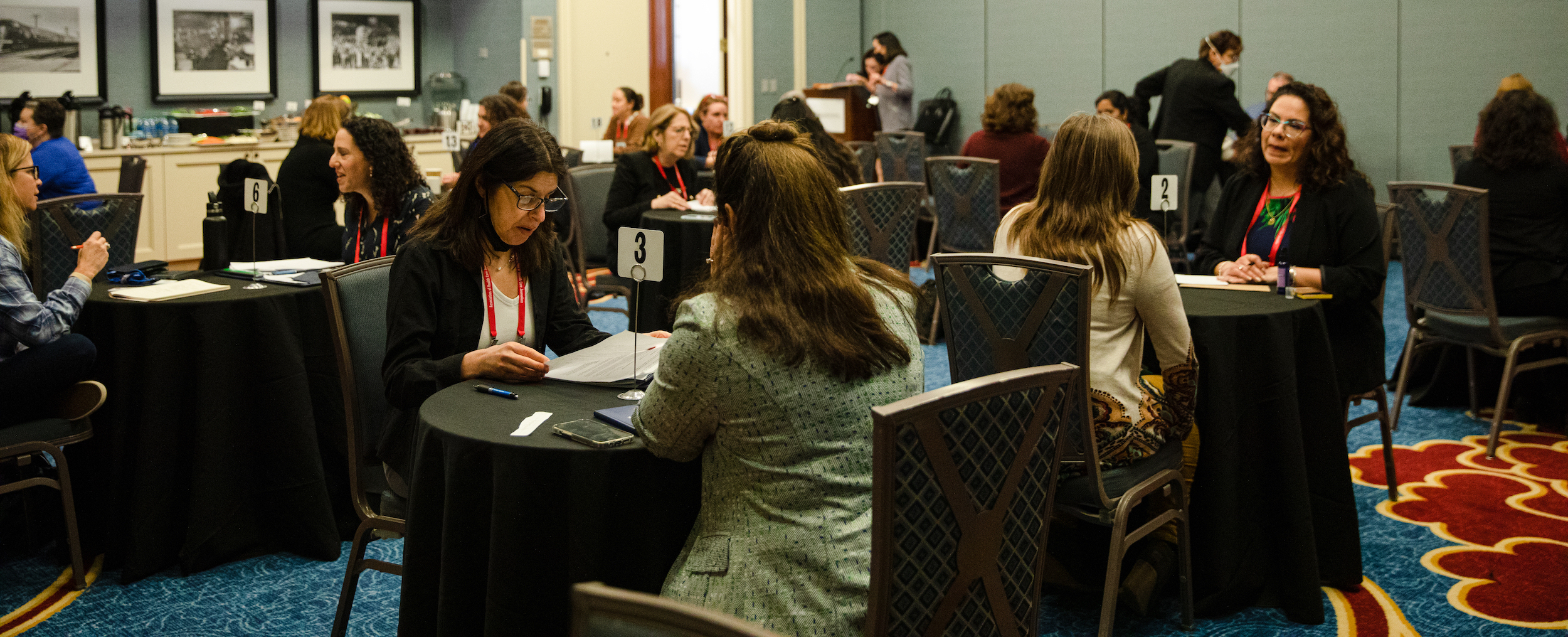
AHCJ’s popular Virtual PitchFest is back — giving independent journalists the chance to pitch directly to editors at leading health publications.
Registration is sold out. Click the link below to add your name to the waitlist.
Jump to: How it works | Timeline | PitchFest Editors

Here’s how it works
Timeline
Strategies for success
Remember
Five Rules for PitchFest
1. Show up. If you fail to show up for any of your appointments, you will not be allowed to sign up in advance for a future PitchFest. Additionally, be aware that the booked editor will have your name, potentially harming your reputation with that publication for years to come.
2. Show up on time. We run on time and we run like clockwork. If you are late, you forfeit your pitch. We also hate to waste the editor’s time.
3. Prepare carefully. We’ll post blurbs from editors describing what they want, so read those to customize your pitch to what each editor needs for their publication. For example, news editors won’t want to hear a pitch for a feature. Study the publication to make certain your pitch is a good fit.
4. Respect the time limit. When you are given the one-minute warning, wrap it up. When time is called, please thank the editor and tell them that you will follow up with an email.
5. Understand the limits. Please recognize that attending PitchFest does not guarantee you a sale. It does guarantee you an opportunity to pitch one-on-one with editors who are extremely difficult to access, even by email.
PitchFest Editors

Betsy Agnvall
Elizabeth “Betsy” Agnvall is the Health and Healthy Living Editor at aarp.org. She has worked as editor of Staying Sharp, AARP’s award-winning brain health platform and as a health editor at the AARP Bulletin. She wrote for the Washington Post Health section for six years has deep subject matter expertise in health and health journalism.

Rachel Courtland
MIT Technology Review | Pitching Guidelines
Rachel Courtland is a commissioning editor at MIT Technology Review, where she specializes in science and technology coverage and works with freelance writers and experts on a range of articles. Prior to joining Tech Review, she was a features editor at Nature and an editor at IEEE Spectrum. She has a background in physics and is a graduate of the science communication program at the University of California, Santa Cruz.

Mia de Graaf
Business Insider | Pitching Guidelines
Mia de Graaf is a deputy executive editor at Business Insider, based in New York City. Mia oversees health coverage at BI, and also commissions long-form stories across beats, mainly about life and culture. She is the anchor of Business Insider’s nutrition video series, Ultra Processed Life.
Mia speaks English and Spanish. As a journalist, she has covered news, politics, law, science, healthcare, wellness, and culture. Previously, Mia reported for The Guardian, The Economist, The Daily Mail, and Huffington Post, among others.
Tanya Lewis
Scientific American | Pitching Guidelines
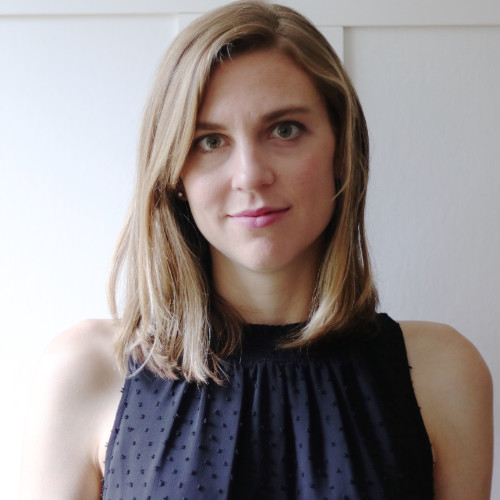
Tanya Lewis is a senior editor covering health and medicine at Scientific American. She writes and edits stories for the website and print magazine on topics ranging from COVID to organ transplants. She also appears on Scientific American’s podcast Science, Quickly and writes Scientific American’s weekly Health & Biology newsletter.
She has held a number of positions over her eight years at Scientific American, including health editor, assistant news editor and associate editor at Scientific American Mind. Previously, she has written for outlets that include Insider, Wired, Science News, and others. She has a degree in biomedical engineering from Brown University and one in science communication from the University of California, Santa Cruz.
Brendan Maher
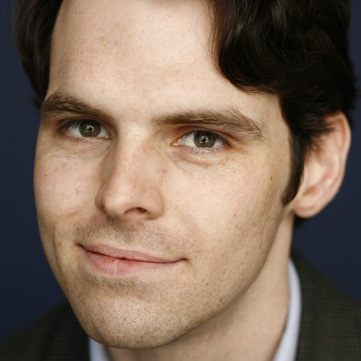
Brendan Maher has been editing news and features stories at Nature for more than 15 years. With a degree in writing and biology he has specialized in long-form, deep-dives into biomedical science, policy and the intersection between science and society. He is currently filling in as deputy news editor for the Americas, covering fast-breaking news.
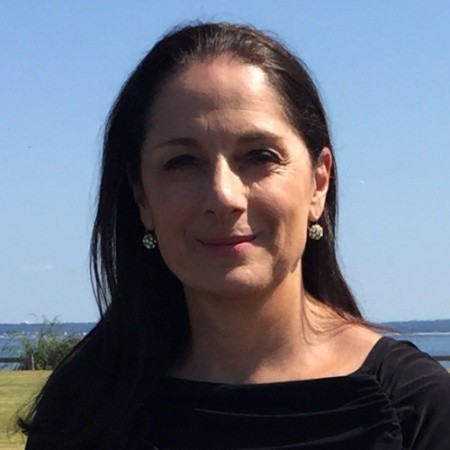
Elizabeth Mechcatie
Medscape | Pitching Guidelines
Elizabeth Mechcatie is editor of Medscape Dermatology and is based in Bethesda, Maryland. As editor, Elizabeth is responsible for developing, assigning, and editing news stories and features related to the field of dermatology. For this virtual PitchFest, she will also field pitches for the other specialities that Medscape covers, including rheumatology, psychiatry, neurology, internal medicine, family medicine, cardiology, pediatrics, obstetrics-gynecology/women’s health, hematology, oncology, gastroenterology, allergy and clinical immunology, diabetes/endocrinology, infectious diseases, and business of medicine.

Rosie Mestel
Knowable Magazine | Freelance Market Guide
Rosie abandoned yeast and fruit-fly labs long ago for the UC Santa Cruz science writing program. At New Scientist, she learned how convenient it was to have bosses 5,437 miles away. At the LA Times, she wrote about everything from anthrax forensics to the digestive hazards of election debates during Thanksgiving dinners. As chief magazine editor at Nature, she rekindled her love of Marmite and confusion over proper spelling (these days, she just guesses). She likes hiking, stained glass and old biological drawings, and is the devoted servant of Nutmeg the cat.

Macon Morehouse
Science News | Pitching Guidelines
Macon Morehouse joined Science News in December 2014. As news director, she draws on more than 30 years of journalism experience, from covering Congress at Congressional Quarterly Weekly Report to an eight-year stint in daily newspapers — first at The Charlotte Observer and then at The Atlanta Journal-Constitution, where she was part of the team covering the 1996 Olympic Games, to working in People magazine’s Washington, D.C. bureau, covering presidential campaigns, celebrity fly-ins, as well as medical breakthroughs as the magazine’s national medical correspondent.
Prior to joining Science News, she was senior editor at National Geographic Explorer, science-focused classroom magazines for elementary and middle school students. Her love of science news stories and drive to bring those stories to a broad, smart, curious audience brought her to Science News.
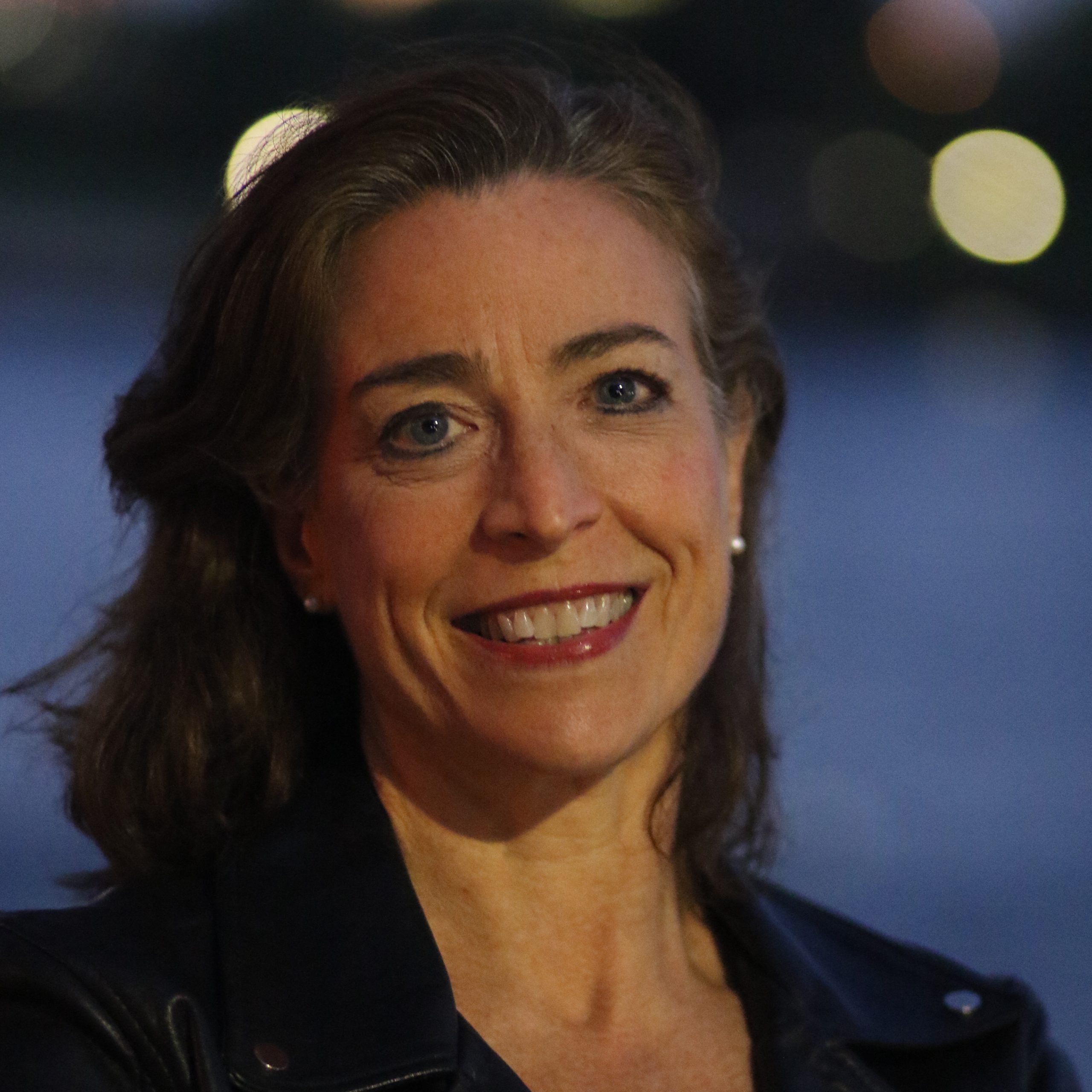
Marty Munson
Men’s Health | Pitching Guidelines
Marty Munson is a journalist with more than 20 years of experience investigating health, wellness, and optimal performance topics. She currently the Health Director at Men’s Health and Women’s Health.
Marty’s work has appeared in numerous other publications including Real Simple, Esquire, Marie Claire, Prevention, O, the Oprah Magazine, and Swimmer. She applies the insights gleaned from her reporting to her work as a swim and triathlon coach and to her own athletic pursuits, including swimming around islands such as Key West and Manhattan.

Betsy Taylor
Health Progress | Pitching Guidelines
Betsy Taylor is a former reporter for The Associated Press who covered eastern Missouri, a university senior writer, and has held three editor roles at CHA. She recently attended classes at Stanford University as an affiliate of the John S. Knight Journalism fellowship program.

Pamela Weintraub
Aeon+Psyche | Pitch Guidelines
Pamela Weintraub is the senior editor at Aeon+Psyche and founding co-editor of OpenMind Magazine, as well as occasional editor of print titles in health and psychology for a360 Media.
She was previously editor-in-chief of OMNI, executive editor of Discover, and consulting editor (features) at Psychology Today. Weintraub is also author or co-author of 16 books and have widely published stories on psychology and health across national media. She recently won a Pulitzer Center grant for OpenMind.
She is especially looking for deeply-reported long-form profiles as well as psychologically-themed, shorter-form personal essays and “as-told-to” pieces reflecting life’s turning points and changes. See Psyche’s Life Stories section.

Starlight Williams
National Geographic | Pitching Guidelines
Starlight Williams is a digital health and wellness editor at National Geographic, where she commissions stories that explore the science of being human — how our bodies, brains, and cultures shape each other in surprising ways. She’s drawn to reporting that challenges assumptions, debunks wellness myths, and reveals the weird, wonderful connections between biology and behavior.
Before joining National Geographic as a producer for the Travel team in 2018, Starlight worked as a staff reporter covering education, business, and city government for Community Impact Newspaper in Texas, and as a culture and festivals contributor for The Times-Picayune and NOLA.com. When she’s not hunting for great story pitches (send yours to starlight.williams@natgeo.com), you can find her training herself and others to meet their full physical potential.
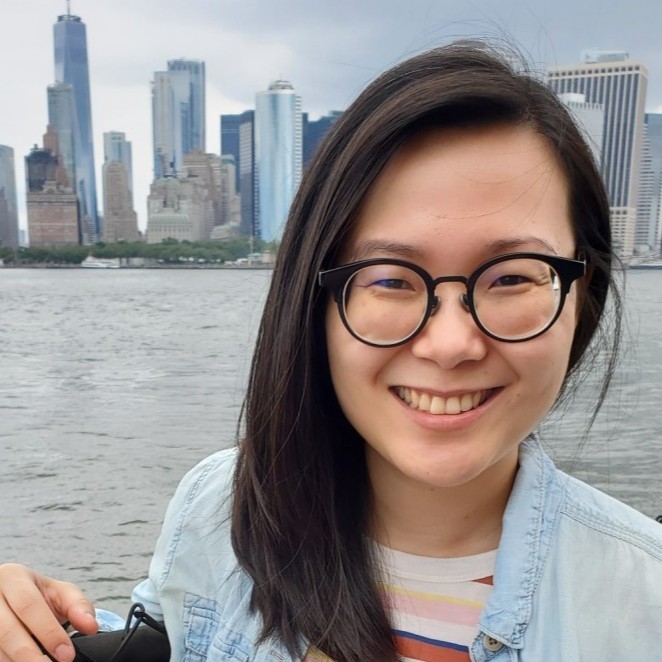
Lauren Young
Scientific American | Pitching Guidelines
Lauren J. Young is associate editor for health and medicine at Scientific American. She has edited and written stories that tackle a wide range of subjects, including the COVID pandemic, emerging diseases, evolutionary biology and health inequities. Young has nearly a decade of newsroom and science journalism experience.
Before joining Scientific American in 2023, she was an associate editor at Popular Science and a digital producer at public radio’s Science Friday. She has appeared as a guest on radio shows, podcasts and stage events. Young has also spoken on panels for the Asian American Journalists Association, American Library Association, NOVA Science Studio and the New York Botanical Garden. Her work has appeared in Scholastic MATH, School Library Journal, IEEE Spectrum, Atlas Obscura and Smithsonian Magazine. Young studied biology at California Polytechnic State University, San Luis Obispo, before pursuing a master’s at New York University’s Science, Health & Environmental Reporting Program.