

Rural Health Webinar Series
This webinar is Part 4 of our 2026 Rural Health Webinar Series. Attend at least four of our five sessions, complete a brief knowledge check and earn an AHCJ Certification in Covering Rural Health for your resume. Learn more »
As AI fuels data center construction across the country, many headlines have already focused on the pervasive environmental impacts, including air pollution, water use, noise, energy demand and environmental justice intersections. The policy, research and national discourse on this topic are moving quickly. How can journalists cut through the common frames to find fresh angles and untold stories? This webinar brings together panelists broaching this question from different angles, including public health research, community advocacy and investigative journalism.
September 23 @ 1:00 pm – 2:00 pm EDT
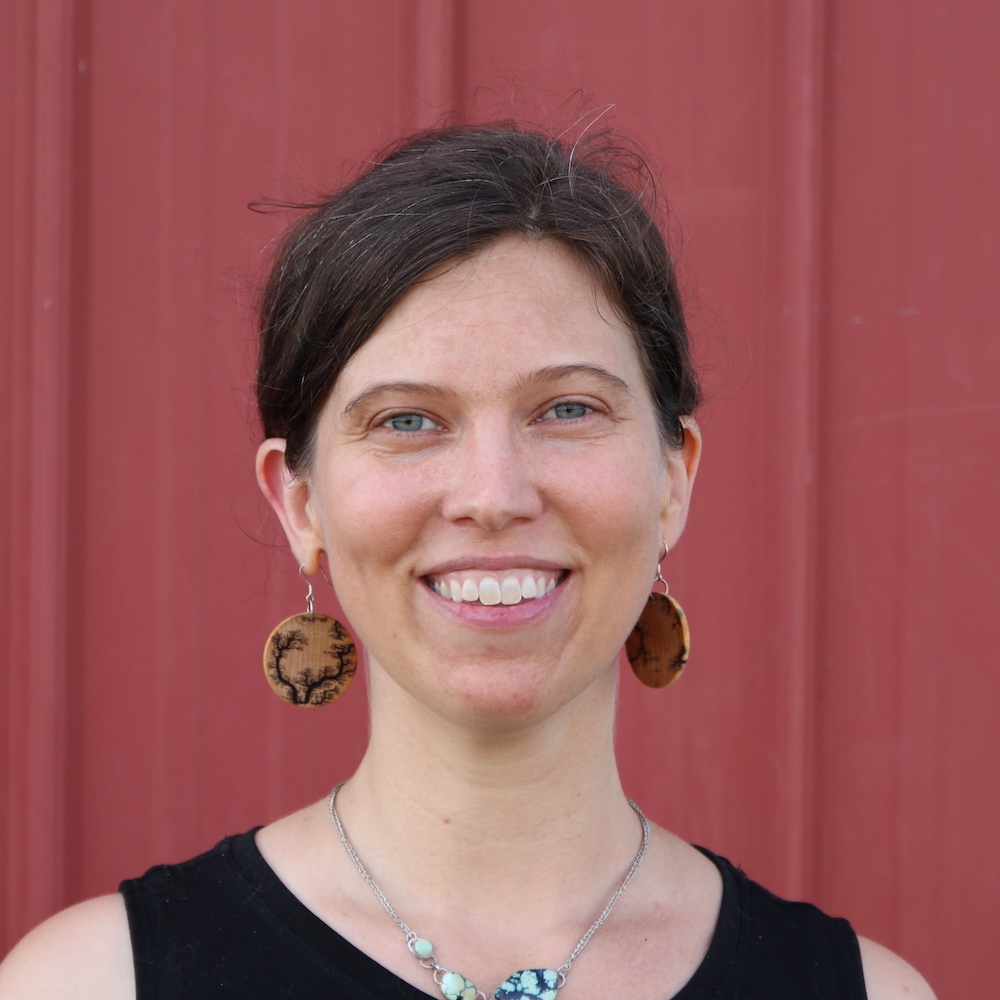
Katie Burke
Senior contributing editor, American Scientist
Katie L. Burke is an award-winning editor and serves as senior contributing editor at American Scientist. Burke has a doctorate in biology and a rich background in conservation, forest history, and disease ecology, bringing a profound understanding of scientific nuances to her work.
She was previously AHCJ’s Health Beat Leader for Environmental Health.
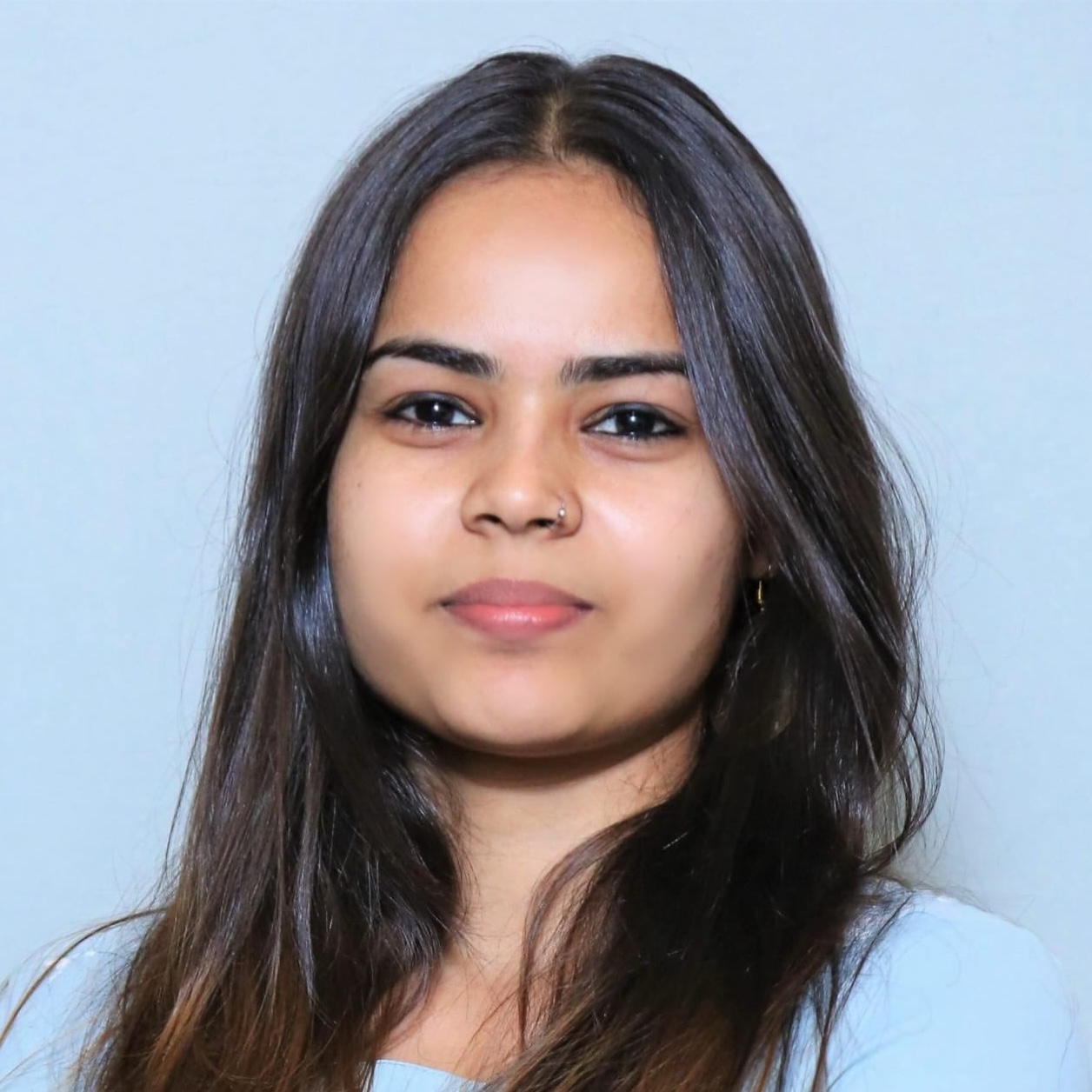
Neha Gour
Ph.D. candidate in science communication, George Mason University
Affiliated researcher, Center for Climate Change Communication
Neha Gour is a Ph.D. candidate in Science Communication at George Mason University and an affiliated researcher with the Center for Climate Change Communication. Her work examines the intersections of AI infrastructure, climate change, public health and public policy. Using quantitative methods, she generates and evaluates empirical evidence to inform policy, public communication and decision-making. Neha’s research has included collaborations with organizations such as The Nature Conservancy, the Government of the City of Fairfax, the World Health Organization, UNESCO, and Oxford Policy Management, among others.
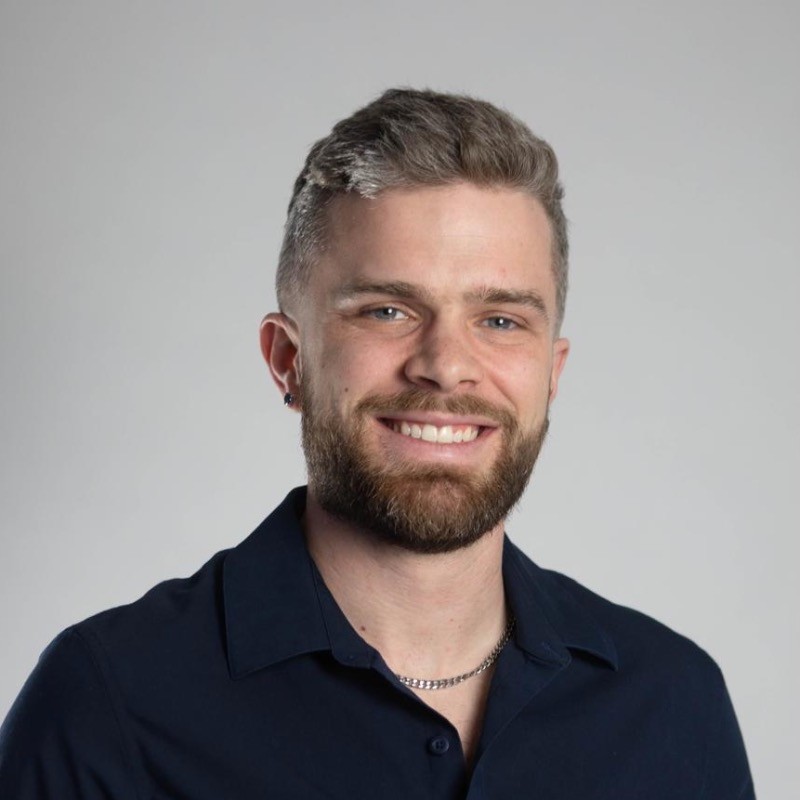
Michael Cork, Ph.D.
Founder and CEO, EmPower Analytics Group
Dr. Michael Cork is an environmental health scientist and Founder & CEO of EmPower Analytics Group, an independent scientific firm that quantifies the public health and economic impacts of energy infrastructure. His work combines atmospheric modeling, epidemiology, and health economics to evaluate how power generation associated with AI infrastructure, data centers, and other large industrial facilities affects surrounding communities.
His analyses have informed permitting decisions, supported environmental law organizations, local governments, and community organizations, and have been featured by national media including The New York Times and Politico. Dr. Cork earned his PhD in Biostatistics from Harvard University, where his research focused on the health effects of air pollution and statistical methods used to inform national air quality standards.
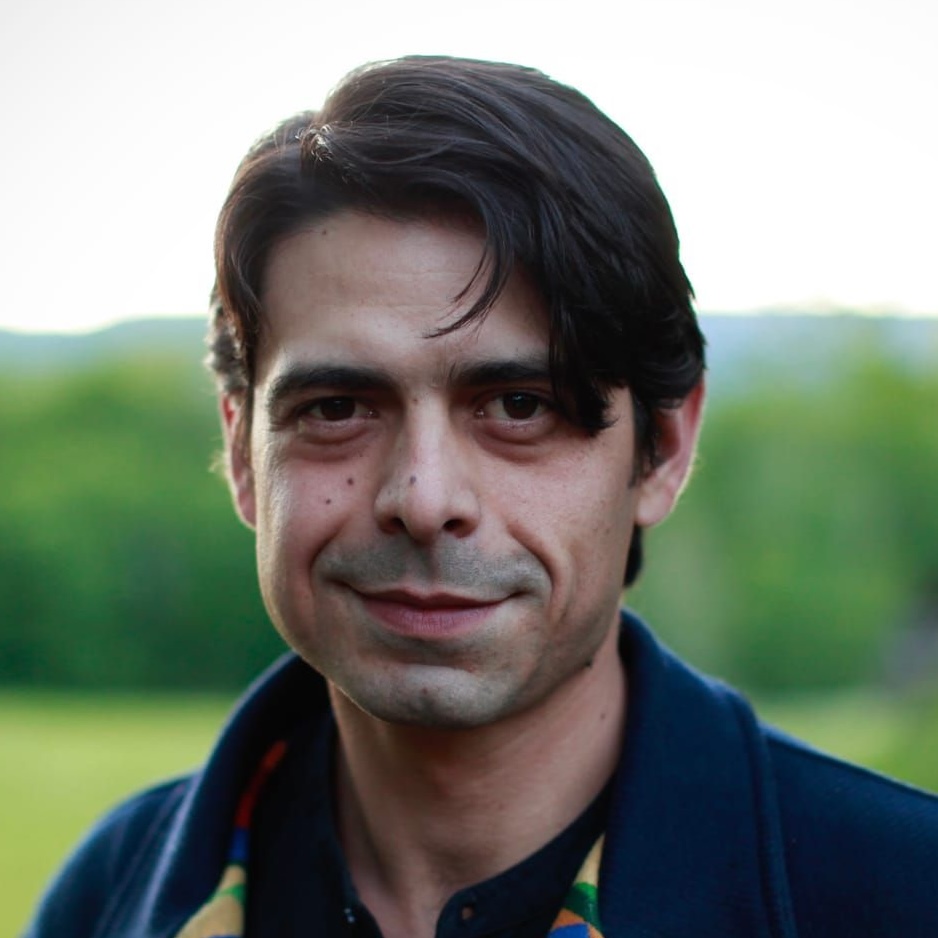
Evan Simon
Investigative producer, Floodlight News
Evan Simon is an Emmy Award-winning investigative journalist and documentary filmmaker known for groundbreaking environmental investigations into plastic recycling claims, abandoned oil wells, and the controversial power sources fueling the AI data center boom. Simon previously worked for the ABC News Investigative Unit and The Wall Street Journal. He is currently leading video and visual investigations at Floodlight, a nonprofit collaborative newsroom dedicated to climate investigations, where his multimedia reporting has been co-published by PBS, The Guardian, WIRED Magazine, High Country News, and Mother Jones, among others.

Dr. Reed Omary
Professor, Department of Radiology and Biomedical Engineering, Vanderbilt University Medical Center
Founder, The Greenwell Project
Reed A. Omary, MD, MS, is a physician, writer, speaker, and nonprofit founder based in Nashville. He is Professor of Radiology and Biomedical Engineering at Vanderbilt University Medical Center and founder of Greenwell Project. A strong communicator of the future, Dr. Omary speaks to healthcare and lay audiences across the world on planetary health, sustainable healthcare, and the health impacts of AI infrastructure.