After a trauma center returned to Chicago’s South Side for the first time in decades, firearm deaths near the hospital fell by nearly 4%, a new study found.
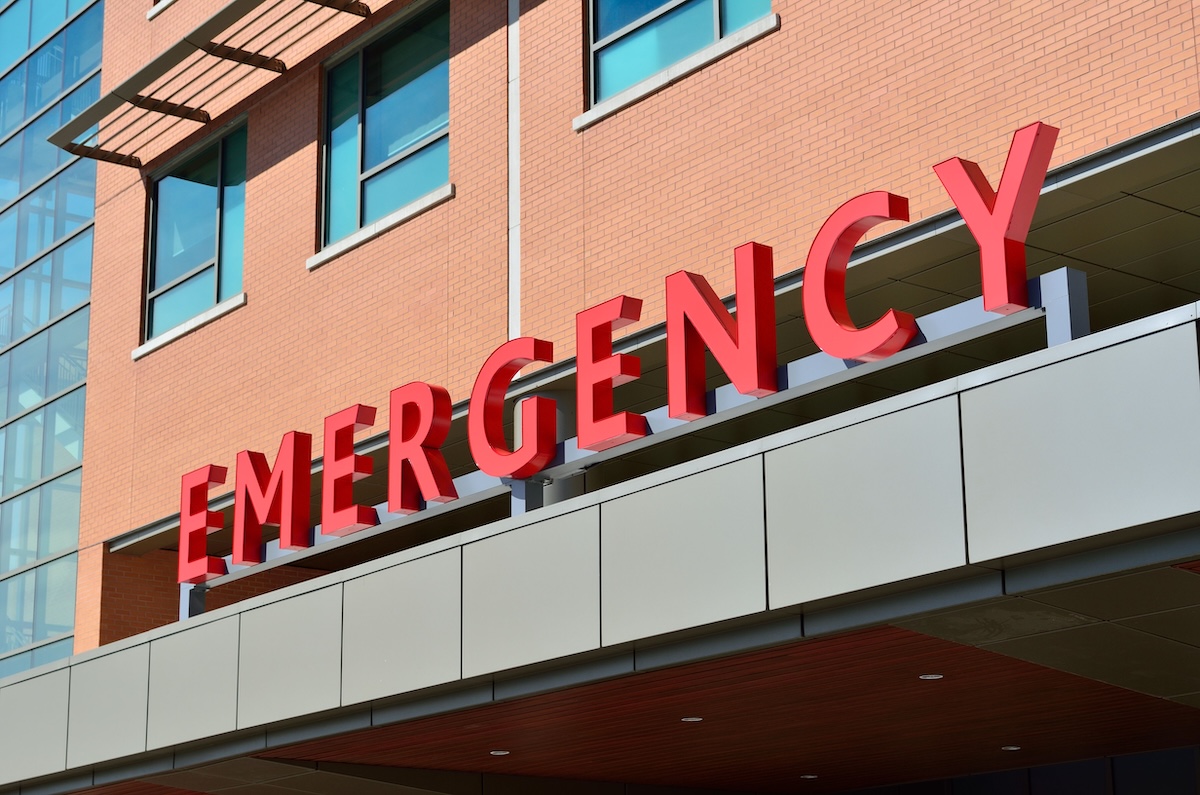
In 2018, the University of Chicago reopened its adult trauma center, bringing emergency care to a part of the city that suffers the brunt of Chicago’s violent crime.
The study, “Firearm Mortality and Equitable Access to Trauma Care in Chicago,” was published earlier this year in JAMA Surgery.
Researchers at UChicago, the University of Michigan and Boston University found that travel times to the hospital dropped by nearly 10 minutes. They also identified a 3.9% decrease in firearm deaths within the trauma center’s service area from when it opened in 2018 to 2024. The rest of Chicago did not see a significant change during that time, according to the study.
That means for every 1,000 shooting injuries, roughly 39 people survived who would have otherwise died. The study also found that the average victim within the center’s service area also traveled a shorter distance and arrived quicker.
This matters to reporters anywhere because it demonstrates how important a trauma center is, and how devastating it can be when a community with high violence rates doesn’t have a trauma center.
“This is a clear example of how improving access to trauma care has a tangible, lifesaving effect,” Dr. Selwyn Rogers, the trauma center’s founding director, said in a statement. “When someone suffers a critical injury, every minute between injury and treatment matters.”
Improved transport times, more lives saved
The South Side lacked an adult trauma center for nearly 30 years. Michael Reese Hospital in the Bronzeville neighborhood shut down its trauma division in 1991. UChicago’s previous trauma center closed earlier in 1988. (The hospital’s level 1 pediatric trauma center, which opened in 1986, never closed.)
Before UChicago’s trauma center returned, the only level 1 adult trauma center remotely close to the South Side was in the suburbs or downtown. Shooting victims on the South Side had to spend critical minutes in the back of an ambulance, worsening their chances of survival.
But after the trauma center opened, the study found that transport times within UChicago’s service area decreased by about 9.5 minutes and that ambulances traveled 3.4 fewer miles. Those reductions in delays were not documented elsewhere in the city.
The study examined 45,150 shooting incidents in Chicago from 2010 to 2024. Over 19,000 of those shootings took place within the center’s service area, which covers a large swath of the South Side.
The drop in deaths is also significant given that shootings became deadlier in the years after the center opened and Chicago’s homicide rate spiked — most acutely during the COVID-19 pandemic.
Story ideas
A pared-down version of this study would be a great story idea for a reporter covering either the benefits of a trauma center or the impacts of lacking one in a community.
While it would be difficult for a reporter to replicate this study, the researchers used publicly available data to determine travel times, distances and mortality rates. Most police and fire departments can provide such data.
If that data analysis isn’t possible, there are plenty of opportunities to anecdotally cover the impacts of a trauma center’s presence or lack thereof. Are there stories of shooting victims who died because of a slow hospital transport? Or was their care impacted because they weren’t taken to a level 1 trauma center?