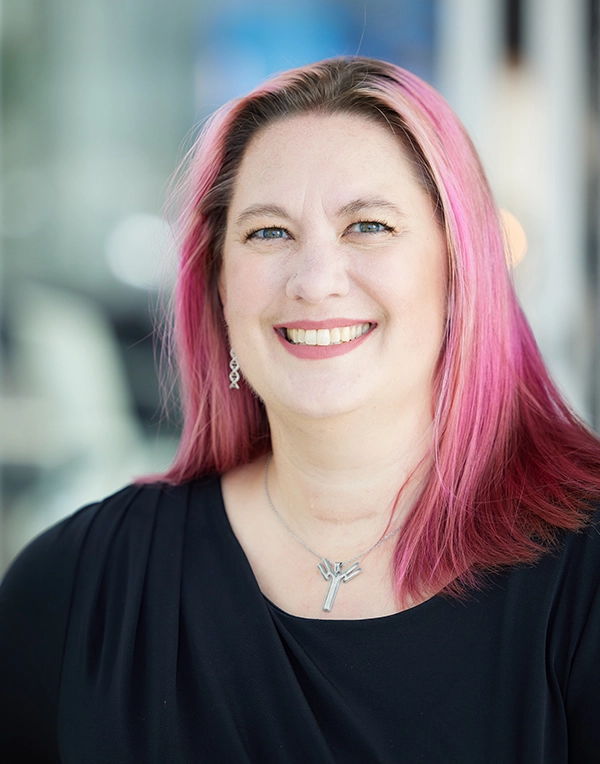

We shared part 1 of a Q&A yesterday with Betsy Ladyzhets and Miles Griffis, the journalists who founded The Sick Times in 2023, a publication focusing on COVID-19, long COVID and related long-term conditions of viral illnesses.
Check out how they came up with the idea of starting The Sick Times and secured funding. Then read on about how their approach to covering COVID and long COVID differs from mainstream publications, their tips for reporting on long COVID and how journalists can write for The Sick Times.
What guiding principles or philosophies have you adopted at The Sick Times that may differ from other publications?
Miles: There are two big ones for us. First, we recognize the COVID-19 pandemic as ongoing, whereas many publications write erroneously about it in the past tense.
Second, we know many of our writers/reporters (and some members of our staff) are on “crip time”, a term defined by Alison Kafer that means “rather than bend disabled bodies and minds to meet the clock, crip time bends the clock to meet disabled bodies and minds.” As a result, we are very lenient on deadlines for writers and have adapted ways to interview sources who may not be able to do a phone or video interview because of their disability.
Betsy: We also ensure all of our articles are written first for an audience of people with long COVID and related diseases/disabilities. This is a big distinction from more traditional publications that tend to treat the disease as a medical curiosity and assume the reader has to be convinced to care.
What were the biggest challenges in your first year?
Miles: Certainly wearing multiple hats at once, and taking on so many new skills. Running a publication is a lot of work — especially as such a small team. Not only are we editing, reporting, writing, and making graphics, but we’re also fundraising, managing budgets, submitting for awards and pursuing collaborations. I’ve been grateful for many resources from The Open Notebook.
Betsy: Time management is tough, especially trying to make time for larger reporting projects. Another challenge is simply keeping track of all of the pitches, tips, and other ideas we receive from our readers and potential collaborators. We’re only covering a fraction of the stories that could be written about long COVID right now, and we hope to keep expanding to meet this need.
What has been most rewarding about this experience?
Miles: It’s been very encouraging to find that our work is proving helpful to people with long COVID and related diseases. Our socials continue to grow and have formed an incredible community online that we feel privileged to cover.
Betsy: A friend who has long COVID recently told me that her employer added COVID-19 precautions for a staff retreat after she presented why this is important, using some of our articles as sources. Our email inboxes and comment sections suggest many other readers have similarly used our work to advocate for their health. That’s incredibly meaningful.
What are the most important things for other journalists to know about reporting on long COVID?
Miles: People with long COVID bring immense expertise to your story — every story about long COVID should include multiple people with lived experience. If you or your editor haven’t covered long COVID or disability before, hire someone to do a sensitivity read.
Secondly, lean into the discomfort when reporting on this topic. Unlearning ableism isn’t easy — it’s infused into our society. Ultimately, all long COVID reporting is disability reporting and should be centered as such.
And of course, when interviewing people with long COVID, ask for their interview preferences and access needs. Break up long interviews into shorter ones if it makes it easier for people who have post-exertional malaise. If interviewing sources in person, wear a high-quality mask. Our duty as journalists is to protect our sources.
How can journalists write for The Sick Times?
We accept two kinds of pitches: reported features and commentary/op-ed. Our features are around 1,200-1,500 words, and our essays are around 1,200 words. We pay $1,300 for features and $400 for commentary. You can find more information about what we look for in pitches on our “Write for us” page.
What’s your publication collaboration policy?
We are also very open to collaborations with other news outlets and communications organizations! If you are interested, please reach out to us at editors@thesicktimes.org. All of our original stories are available for free/Creative Commons republication as well.