Doctors measure health in many ways, from routine blood tests for cholesterol or kidney function to using devices like spirometers to test lung function or pulse oximeters for blood oxygen levels. But the results of these routine tests can be misleading because some tests and devices are skewed by algorithms that produce different results depending on a person’s race or ethnicity. Some devices don’t work as well for people with darker skin tones.
These biases can lead to delayed diagnoses and care for Black, Hispanic, Asian, and other communities of color. Now, clinicians, regulators and researchers are working to address inequities caused by the misuse of race.
This webinar covered the fast-moving, complex space of racial disparities in algorithms and devices. AHCJ Civic Science Fellow Jyoti Madhusoodanan and AHCJ Health IT Beat Leader Karen Blum spoke about how these algorithms and devices work, how bias creeps in, the toll it takes, and efforts to solve this problem.
Panelists for this discussion were University of Michigan pulmonologist Michael Sjoding, who presented evidence to an FDA advisory committee on how racial bias in pulse oximeters endangers Black patients; and University of Pennsylvania gastroenterologist Shazia Siddique, who recently led an AHRQ-funded systematic review on clinical algorithms and racial disparities.

Karen Blum
AHCJ Health IT Beat Leader
Karen Blum is AHCJ’s health beat leader for health IT. She’s an independent health and science journalist, based in the Baltimore area. She has written for publications such as the Baltimore Sun, Pharmacy Practice News, Clinical Oncology News, Clinical Laboratory News, Cancer Today, CURE, AARP.org, General Surgery News and Infectious Disease Special Edition; covered numerous medical conferences for trade magazines and news services; and written many profiles and articles on medical and science research as well as trends in health care and health IT. She is a member of the American Society of Journalists and Authors (ASJA) and chairs its Virtual Education Committee; and a member of the National Association of Science Writers (NASW) and its freelance committee.

Jyoti Madhusoodanan
Doris Duke Racial Equity in Clinical Equations Civic Science Fellow
Jyoti Madhusoodanan is AHCJ’s Civic Science Fellow, covering race in health algorithms as part of a year-long fellowship funded by the Doris Duke Foundation. She is an independent science and health journalist who regularly covers biomedical research, health equity, clinical trials, and the translation of basic research into clinical care. Her reporting on race adjustments in clinical algorithms was supported by a 2020 project fellowship from the MIT Knight Science Journalism program; reporting on other topics has received fellowship support from the Alicia Patterson Foundation, the GSA Journalists in Aging program, and others. Madhusoodanan is a senior contributor to Undark magazine and her work regularly appears in Nature, Scientific American, and other outlets. She also serves on the Board of Directors of the National Association of Science Writers.

Shazia Siddique M.D., M.S.H.P.
Gastroenterologist & health policy researcher, University of Pennsylvania
Dr. Shazia Siddique M.D., M.S.H.P., is assistant professor of medicine, division of gastroenterology; associate director for research, Center for Evidence-Based Practice; director of research, Center for Healthcare Improvement and Patient Safety (CHIPS); senior fellow, Leonard Davis Institute for Health Economics, University of Pennsylvania.
Siddique is a physician-scientist with expertise in health services research and health equity. She is currently an Assistant Professor of Medicine in the Division of Gastroenterology, Senior Fellow at the Leonard Davis Institute for Health Economics, and Senior Scholar for the Center for Clinical Epidemiology and Biostatistics at the University of Pennsylvania.
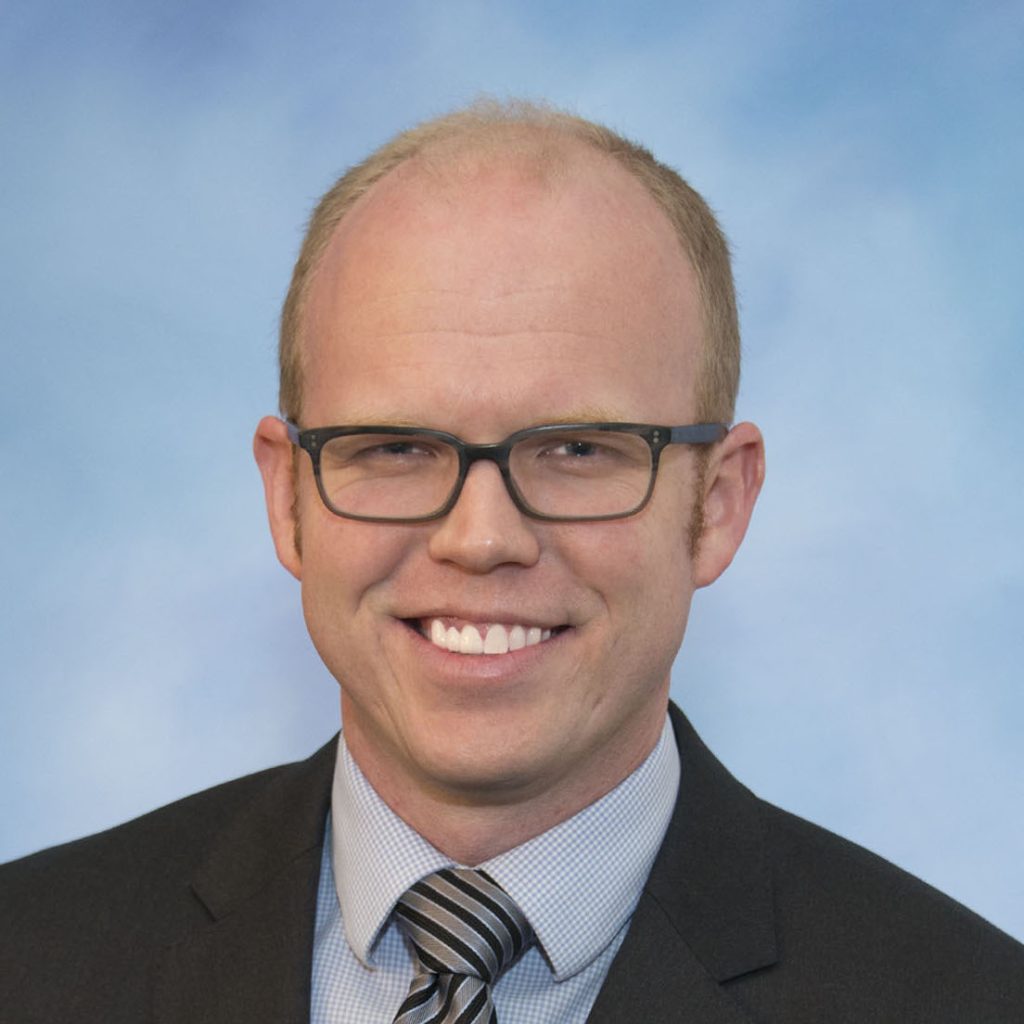
Michael Sjoding, M.D., M.Sc.
Associate professor of medicine, University of Michigan Division of Pulmonary and Critical Care
Dr. Sjoding received his medical degree from Loyola University in Chicago. At the University of Michigan, he completed a Pulmonary and Critical Care Fellowship and received a master’s degree in health care research. His research focuses on developing novel digital tools to improve hospital care for patients with acute respiratory diseases.