



Hackers targeting hospital systems have started extorting patients directly. Make sure your audience is aware.

Artificial intelligence-generated doctors’ notes, microphones in the exam room and cameras in inpatient rooms may all be on the table…

In an effort to improve medicine with AI, more hospitals are creating ‘digital twins’ of patients to test treatments and…
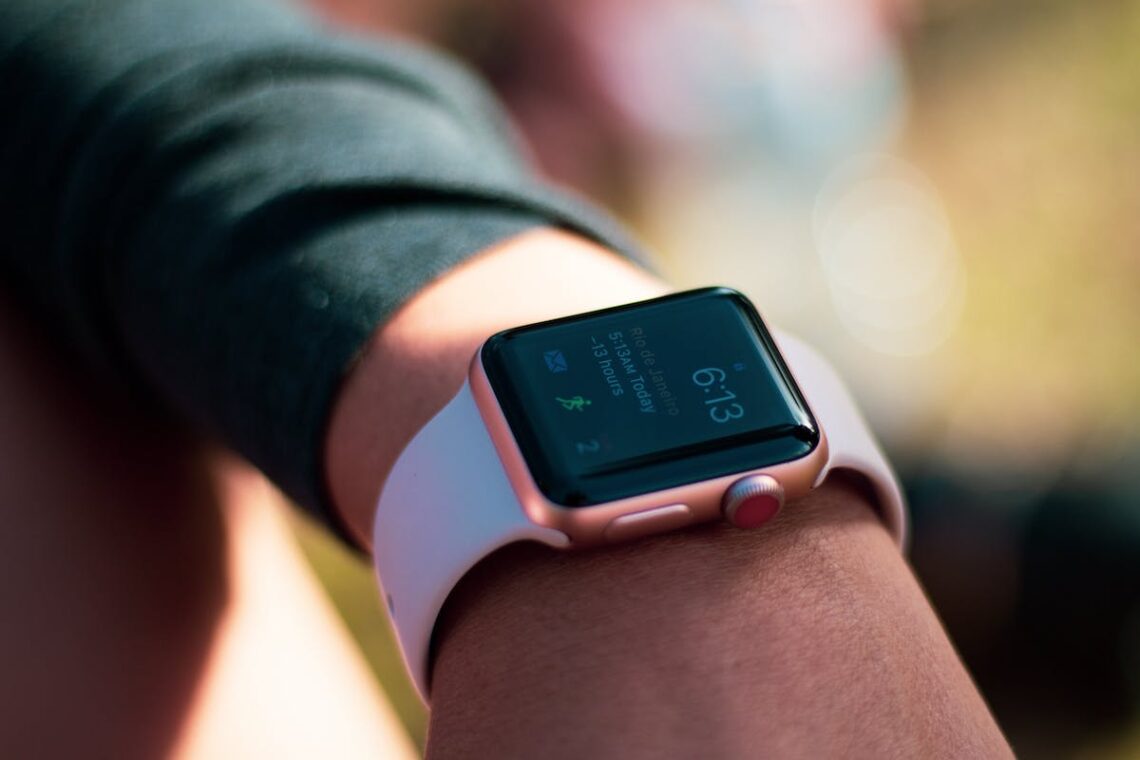
STAT journalist Mario Aguilar speaks about his process and offers advice to reporters covering health technology.

While artificial intelligence chatbots like ChatGPT can be a valuable tool for journalists, it’s important not to take the information…

A recent study published in Health Affairs Scholar revealed significant challenges for Spanish speakers trying to access in-person or telehealth-based…

Protect yourself and your readers from misinformation by learning how to distinguish deepfakes from real sources.
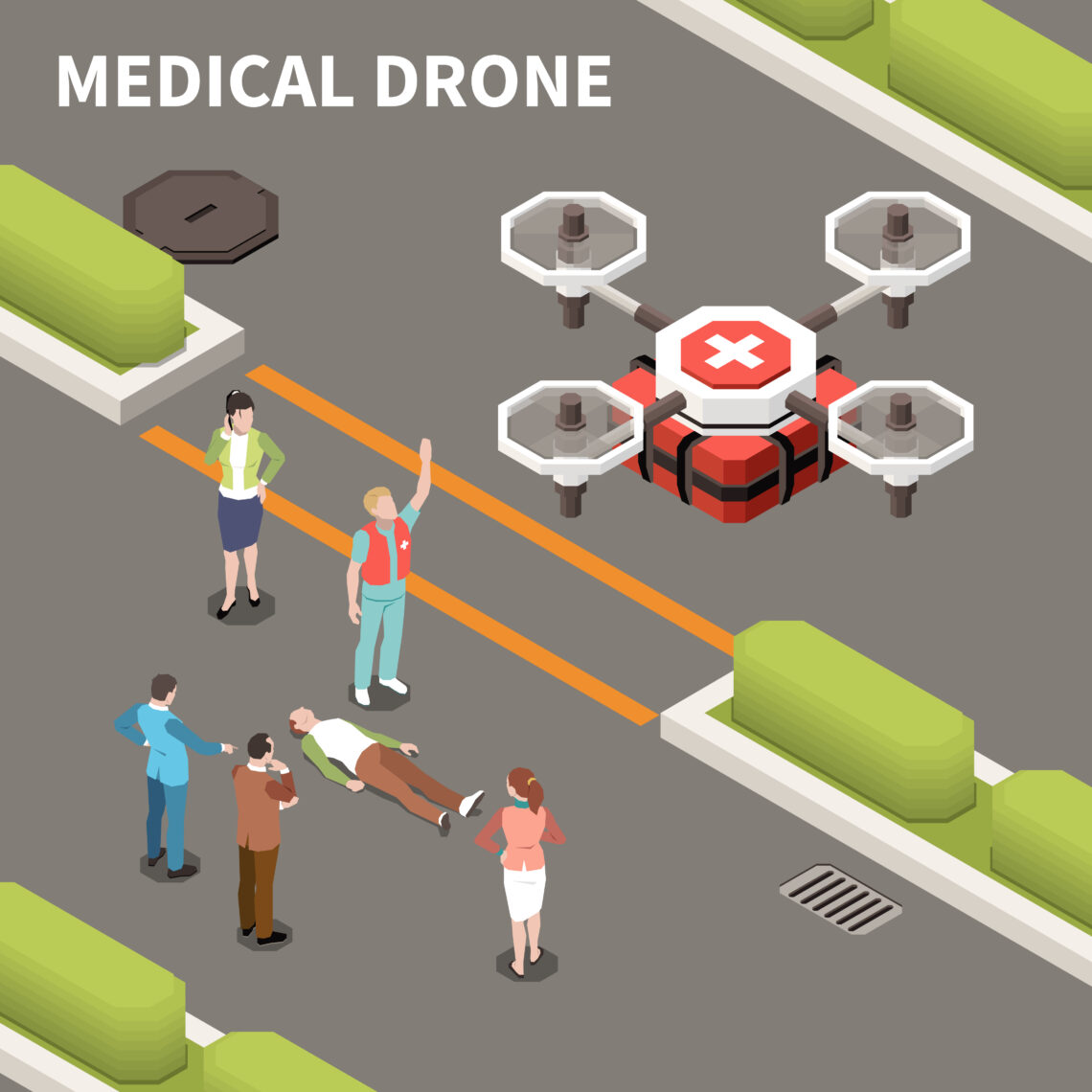
Instead of waiting in line at the pharmacy to pick up medication, wouldn’t it be more convenient for it to…

Colorado-based freelance journalist Lisa Marshall talks with AHCJ about the burgeoning smart bandage industry. Learn how she reported on the…

Should health care practitioners retain the ability to prescribe controlled medications to patients via telemedicine — perhaps without any in-person…