Abortion in America: Finding hidden stories locally and nationwide
By Madeline Heim, Wisconsin Health Journalism Fellow
Nearly four years after the U.S. Supreme Court’s decision to overturn Roe v. Wade, abortion stories are still plentiful and critical, according to panelists at HJ26.
Health impacts from the litany of abortion restrictions states have passed since then are beginning to stack up, said Stateline health inequities reporter Nada Hassanein, and coverage of those impacts is “at the tip of the iceberg.”
To do that well, she and other panelists argued, journalists should pursue stories that are personal, intersectional and specific – and challenge editors who say the moment to write them has passed.
Hassanein’s work at Stateline has tackled pregnancy and abortion in the context of other challenges pregnant people may face, such as mental health struggles and inequitable care. Her recent investigation, Billion Dollar Baby Bump, explored how states are funding crisis pregnancy centers as access to other health care options dwindles.
Journalists can ground their reporting about abortion with information about maternity care deserts and racial inequities in maternal morbidity and mortality, she suggested.
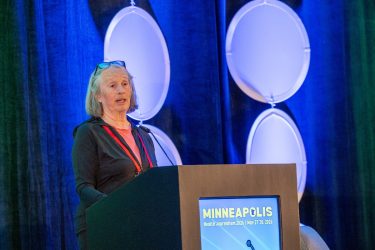
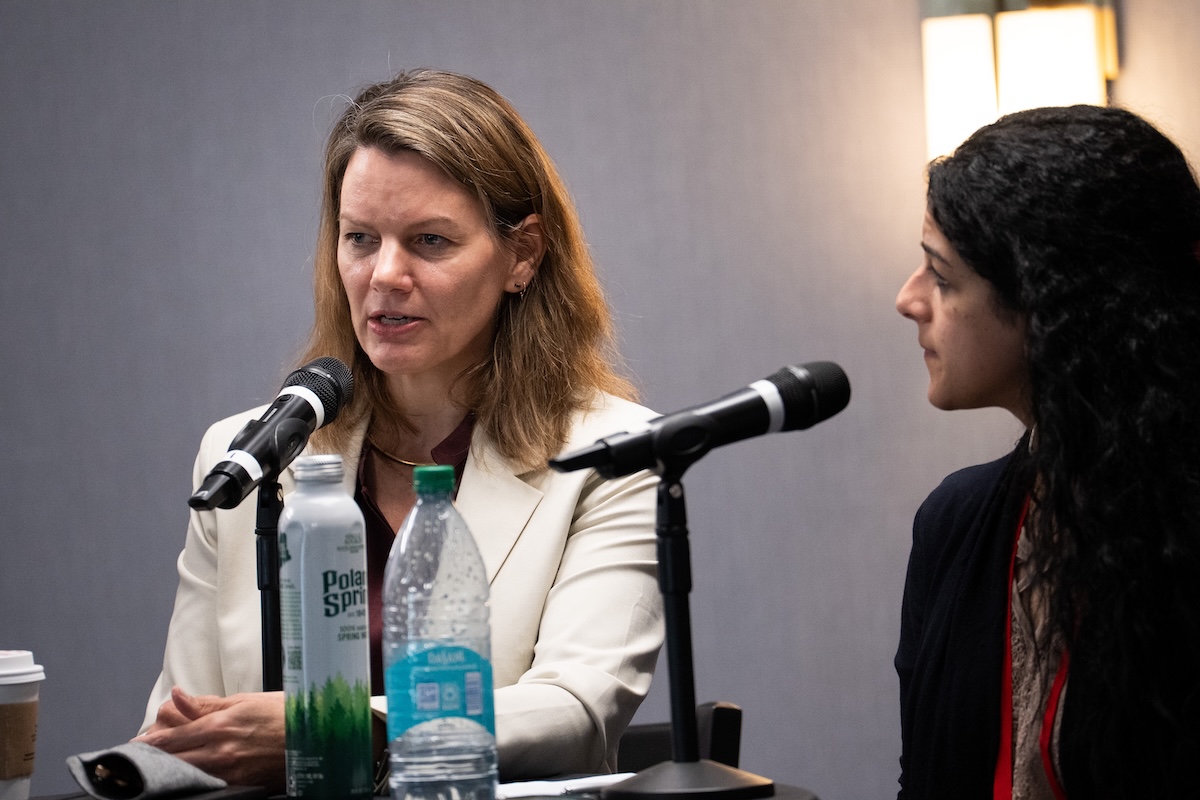 Sarah Varney of PBS NewsHour speaks at the HJ26 session “Abortion in America: Finding hidden stories locally and nationwide.” Photo by Zachary Linhares
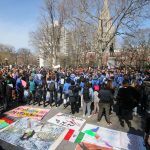
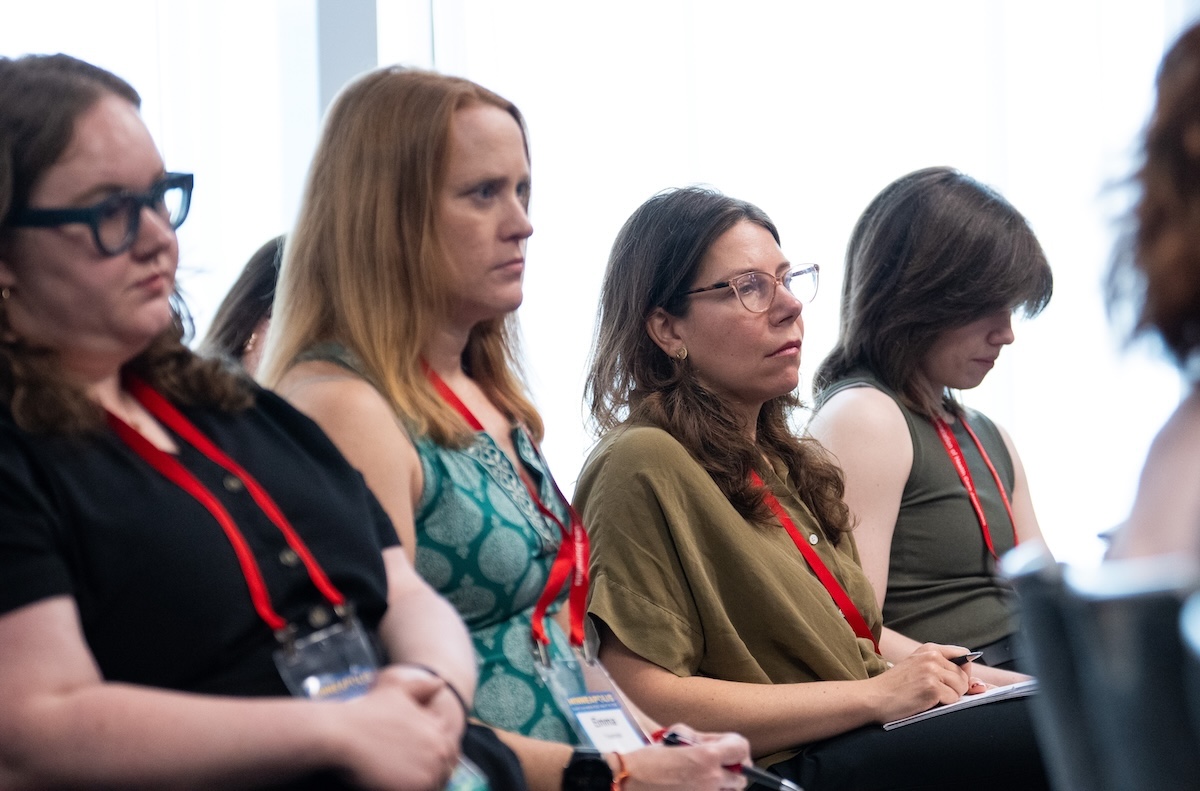 HJ26 attendees at the session “Abortion in America: Finding hidden stories locally and nationwide.” Photo by Zachary Linhares
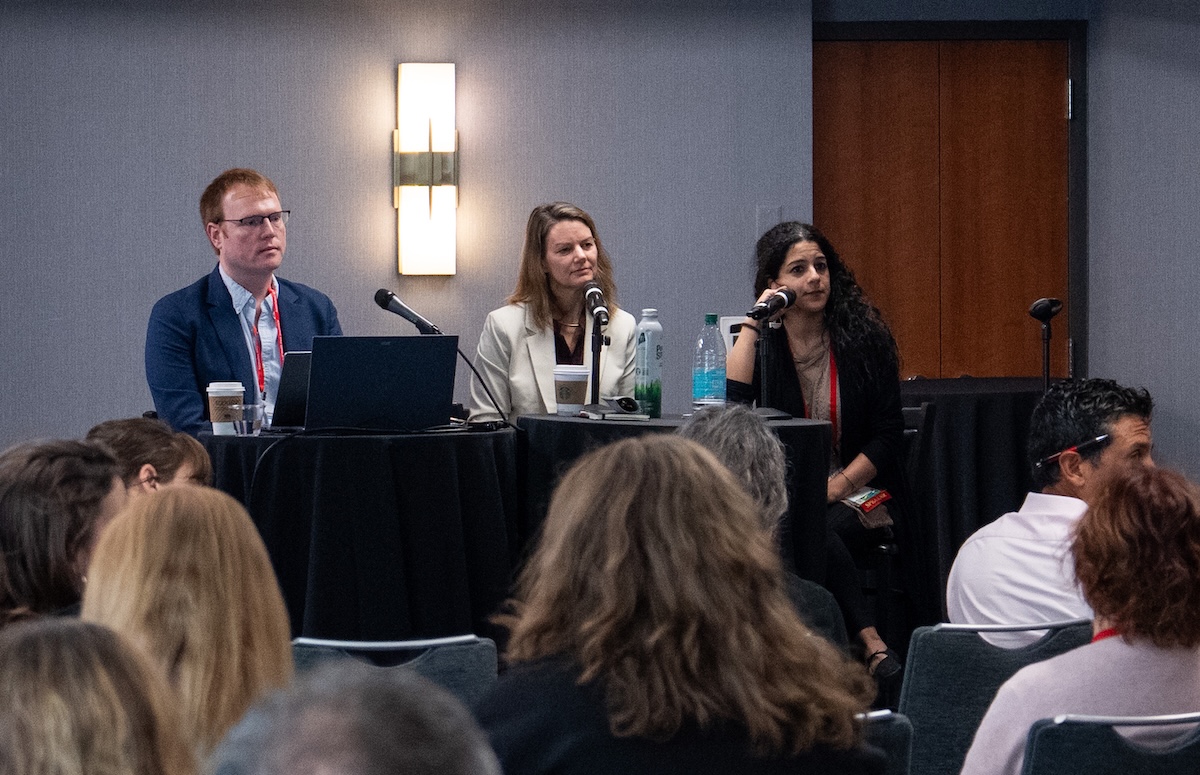 Jason Kane (left), Sarah Varney and Nada Hassanein, journalists who cover abortion, pregnancy and reproductive rights, discuss how to keep such stories alive on May 28 at Health Journalism 2026 in Minneapolis. Photo by Zachary Linhares
Sarah Varney is a special correspondent for PBS NewsHour and founder of Fountain Productions, which produces narrative journalism about the consequences of outlawing abortion. Varney explored how newsrooms handle abortion coverage as a 2024 Nieman Fellow at Harvard University.
She found that while coverage of other issues had shifted – journalists are no longer told to interview scientists who deny climate change, for example – abortion coverage had not. In many cases, women covering abortion are told they’re being “too much of an advocate,” she said.
Journalists should be specific in their stories about abortion and pregnancy instead of resorting to vagueness, Varney said, pointing back to a story she told about a Tennessee woman who delivered a stillborn baby whose organs grew outside its body.
On occasion, editors have pushed back, she said. When they do, she asks, “Do you say that to your war correspondents?”
It’s critical to educate readers about these issues, Varney said, especially as abortion opponents employ graphic depictions about what procedures entail.
Varney is now working on The Aftermath, a reporting project that will chronicle instances of people impacted by abortion restrictions since August 2022. That work, once complete, will be available to reporters to track maternal injuries in their states.
“Pregnancy is not a benign, fairytale condition,” Hassanein said. “It’s a medical condition with many complications. That’s not something we can overstate enough.”
Madeline Heim covers public health and environmental issues for the Milwaukee Journal Sentinel.