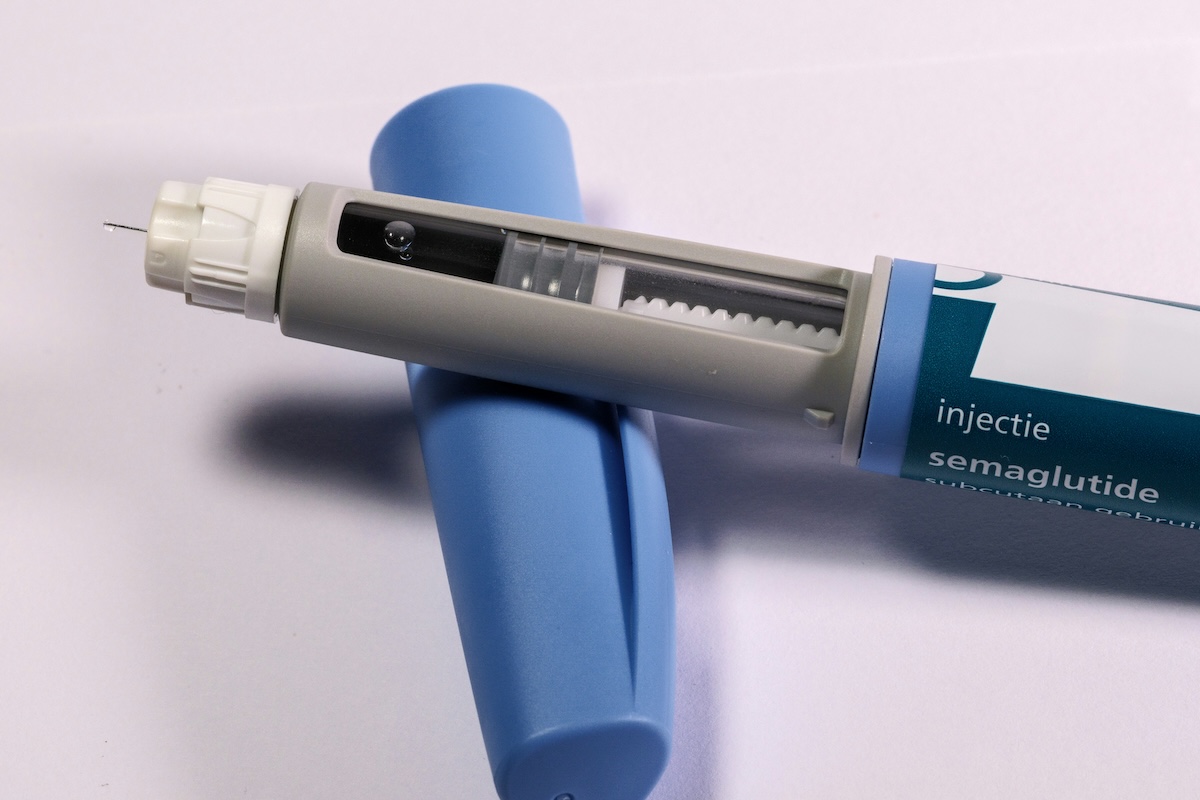
Many people on Medicare and Medicaid who wanted to take GLP-1 drugs for weight loss but couldn’t afford the high prices of these medications were awaiting the launch of the CMS BALANCE Model in 2027.
Those Medicare and Medicaid members were waiting because CMS pays for certain GLP-1s to treat diabetes and heart disease, but not obesity. Under BALANCE, beneficiaries could get these medications for weight loss at lower costs and their physicians would encourage them to adopt healthy lifestyles, CMS said.
But last month, the agency delayed the start of this initiative for Medicare members, at least temporarily, after two of the largest health insurers — UnitedHealth Group and CVS Health — dropped plans to join BALANCE to provide these drugs to Medicare at a lower cost, as Anna Wilde Mathews and Peter Loftus reported for The Wall Street Journal in April.
Bridge program
Instead of launching BALANCE, CMS announced an extension of its Medicare GLP-1 Bridge, a short-term program to allow Medicare beneficiaries to pay $50 a month for a GLP-1 prescription. Bridge would run from July 1 to Dec. 31 this year, and BALANCE would start on Jan. 1, 2027. Juliette Cubanski, Ph.D., deputy director of KFF’s program on Medicare policy, said in an interview.
For Medicaid members, implementation of BALANCE is continuing as planned, she added in an email. But Medicaid members will get GLP-1s through the Bridge program where it will work differently than in Medicare for two reasons, she added. First, Medicaid enrollees typically are not required to pay cost sharing for drugs, while Medicare members will pay $50 to fill a GLP-1 prescription, she said. Second, CMS’ lower negotiated prices could generate savings for state Medicaid programs, she noted, as this KFF brief explains.
Given that Medicare had not previously paid for weight-loss treatments, Bridge is a significant shift, Jackie Fortiér reported for KFF Health News. As the name implies, the initiative was designed to “bridge” the gap before BALANCE would begin, she explained. Medicare members enrolled in Bridge will pay $50 a month for a GLP-1 weight-loss drug in these forms: the pill or injectable of Wegovy, the Zepbound KwikPen, and the Foundayo pill, Fortiér wrote. Without a drug plan, the cash price of these medications could be $149 to $699 each month, even after discounts, she noted.
Questions for insurers and CMS
An important question you can ask CMS officials and health insurers is how much enrollment in the Bridge program will cost given that more than 70% of American adults are considered obese, as CMS explained. Obesity raises the risk for high-cost metabolic conditions such as type 2 diabetes, heart disease and obstructive sleep apnea, according to the agency.
“GLP-1s have shown to be an effective tool in weight reduction, as well as improving other markers of good health, such as blood pressure, lipid profiles, and blood-sugar levels,” reads the CMS website.
Another question you should ask is whether CMS should have paid health insurers more to cover the cost of GLP-1s for Medicare members under the BALANCE program, as Sneha S K and Sriparna Roy reported for Reuters.
Also, you can ask CMS how much it will need to pay for GLP-1 medications for Medicare members with Part D plans and how much will Medicare Part D health insurers pay for the total cost of GLP-1 drugs.
Another important question is why UnitedHealth Group and CVS declined to join the BALANCE program. The high costs of these medications are known widely. “CMS had established a participation threshold for the BALANCE model whereby at least 80% of Part D enrollees would have to be projected to enroll,” Cubanski said, adding that CMS aimed for broad participation among insurers to spread the risk of paying for high-cost medications that many seniors wanted. Health insurers’ responses were due by April 20, KFF noted.
After the two health insurers declined to join BALANCE, CMS did not issue an announcement that day, Cubanski said. Instead, CMS issued a notice to health plans on its Health Plan Management System site dated April 24. In the memo from CMS, the agency said it would extend Bridge through next year and delay implementing BALANCE for 2027 “pending further evaluation and data collection.”
“Basically, I think they didn’t get sufficient participation from the sponsors that cover several million enrollees,” Cubanski explained. “Without meeting the sufficient participation criteria that they established, they made the decision to delay or at least not move forward with implementation of that longer-term demonstration in 2027.”
Although not enough insurers agreed to participate in BALANCE, Medicare members will still gain access to lower-cost GLP-1s for obesity through the Bridge program, Cubanski noted. It’s significant, she added, that funding will come outside of the Part D prescription drug program.
“That means that Medicare is likely going to foot the bill, probably for several billion dollars of additional spending in order to cover these drugs under this program,” Cubanski explained. Covering obesity drugs, could cost the Medicare Part D program $25 billion to $35 billion over 10 years, which could have been a driving factor in the reluctance or unwillingness of major Part D plan sponsors to participate in the BALANCE model as designed originally, she wrote in an article for KFF.
‘Miracle drugs most can’t afford’
Since GLP-1s were discovered, journalists and drug-cost experts have reported on their sky-high prices. These weight-loss drugs cost so much that the Health Management Academy labeled them, “the miracle drug that most Americans cannot afford.” The academy represents chief customer experience officers for health systems.
Anyone with a prescription can pay $150 to $450 per month for such GLP-1 drugs as Mounjaro, Ozempic, Wegovy and Zepbound, depending on drug, dose and format, the academy added. As many as 48 million Americans who want to lose weight are expected to start taking GLP-1s this year, the academy noted.
The Medicare GLP-1 Bridge program will operate outside of the Medicare Part D benefit’s coverage and payment flow, so part D insurers do not have to opt in for eligible beneficiaries to access these drugs, according to CMS.
Resources
- What to Know About the BALANCE Model for GLP-1s in Medicare and Medicaid and the Medicare GLP-1 Bridge, KFF, May 11, 2026
- CMS to Launch Medicare GLP-1 Bridge Program at $50 Monthly Cost, Cameron Baker, Bloomberg Law, May 6, 2026
- GLP-1 Coverage For People On Medicare Is Shifting—What People On Medicare And Medicaid Should Know, Jessica Randall, Forbes, April 24, 2026
- CMS Extends Medicare’s Short-Term Bridge Program for GLP-1 Obesity Drug Coverage, KFF, April 23, 2026
- Insurers refuse to join Medicare pilot offering weight loss drugs to seniors at steep discount, John Wilkerson, STAT, April 21, 2026
- What to Know About the BALANCE Model for GLP-1s in Medicare and Medicaid, KFF, March 24, 2026