It’s easy to forget that the COVID-19 pandemic was not the first major, devastating pandemic that millions of Americans have experienced in their lifetime.
Before COVID-19, there was AIDS, which has killed an estimated 500,000 people in the U.S. and 39 million globally, according to the CDC. But along with being a major, continuing public health challenge, HIV/AIDS has also, in many ways, represented one of the United States’ public health’s greatest accomplishments in recent years.
Approximately 1.2 million people are living with HIV in the U.S. — just a few decades after the idea of “living with HIV” would have seemed like only a temporary state, rather than the possibility of living a full life with a controlled chronic disease.
There are two major reasons for that progress: 1) the development of antiretroviral therapy (ART) in the 1990s, which can fully suppress the virus to the extent that people with HIV who are virally suppressed cannot transmit the virus to others; and 2) the development and funding of public assistance programs that ensure people living with HIV have access to ART and that those at high risk can access pre-exposure prophylaxis (PrEP) to prevent infection.
Now the second of those is in danger of shrinking so much that many clinicians, activists, and public health experts fear transmission and new cases will begin rapidly increasing again.
Key takeaway
The Ryan White HIV/AIDS Program and other HIV/AIDS programs are currently losing substantial funding across the U.S., potentially denying thousands of people access to ART. This could lead to a loss of viral suppression and increases in transmission and new HIV cases.
The Ryan White program and state funding cuts
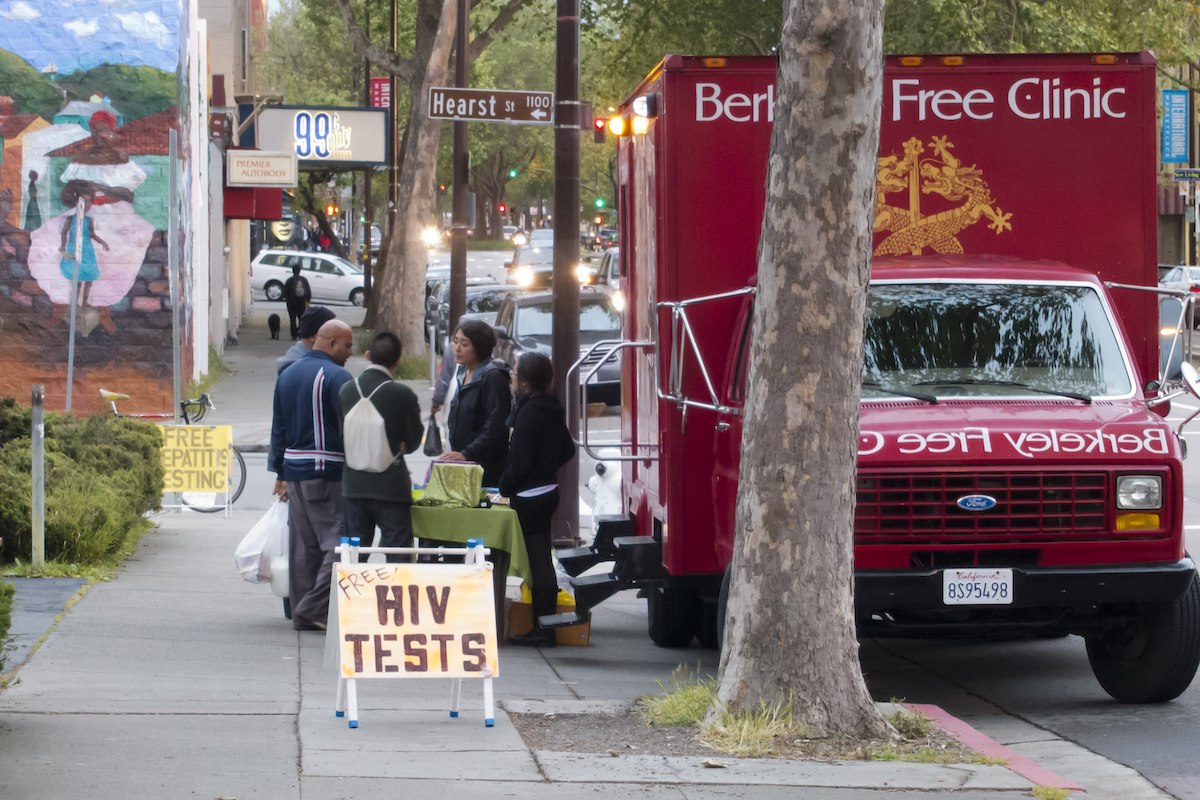
The Ryan White HIV/AIDS Program is the country’s safety-net program for people diagnosed with HIV, created in 1990 by Congress to ensure people with HIV could receive care, treatment, and support services regardless of their insurance status. The program serves more than half of all people diagnosed with HIV in the U.S., most of whom are low-income and members of historically marginalized groups, including people of color and LGBTQTIA+ populations. (For a clear overview, check out this primer on the program from KFF.)
A KFF report published on March 2 describes how constrained state budgets are leading states to cut back on the program, risking the ongoing high levels of viral suppression that have prevented much more widespread transmission of the virus in the U.S. An analysis presented at the annual meeting of the Conference on Retroviruses and Opportunistic Infections in February estimated that a complete loss of funding for the program would cause a 73% increase in HIV infections — approximately 117,431 new cases — in 30 states over just five years.
Two major components of the Ryan White program are Outpatient Ambulatory Health Services (OAHS), which provide primary care, prevention, and diagnostic services, and the AIDS Drug Assistance Program (ADAP), which provides ART to people without insurance and helps cover insurance premiums and copays. It’s the ADAPs in each state that do the heavy lifting in keeping viral suppression levels — and therefore new diagnoses — low, and it’s the ADAPs that are in jeopardy in nearly half of U.S. states.
So far, 18 states have already made or are making changes to limit eligibility to their programs and how much assistance it offers. Another five states are considering similar actions. Florida has been the first state to act, ending treatment assistance for 16,000 people.
In addition to the risk of increasing diagnoses from reduced viral suppression, limited access to ART can have another major negative impact: people who cannot afford their medication often try to stretch out their supply by skipping doses. However, partial suppression can allow the virus to develop resistance to that medication, requiring the person to switch to a different or additional drug.
KFF outlines multiple factors contributing to the budget challenges that are causing states to cut back funding: inadequate federal funding that has not kept pace with inflation; increasing clients enrolling in the programs; rising HIV drug costs, climbing insurance premiums; and the loss of Affordable Care Act subsidies that previously helped people purchase insurance (which is also contributing to increased enrollment in Ryan White programs).
What journalists can cover
Although not all states are currently considering cuts to the Ryan White program, the virus does not observe state borders. Reduced viral suppression and increased diagnoses in one state can spill over into other states. There are therefore opportunities for coverage in all markets:
- Use the Johns Hopkins portal to examine how different types of cuts to the Ryan White program would affect your state.
- Local and state HIV programs, including Ryan White, and advocacy groups can help identify how many people are living with HIV in your state, how many are served by the Ryan White program, what viral suppression rates are, and how loss of that program could affect people in your state. They can also connect you with people who can share their personal story.
- Explore what other safety net programs do (or don’t) exist in your city, county, or state for people living with HIV or who cannot afford their HIV-related care.
- Check the budget and bills in your state legislature to see past, current and proposed funding for Ryan White and other HIV-related programs.
Resources
- The Ryan White HIV/AIDS Program: The Basics, KFF
- The Ryan White HIV/AIDS Program, HHS
- The evolution of three decades of antiretroviral therapy: challenges, triumphs and the promise of the future, British Journal of Pharmacology
- 10 Things to Know About HIV Suppression, NIAID
- The History of HIV Treatment: Antiretroviral Therapy and More,WebMD
- The JHEEM portal shows how Ryan White program cuts would affect individual states.
- Study Warns of Large Increase in New HIV Cases in U.S. if Ryan White Program Ends, MedPage Today
- Constrained Budgets Lead States to Restrict HIV Drug Access Through Ryan White, KFF
- HIV drug resistance, WHO