Autism in the Hispanic population: A case study in adding diversity to clinical trials
By Magaly Muñoz, California Health Reporting Fellowship
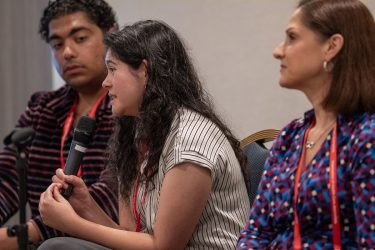
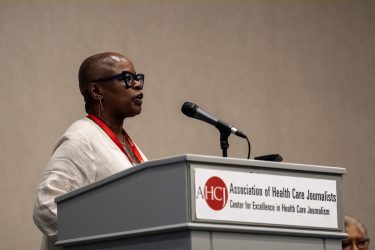
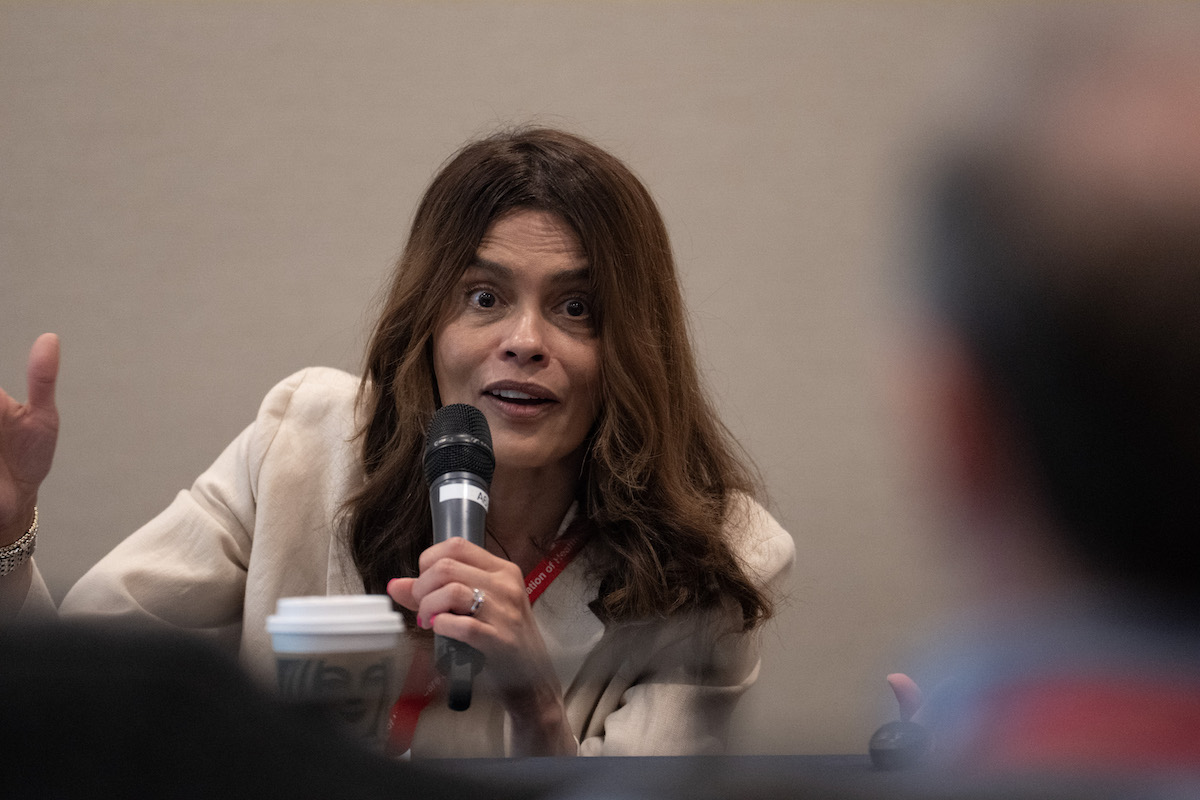
Health Journalism 2025 closed out with a conversation about autism case studies and clinical trials in Hispanic communities. Moderator Usha Lee McFarling, National Science Correspondent at STAT, led the conversation into why studying autism in diverse communities is essential, particularly in young children.
Bridget Fernandez, M.D., the principal investigator on one such study, said she wanted to focus particularly on Hispanic children because of the obvious lack of data and research done on people outside of those with European descent.
In the early 2000s, Fernandez explained, the CDC started monitoring autism prevalence in children through medical records, school reports and insurance claims. A significant amount of the studies focused on young white boys for several reasons, she said, such as lack of access to health care or school resources in areas where diverse communities reside.
Often, only people with severe autism symptoms were being diagnosed while leaving out those who required less intense support and had more independent functioning, she said, but over the years, this problem of underrepresentation has improved significantly.
Fernandez’s clinical researcher, Daniella Martello, gave a short presentation on how autism is correlated with variants in people’s DNA and what markers point to mutations that a genetic test will help them see. She said this presentation is often difficult to explain to families who have little to no background in the medical field, so it’s often best to use examples they’ll understand.
“For example, let’s say that you’re looking for your keys in your house and maybe you found something else [you weren’t thinking you’d find],” Martello said. “This is what we’re going to look for in your genetic testing, but we’re also going to be looking all around your house.”
Getting families to participate can also be difficult, Martello said. The stigma around one’s child being “different” from others is hard for families to accept, especially in Hispanic communities, she explained. Martello has met with dozens of families who hold a lot of guilt related to their child’s diagnosis and blame themselves for possibly passing on the trait.
This concept was a point of contention with case study participant Liset Valdivia’s family. Valdivia shared that her parents knew from very early on that her younger sister was not developing at the same pace as Liset or her older sister. With genetic testing, they were able to find out which parent had genes that have been linked to autism, which turned into a blame-game amongst her family.
But participating in the study with Fernandez has eased some anxiety and guilt with Valdivia’s parents, she said. She’s a huge advocate for Hispanic families who are experiencing similar difficulties with their children not getting the proper information, care or diagnosis. She urges families not to be scared of speaking up for their kids.
“It’s not a matter of using resources, it’s a matter of helping your child, and only you as a parent can only help your child,” Valdivia said. “No one else will be able to assist in the way that you can.”
Magaly Muñoz is a reporter with The Oakland Post.