A new USC-led study puts the total U.S. cost of dementia at $818 billion for 2026, but only about a quarter of that cost — 27 cents of every dollar — flows through the health system. The study accounts for factors often not included in other estimates of dementia’s financial consequences, such as lost wages, diminished quality of life, and the millions of hours of unpaid care provided by family and friends.
Researchers at the USC Schaeffer Center built the U.S. Cost of Dementia Model, a multi-year federally funded research project quantifying annual U.S. dementia costs. The model uses the Health and Retirement Study, Medicare and Medicaid administrative data, and a dynamic microsimulation that tracks individuals over time. They tracked how health, work, and caregiving interact across a diverse population, allowing them to factor in variables that prior studies left out.
The largest single cost — $320 billion — is quality-of-life loss among people living with dementia. Researchers modeled what outcomes would have looked like if those people had remained at the mild cognitive impairment stage rather than progressing to dementia, then multiplied the difference in quality-adjusted life years by $150,000 each. No prior national cost study had tried to quantify this effect.
Why this Matters
As longevity increases, so does the risk of dementia. The U.S. Census projects the population aged 85 and older will more than double by 2050. Dementia risk at that age is about 20% and continues to increase with age. Journalists can use this study as a starting point to explore many angles about this condition at the local, state, and national levels:
- Who are the unpaid family caregivers in your community? What work did they leave, reduce, or rearrange? Individual anecdotes can give these numbers real voices.
- Programs to help caregivers and those with the disease, such as the GUIDE model, are covered under Medicare. But access is uneven, and many people don’t know programs like it exist.
- The study shows a greater financial burden for Black and Hispanic families. They also tend to do more caregiving than their white counterparts. What accounts for these disparities? Local health systems and social service agencies can be good starting points to find answers.
- How does this cost compare to the 2025 report? Is it similar in your community, as the national numbers show? How well is your community/state prepared for an uptick in those with dementia at the same time that programs and services, especially those supported by Medicaid, are cut?
For the study, researchers broke down the costs of care across six main categories:
- Quality-of-life loss for people with dementia: $320 billion (39%)
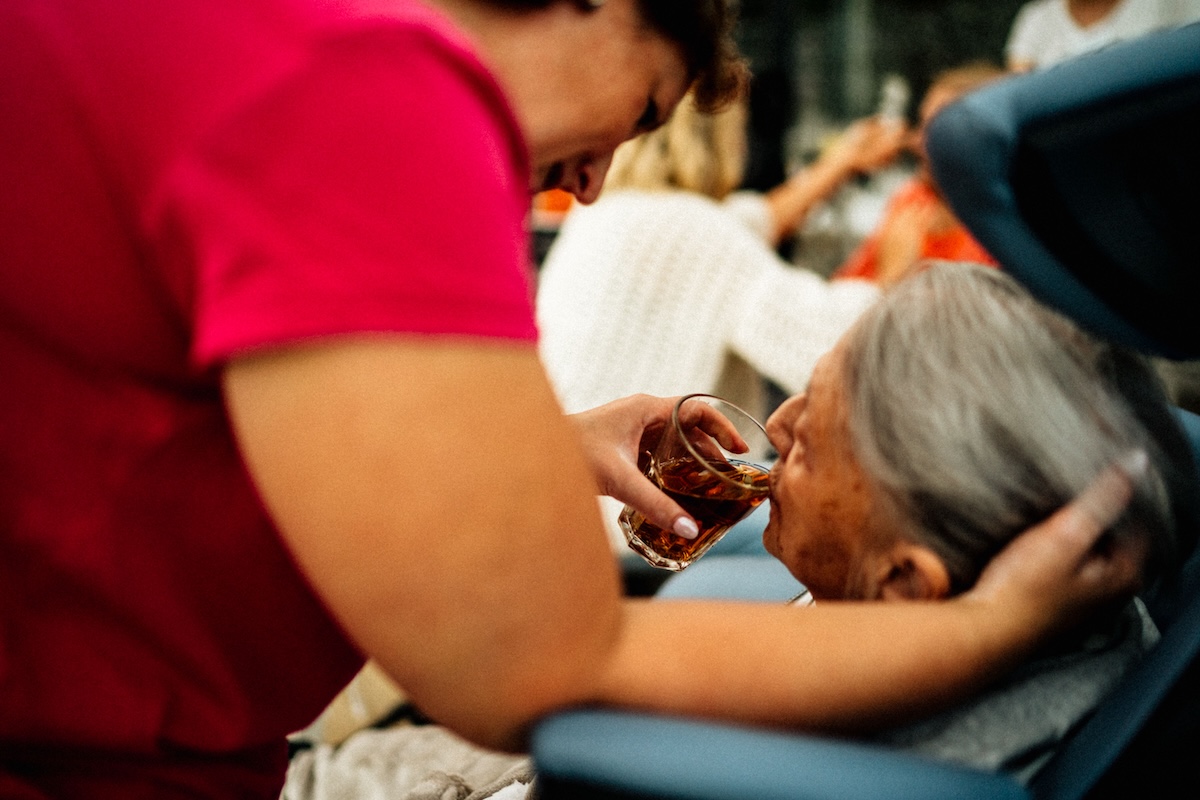
- Unpaid care from family and friends: $237 billion (29%)
- Medical and long-term care: $222 billion (27%)
- Quality-of-life loss for care partners: $15 billion (2%)
- Foregone earnings of people with dementia: $14 billion (2%)
- Foregone earnings of care partners: $9 billion (1%)
Of the $222 billion in direct medical and long-term care costs, Medicare covers about $110 billion and Medicaid $44 billion, or roughly 70% combined. Families absorb the remaining $46 billion out of pocket, an amount comparable to Medicaid’s entire contribution.
Unpaid caregiving has major financial repercussions
About 5.2 million people, many in their peak earning years, will provide 6.8 billion hours of care to someone with dementia this year, researchers said. The analysis estimated that unpaid labor is worth $237 billion. Add the $23 billion in earnings that people with dementia and their care partners forgo, and that becomes a quarter-trillion-dollar burden that isn’t included in most policy discussions focused on Medicare or drug spending.
There are also racial and ethnic dimensions complicating the picture. Non-Hispanic Black and Hispanic people make up approximately 34% of the dementia population but account for a slightly smaller share of total costs. The authors believe this reflects higher reliance on unpaid family care in those communities and lower use of institutional care. It’s unclear whether lack of access to formal services also plays a role.
“With our modeling approach, we can ask and answer questions such as how will a new treatment that slows dementia improve quality of life or affect demand for nursing home care?” said lead researcher Julie Zissimopoulos, co-director of the Aging and Cognition program at the USC Schaeffer Center, in a statement.
It’s important for reporters to know that the study measures total health spending by people with dementia, not costs caused by dementia, which researchers made clear. The $150,000-per-QALY value used to calculate quality-of-life losses is standard in health economics but somewhat controversial; the researchers acknowledge that a higher or lower figure would shift the results proportionally. The caregiver count comes from self-report by people receiving care, and recipients tend to underreport compared to what caregivers say they provide.
The model also doesn’t capture legal and financial planning costs, housing modifications, or the full scope of state-specific Medicaid programs, meaning the Medicaid estimate could be low.
The study, funded by the National Institute on Aging, was published in the June 24 issue of Alzheimer’s & Dementia: The Journal of the Alzheimer’s Association.
Resources
- Alzheimer’s Disease Research Centers (NIA-funded, with local resources)
- Alzheimer’s disease facts and figures, Alzheimer’s Association
- This AHCJ tip sheet on covering Alzheimer’s and dementia
- The costs of dementia care by US state: Medical spending and the cost of unpaid caregiving, Journal of Alzheimer’s Disease (2025)
- Cost of care for Alzheimer’s disease and related dementias in the United States: 2016 to 2060, NPJ Aging (2024)