
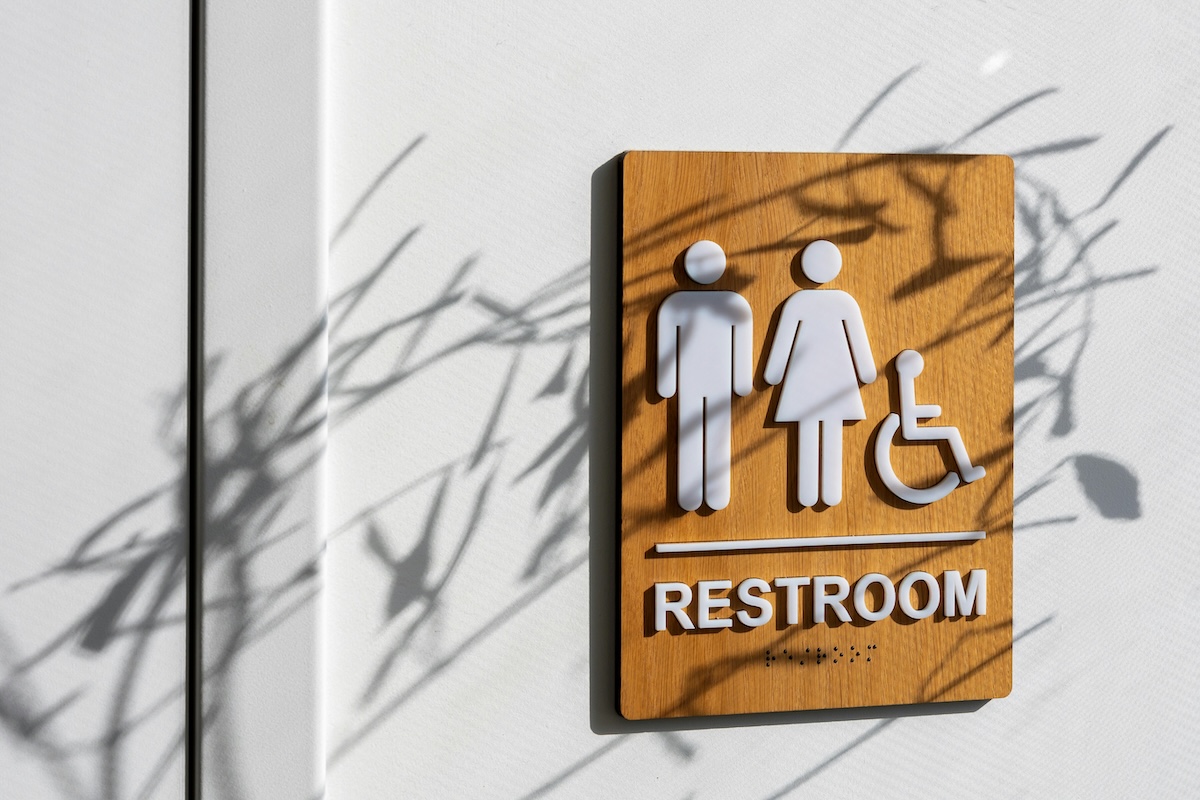
A new law in Idaho imposing strict limits on bathroom use for transgender people is the latest development as more states consider and pass similar measures. While much of the coverage has focused on legal and political implications, there is a substantial and growing body of health research that can deepen and sharpen reporting on this issue.
Laws governing public spaces shape daily experiences, stress levels, and health behaviors. Reporting that reflects this complexity can provide audiences with a clearer understanding of what is at stake.
Transgender and nonbinary youth already face elevated risks across multiple health indicators. Policies that affect their ability to navigate everyday environments safely can influence those outcomes in tangible ways.
What the research shows
Transgender and nonbinary youth already experience significantly worse mental health outcomes than their cisgender peers, including higher rates of anxiety, depression and suicidal ideation. Structural factors — such as restrictive policies and hostile environments — contribute to these disparities.
The minority stress model shows that stigma, discrimination and exclusion are strongly associated with negative health outcomes. Policies that limit access to everyday spaces, including restrooms, can intensify these stressors in ways that directly affect well-being.
What the policy is intended to do — and why some support it
Supporters of bathroom restriction laws often say the policies are designed to protect privacy and safety in sex-segregated spaces such as school restrooms and locker rooms. They argue that clear rules based on assigned sex at birth provide consistency and reduce the risk of inappropriate behavior in spaces where people may be undressed or otherwise vulnerable.
A more pointed version of this argument, which is frequently used in political messaging, is that such laws are necessary to protect women and children from sexual predators. This framing has been widely circulated in debates over transgender access to public spaces and is often central to how these policies are justified to the public.
Guidance from groups like GLAAD highlights that these arguments are rooted in misleading narratives that falsely suggest nondiscrimination protections enable predatory behavior. Debates around bathroom access frequently include claims about safety. Existing research has not found an association between inclusive bathroom policies and increased rates of assaults in restrooms. At the same time, surveys consistently show that transgender individuals report high levels of harassment and safety concerns in public facilities.
Some parents and advocacy groups also frame these laws as a way to address concerns about fairness, especially in shared school environments. For journalists, including these perspectives helps explain why the issue resonates with some communities and why the legislation continues to gain traction in multiple states. At the same time, coverage should remain grounded in the experiences of transgender people, who are the primary subjects of these policies. Centering their perspectives alongside evidence about health and safety impacts helps ensure reporting reflects who is most directly affected, rather than allowing secondary narratives to dominate the story.
Careful sourcing and clear presentation of evidence can help navigate competing claims and researched evidence. Also, look to existing guidance on covering these issues. The Trans Journalists Association’s stylebook and coverage guide includes a detailed section on anti-trans laws and policies, with specific recommendations for reporting on bathroom restrictions. It emphasizes accuracy in language, avoiding sensationalism, and grounding stories in both evidence and the experiences of transgender people themselves.
How policies shape daily health
Bathroom restrictions are often part of a broader set of policies affecting transgender youth, including limits on gender-affirming care and participation in school activities. More than half of transgender youth in the U.S. live in states with at least one such restriction.
Access to bathrooms may seem like a basic logistical issue, but it has clear implications for physical health. Cumulative exposure to these policies matters. Layered stressors — legal, social and interpersonal — can compound risk and contribute to widening health disparities. Coverage that situates a single law within this broader context can help audiences better understand its significance.
When individuals feel unsafe or fear confrontation, they may avoid using public restrooms altogether. Research and clinical accounts have linked this behavior to dehydration, urinary tract infections and other complications, especially among students who spend long hours in school settings.
There are also secondary effects tied to avoidance. Students who feel unsafe at school may skip classes, leave campus or disengage from school activities altogether — all factors that can influence both educational and health outcomes over time.
Bathroom restriction laws often raise practical questions about how they are implemented. Determining who can use which facility, and how that determination is enforced, can create uncertainty for institutions and individuals alike. Reporting has highlighted concerns from law enforcement and school officials about the feasibility and intrusiveness of enforcement.
Opportunities for deeper health reporting
Covering laws like Idaho’s through a health lens involves asking different kinds of questions:
- How are clinicians, school nurses and mental health providers seeing these policies affect young patients?
- Are there changes in health service utilization, absenteeism or crisis intervention following policy shifts?
- What do existing public health frameworks — such as minority stress theory — suggest about long-term impacts?
These approaches can move coverage beyond statements from policymakers and advocates to include the lived and measurable health consequences.