The Centers for Medicare and Medicaid Services announced in early November that all 50 states had submitted applications for grants from its $50 billion Rural Health Transformation Program, an initiative aimed at strengthening health care across rural America. States had been invited to design and submit plans to transform rural health care in their locales under the program, authorized as part of the One Big Beautiful Bill Act.
CMS will announce its awardees by Dec. 31, and funding will be distributed over five years beginning fiscal year 2026, the announcement said. The program will distribute $10 billion annually from 2026 through 2030. Half of those payments will be distributed equally among states whose plans are approved; the balance will be distributed to states at CMS’s discretion.
Journalists can find interesting stories by reviewing what states intend to do if selected. They can focus on local/regional angles or, nationally, on the types of solutions proposed, as well as reporting on the winning projects, either in early 2026 when they start or at any time over the next five years.
State Health and Value Strategies, a program supported by the Robert Wood Johnson Foundation, features a clickable map on its website that links to state applications or summaries.
What do states have planned?
Several states’ plans have been publicized. Here are a few examples:
- Delaware plans to establish its first-ever medical school and create Hope Centers in two counties to provide integrated housing, primary care, behavioral health and social services for homeless rural populations, USA Today reported. It also aims to expand training programs for rural clinicians, support tech companies developing remote monitoring tools and wearable health devices for rural residents, and offer financial rewards to Delaware medical students who commit to practicing in rural locations, among other initiatives.
- North Carolina plans to establish “NC ROOTS” hubs, locally governed, community-tailored networks to connect medical, behavioral and social services to offer comprehensive care in one place for rural residents. Its plans also include increasing digital literacy programs to ensure rural residents can access connected care and scaling up programs for primary care access, food as medicine, diabetes and hypertension management, cancer screening and perinatal health.
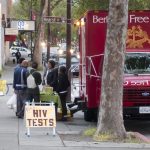
- Massachusetts’ application envisions mobile health care units that bring medical tests to isolated residents and dispense medicines, WBUR reported. The state also would enlist paramedics for routine chronic disease management and explore ways to make it easier for nurses and other health workers to begin training in high school. And, it wants to connect more rural clinicians to the state’s health information exchange.
- Missouri announced plans to create a regional network connecting providers, pharmacies, public health agencies and at-home resources; expand access to primary care, behavioral health and maternity services; and strengthen specialty care through telehealth and patient-focused technology, Newsweek reported.
- Mississippi plans to ensure every person in rural parts of the state has reliable access to high-quality health care, including through telehealth, by 2031.
- North Dakota centers around four main initiatives, such as strengthening the rural health workforce and connecting technology, data and providers, Newsweek said.
- Washington proposes allocating $15- $18 million per year to create a provider technology fund to help providers expand access to high-quality care, Healthcare Innovation reported. Providers could use funds to purchase new technologies to enable remote services and improve health outcomes through remote patient monitoring, or to boost operational improvements, such as by integrating AI tools into administrative or clinic workflows. The state also wants to use funds to boost the University of Washington’s ECHO program that offers a tele-monitoring and education platform for clinicians.
- Iowa plans to use the Hometown Connections initiative to pair hospitals together. This would allow rural residents to receive primary care close to home while also receiving access to specialty care at a nearby “Health Hub,” according to Healthcare Innovation. The state also plans to co-locate multiple types of health care service lines in rural areas, called Communities of Care.
- In Wyoming, funds could be used to improve coordination of care for Medicare/Medicaid-eligible patients at high risk of chronic disease. Alabama’s application focuses on establishing a statewide telehealth network and remote monitoring capacity linking rural providers to specialty hubs, Healthcare Innovation reported.
- Alabama also plans to expand maternal health services through telerobotic ultrasound and to develop regional specialty networks for oncology screening.
- Montana plans to launch a rural health center of excellence to study analytics from ongoing initiatives for a deep analysis of rural community disease burden projections and inpatient and outpatient utilization trends, according to Healthcare Innovation. It also plans to expand technical support for primary care providers participating in the state’s Primary Care Case Management Program.
Unclear if rural hospitals will benefit
One caveat to watch: Unlike previous federal relief efforts, this program does not provide direct payments to rural hospitals, Becker’s Hospital Review and Health Affairs reported. Instead, CMS will issue grants to individual states, which are not legally required to direct any money to rural hospitals. States must also submit an annual report. However, continued funding is not contingent upon states meeting their goals. States can fulfill their program requirements without allocating funds to rural hospitals, such as using large national vendors or technology firms over local providers, the news outlets noted
Resources
- All 50 States Seek to Transform Rural Health with CMS – CMS news release
- Tracking State Releases of Rural Health Transformation Program Applications – State Health & Value Strategies
- A First Look at States’ Rural Health Transformation Ideas – Healthcare Innovation
- How Delaware wants to transform rural health care with federal money – USA Today
- Delaware working with familiar Philly health system for medical school – Delaware News Journal
- Alaska legislative committee approves up to $200 million in federal spending on ‘rural health transformation’ – Anchorage Daily News
- North Carolina applies for $200M in federal funding for Rural Health Transformation Plan – WLOS
- States Submit Plans for Rural Health Transformation Funding – Newsweek
- Mass. Wants to transform rural health care. But it needs the feds to help fund it – WBUR
- Will hospitals benefit from $50B rural health program? – Becker’s Hospital Review