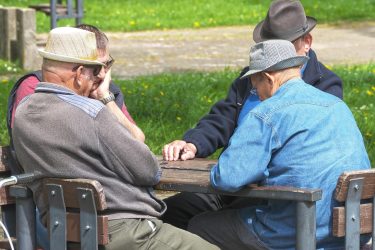
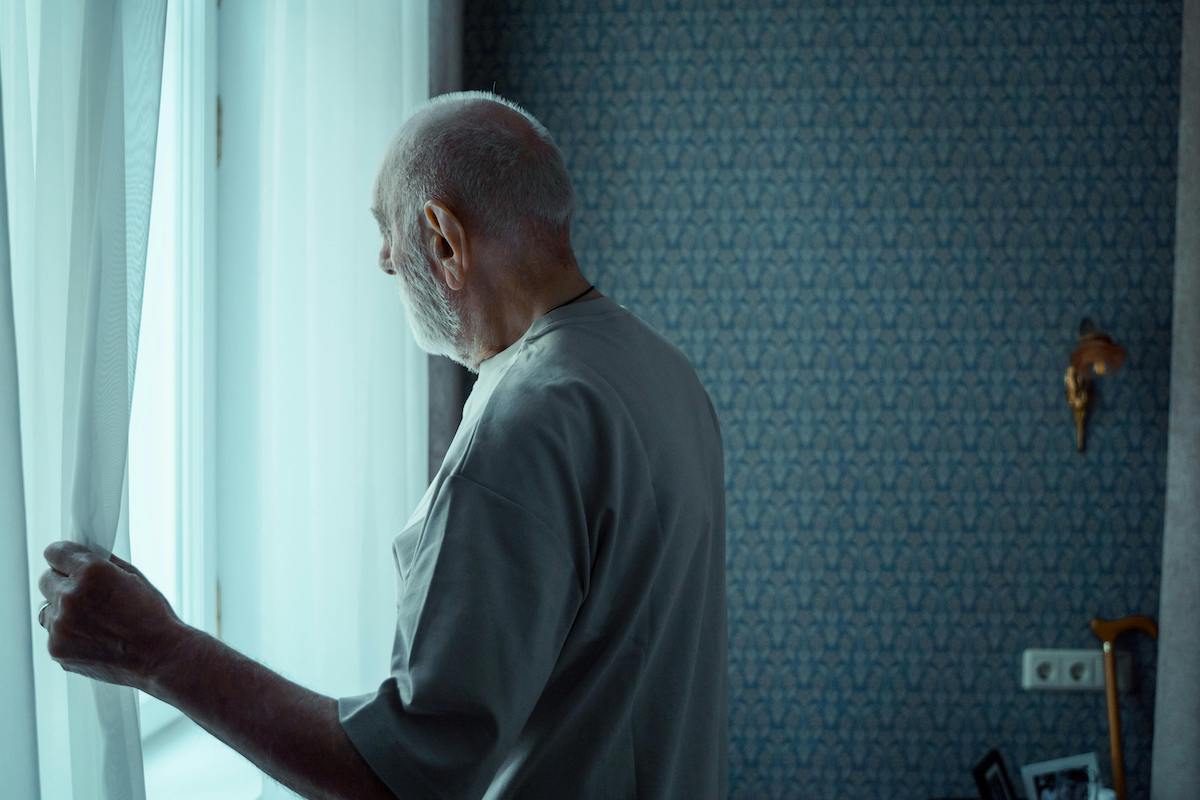
Older adults who live alone visit emergency departments significantly more often than those living with a spouse, according to preliminary research that underscores the health consequences of social isolation among U.S. elders.
Researchers found that socially isolated older adults averaged 67.8 emergency department visits per 100 beneficiary-years, compared to 47.9 visits among those living with a spouse. The pattern held true for both men and women. Results suggest that screening for social isolation and connecting individuals to community resources could reduce emergency care utilization while improving health outcomes in a rapidly growing population
The study, currently awaiting peer review, evaluated nearly 48,000 beneficiary-years of Medicare data. This method compares people who were tracked for different lengths of time by analyzing emergency visits per year of follow-up, so the results would be fair across groups.
“Many patients in the emergency department don’t have family in the area, and I wonder if there is some sort of benefit to them from the social interaction from that visit” said Cameron Gettel, M.D., lead study author and assistant professor of emergency medicine and a clinical investigator for the Center for Outcomes Research and Evaluation at Yale School of Medicine. Gettel presented the topline analysis at the American College of Emergency Physicians conference in September.
Why this Matters
The findings point to a gap in how the health care system addresses social determinants of health. While social isolation has been linked to adverse health outcomes comparable to smoking and obesity, its role in emergency care utilization has remained under-explored until now. Journalists can connect with local hospitals to see if they are tracking this pattern, how they are addressing issues of social isolation and whether hospitals are using an age-friendly approach towards elder care.
Emergency departments are facing crisis-level boarding and overcrowding. Gettel said that addressing social isolation could help reduce avoidable ED visits while treating patients in more appropriate settings.
“The more that we can keep older adults out of the delirium-inducing emergency department, where they may be boarding, the better,” he said.
The impact extends beyond hospital crowding. Previous research by Gettel’s Yale colleague Thomas Gill, M.D., has shown that even older adults who visit the emergency department and are discharged experience functional decline in the months that follow, suggesting that ED visits themselves carry risks.
Measuring What Matters
Gettel sees opportunities to address social isolation through the Age-Friendly Health Systems framework, which requires health care organizations to screen for social vulnerability. He envisions using brief assessment tools — such as the three-item UCLA loneliness scale — in emergency departments and connecting at-risk patients with case managers or community resources.
“If you want to improve something, the first thing you have to do is measure it,” Gettel said. He views the emergency department visit as a “sentinel event” when patients and families are receptive to screening and intervention.
The challenge lies in distinguishing between social isolation and loneliness, which don’t always overlap. Someone living alone might maintain active social connections through clubs or activities, while someone living with family could feel profoundly lonely.
“There is definite nuance to that,” Gettel said. “It’s not a one-size-fits-all.”
A reactive system
The findings highlight health care’s tendency toward reactive rather than proactive approaches.
“We’re really bad as a society at being proactive from a financial investment perspective — investing in social networks and ways to connect with older adults upfront,” Gettel said. “We take the reactive approach of letting it fester, and then we’ll pay the finances that are going to be more costly.”
For rural older adults, the challenges multiply. Hospital closures, physician shortages and geographic isolation create barriers that technology alone may not solve, despite increased adoption of telehealth since COVID-19.
The study population, which included more than 22,000 socially isolated older adults, was predominantly female (53%) and white (86%), with a mean age of 75. Among those living alone, more than half were widowed, while others were divorced, separated or never married.
Resources
- Emergency department boarding and crowding, American College of Emergency Physicians
- Loneliness, social isolation, and living alone: a comprehensive systematic review, meta-analysis, and meta-regression of mortality risks in older adults, Aging and Clinical Experimental Research, 2025
- Loneliness and Social Isolation Among US Older Adults, JAMA, 2024
- Social isolation and loneliness: State policies and interventions for the post-COVID era, The Council of State Governments
- Reducing social isolation and loneliness among older people, The World Health Organization