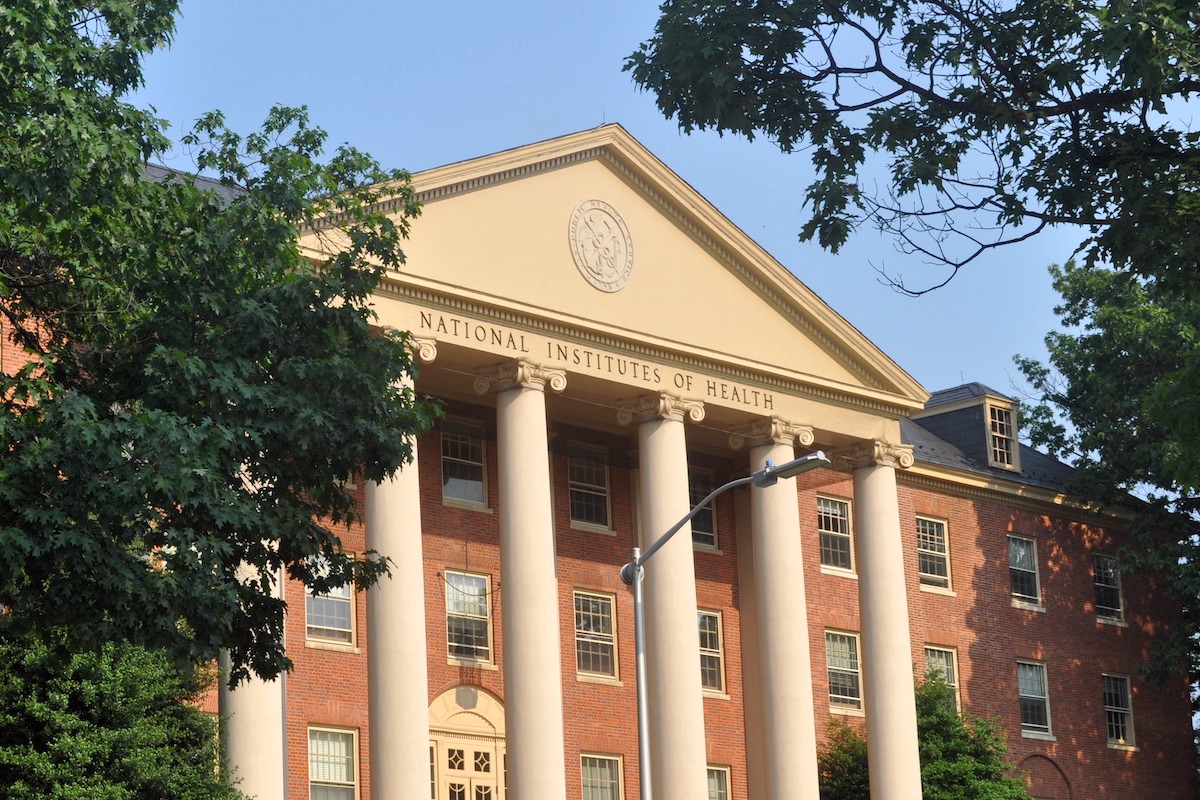
In mid-August, the New York Times reported that the National Institutes of Health was canceling dozens of research grants tied to diversity, equity and inclusion initiatives. Just a week later, the U.S. Supreme Court allowed the Trump administration to move forward with nearly $800 million in NIH cuts, a decision that will stall or end hundreds of studies on cancer, Alzheimer’s, HIV prevention and maternal health.
Some of the hardest-hit projects were aimed at reducing health disparities. For example, one researcher at the University of North Carolina Chapel Hill lost a $2.4 million study on Black maternal health that was canceled in the middle of her work.
Funding decisions don’t just affect research labs — they ripple outward to communities whose health depends on evidence-based interventions. The challenge for reporters now is to explain both the immediate and long-term consequences of these cuts while navigating politically charged rhetoric around so-called “woke science.”
Explaining why the cuts matter
Start by connecting the dots between policy decisions in Washington and the real-world impact on public health. NIH funding supports thousands of studies that inform everything from cancer screenings to maternal mortality interventions. Without this support, researchers lose the ability to collect long-term data, train the next generation of scientists or translate findings into community health programs.
Health equity research is especially vulnerable because these studies often examine the structural factors — such as race, income, or sexual orientation — that influence health outcomes. By design, they touch politically sensitive ground. When reporters explain why these studies matter, it helps the public see them not as abstract grants but as work that determines who gets to live longer, healthier lives.
Covering the ‘woke science’ debate
Critics have labeled DEI projects as “woke science,” suggesting that they are rooted in ideology rather than evidence. That framing, however, ignores the fact that DEI in research simply means studying differences in health outcomes across groups and looking for solutions to reduce disparities. For example, understanding why Black mothers in the U.S. are three times more likely to die during childbirth than white mothers is not political — it is a scientific and public health question.
Resist political rhetoric by instead providing context about what DEI research entails and why it is recognized as valid and necessary by leading medical journals and public health institutions. Quote scientists and ethicists who can explain the rigor of these studies and push back on efforts to dismiss them as agenda-driven.
Humanizing the story
Funding debates can feel abstract to the public, so it is crucial to humanize the story. Interview researchers who lost funding and ask what it means for their careers and communities. Dr. Slaughter-Acey’s canceled maternal health study, for example, could have provided vital insights into preventing deaths among Black mothers and infants. Talking to participants who were enrolled in these studies can also help readers understand the human cost of cutting research short.
The Bethesda Declaration, a letter signed by nearly 40,000 researchers, medical professionals and supporters warning that political interference is undermining scientific integrity, is another powerful entry point. Documents like these can be used to show that even inside federal agencies, there is deep concern about the long-term damage these cuts could cause.
Finding reliable data and sources
Going forward, reporters must independently track funding decisions closely. NIH maintains public databases of grant funding, which can help reporters see which projects have been cut or delayed. Congressional hearings and budget proposals are also key sources for understanding how much money is at stake and where it might be redirected. Court filings and rulings, such as Judge William Young’s decision earlier this year that the cuts were discriminatory, provide legal context that adds depth to coverage.
Watchdog organizations like the Government Accountability Office (GAO) and nonprofit investigative outlets such as ProPublica often analyze federal spending and can serve as valuable resources. Reaching out to scientific associations and advocacy groups can also help reporters identify stories of canceled projects that may not yet have been covered by news outlets.
Additional resources
Here are a few additional resources to inform your reporting on funding cuts and health equity research:
- NIH RePORTER Database. The NIH’s Research Portfolio Online Reporting Tools (RePORTER) allows you to search awarded grants, track active and canceled projects and see which institutions or communities are affected. It’s one of the most direct ways to follow the money.
- Kaiser Family Foundation (KFF) Health Policy Analysis. KFF regularly produces accessible, data-driven reports on health equity, funding trends, and the impact of federal policies on marginalized groups. Their analyses can help you translate complex funding issues into plain language for readers.
- National Academies of Sciences, Engineering, and Medicine (NASEM). NASEM issues independent reports on public health, medical research priorities and disparities. Their consensus studies often provide historical context and scientific validation for why DEI-focused research matters.
- Health Affairs Forefront & Health Affairs Scholar. The journals Health Affairs Scholar, Health Affairs and its policy blog Forefront publish timely articles from researchers, policymakers, and practitioners on health disparities, funding and the social determinants of health. These pieces can provide peer-reviewed research, expert perspectives and story leads.