Most publications in 2025 write about the pandemic as though it’s over, but as of February 15, 2025, 1.1% of all U.S. deaths in the past week were due to COVID-19. Even in 2023 — the most recent year for which data are available — COVID-19 remained one of the top 10 causes of death in the U.S., and long COVID continues to be a major cause of disability in the country.
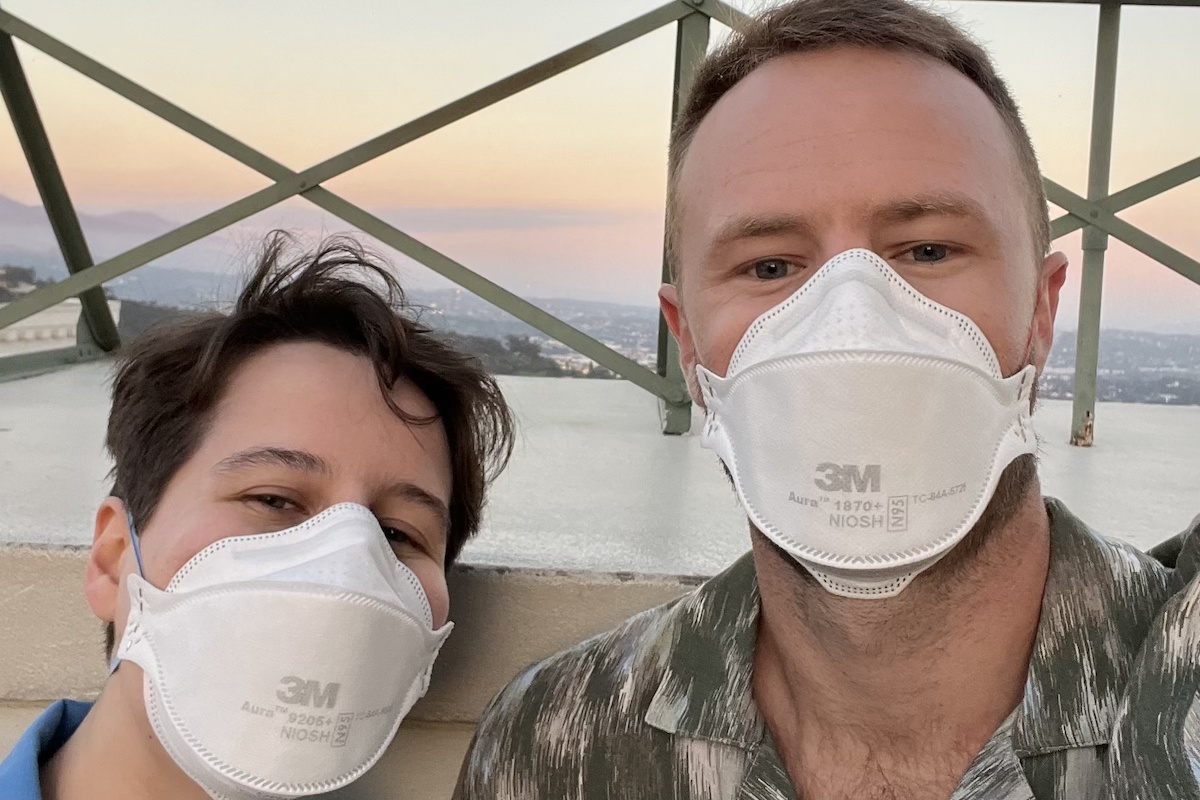
Frustrated with how the pandemic, COVID-19 information, and, especially, people living with long COVID have been left behind by mainstream media coverage, journalists Betsy Ladyzhets and Miles Griffis founded The Sick Times in 2023. The publication covers all aspects of COVID-19 and long COVID, including policy, research, lifestyle, and those affected by both conditions and myalgic encephalomyelitis/chronic fatigue syndrome (ME/CFS).
Lazyzhets and Griffis shared with AHCJ how the publication came about, how they secured funding, what guides their editorial philosophy, and how contributors can write for The Sick Times. This is part one of a conversation that has been edited for brevity and clarity. Read part 2 of this conversation here.
How did the idea for The Sick Times come about?
Miles: Betsy called me one day in summer of 2023 and asked if I wanted to start a publication specifically on long COVID. We’d been in touch for a couple of years, commiserating about how hard it was to cover the ongoing pandemic and long COVID as our country and colleagues went “back to normal.”
I immediately said yes. Over the fall, we began planning what we wanted it to look like, speaking with people with long COVID, other journalists, medical providers, researchers, disability advocates and other experts. Then, we launched The Sick Times in November 2023.
Mainstream media has largely been terrible on the pandemic — often referring to it in the past tense despite continued disease spread — and played an active role in minimizing or ignoring long COVID. We were inspired by how Poz magazine covered HIV in the 90s and continues to do [so] today. We wanted a publication that centers on people with long COVID, while also reporting rigorously on the science and holding powerful actors accountable.
Betsy: Prior to starting The Sick Times, I ran an independent blog and newsletter focused on COVID-19 data for over three years. (I also took part in CUNY Newmark’s Entrepreneurial Journalism Creators Program with that project in 2020-21.) This project, while smaller in scope, helped me to see that there was a real appetite for continued, dedicated coverage of the pandemic and its impacts. Even when I had a hard time landing freelance pitches about COVID-19 and long COVID at popular science outlets, my newsletter retained loyal readers.
That experience, combined with inspiration from other worker-led publications like Hell Gate and Defector, led me to the idea of a larger publication serving the long COVID and related disease community.
What steps did you take in planning and securing funding?
Miles: We launched our nonprofit publication as a newsletter, WordPress site, and a few social media channels from the start and slowly built a reader base without secured funding. From the start, we knew a nonprofit structure made the most sense for our newsroom. Luckily, MuckRock (where Betsy had previously worked as a journalism fellow) took us under their wing as one of their fiscally sponsored projects, which allowed us nonprofit status without having to go through the lengthy 501c3 process ourselves.
While we had applications out for grants when we launched, we largely worked for free for the first six months, relying on other paid freelance work. Eventually, we were fortunate to receive a grant for $250,000 from Kanro that helped us have a somewhat sustainable rate, a bigger freelance budget, and two part-time positions, an engagement editor (Heather Hogan) and a podcast producer (James Salanga). We’ve since been able to raise another $115,000 in our 2024 end-of-year fundraiser, thanks in large part to the Institute for Nonprofit News’ NewsMatch program. Still, we’re learning a lot about how we can be more sustainable financially.
My advice if starting your publication is to start it small as a part-time or hobby gig, perhaps from a newsletter or blog, and slowly expand it over time and across socials.
Betsy: Adding to Miles’ advice, I think it helps a lot to have an established reputation for a specific topic or with a specific community — which we both did from our prior work as freelancers. I’ll never forget one of our early calls with a long COVID advocate who said he thought we had already gained trust in the community and would quickly build an audience. He was right!