
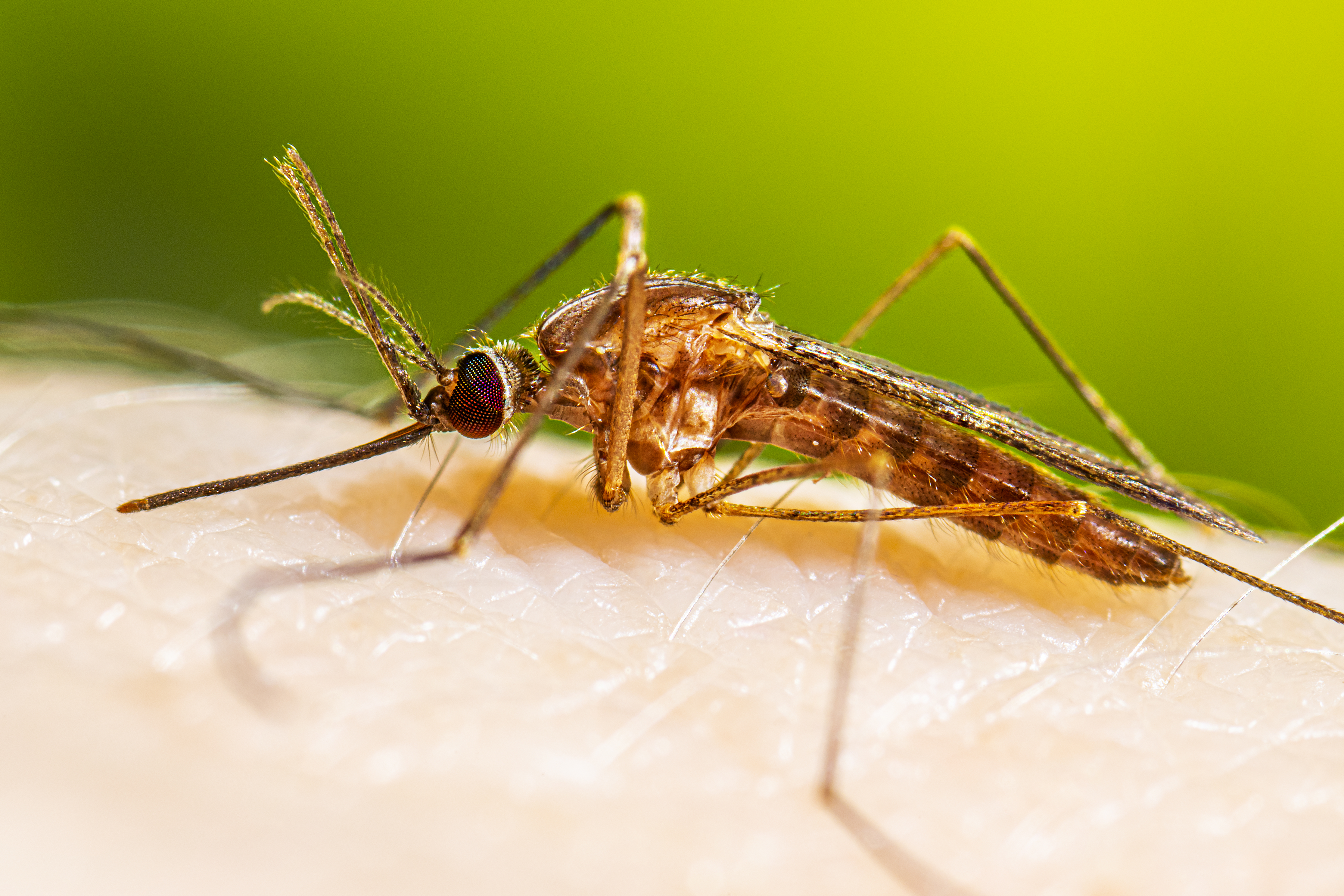
Dengue, malaria, West Nile, Zika … most people have heard of these diseases. But far fewer people are familiar with chikungunya, a tropical disease likely to increase with the continuing effects of climate change.
One reason chikungunya gets so little respect is that the size of its potential health and its economic burden have been underestimated. Authors of a recent study published in BMJ Global Health sought to raise its profile by publishing the first global assessment of chikungunya’s global burden.
The findings underscore the importance of becoming familiar with the disease itself and its epidemiology. For reporters serving markets along the southern U.S. border, it’s even more important because journalists in those regions should be prepared to inform the public about the threat of chikungunya and its symptoms. Those planning to travel outside the U.S. will also need to be informed.
Some basics about chikungunya
Chikungunya is a mosquito-borne viral disease like dengue, Zika, and West Nile virus, and it shares enough of the symptoms of those viruses that it’s often misdiagnosed and underdiagnosed. It’s carried mostly by the Aedes aegypti and, to a lesser extent, Aedes albopictus mosquitoes.
Though there is no treatment besides supportive care — like the aforementioned mosquito-borne diseases — there is a vaccine against chikungunya. The FDA approved Ixchiq as the world’s first chikungunya vaccine in November 2023 based on a phase 3 trial showing that 99% of those receiving the vaccine developed neutralizing antibodies within a month.
It’s a single-dose vaccine for adults recommended only for two groups: those traveling to a country or region with a chikungunya outbreak, and those traveling to an area that has had human transmission of chikungunya within the last five years and who are either over age 65 or planning to stay in that area for at least six months.
So far, the virus has been rare in the U.S., with most cases in Africa, Asia and Central and South America. Nearly all U.S. cases have been in travelers, but there has been local transmission in Florida, Texas, Puerto Rico and the U.S. Virgin Islands. Several infectious disease experts I’ve spoken with in recent years have expressed concerns that chikungunya will eventually become more prevalent in the U.S. as global temperatures continue rising and more parts of the U.S. become tropical.
Recent study’s findings
In the new (open-access) study, Adrianne Marije de Roo of the University of Groningen in the Netherlands and her coauthors used modeling to calculate the disability-adjusted life years (DALYs) caused by chikungunya as well as the total global cases and the direct and indirect costs of acute and chronic chikungunya between 2011-2020.
The numbers — though modest compared to dengue and malaria — are still striking. There were 18.7 million chikungunya cases in 110 countries during that decade, which resulted in 1.95 million DALYs, $2.8 billion in direct costs and $47.1 billion indirect costs. (One DALY is the loss of one year of full health.) The biggest contributor to cost and DALYs was long-term chronic illness from the disease.
“Especially in combination with its unpredictable nature, chikungunya could significantly impact local health systems,” the authors wrote. “Insights from this study could inform decision makers on the impact of chikungunya on population health and help them to appropriately allocate resources to protect vulnerable populations from this debilitating disease.”
Though that final sentence is directed primarily at public health experts and policymakers, it should also be a wake-up call to health journalists that chikungunya is not to be underestimated. Most of the health and economic burden has fallen on Latin America and the Caribbean.
During the decade studied, that region had about 3 million reported cases, which was adjusted up to 14.9 million after the researchers accounted for underreporting. That region accounted for the lion’s share of costs — $2.5 billion in direct costs and $40 billion in indirect costs — and in nearly 1.6 million DALYs. The second highest regional number of cases was 2.3 million (after adjustment for underreporting) in Southeast Asia, East Asia, and Oceania.
While chikungunya’s transmission is limited to the epidemiology of its mosquito vectors — it cannot be transmitted human-to-human — modeling studies predict an increase in transmission as climate change expands the range of A. aegypti and A. albopictus mosquitos, including in Europe. The Zika outbreak in 2015-2016 could be a harbinger of a similar outbreak of chikungunya that would be hard to predict.
Story ideas
- Is an area you write for at risk of chikungunya transmission, such as parts of Florida and Texas? If so, how prepared are local public health authorities to educate the public about the disease and respond to an outbreak? Are they doing surveillance and counting cases?
- What developments are occurring in therapeutics for treating chikungunya?
- The vaccine is relatively new. What kind of real-world effectiveness does it have, and is there a possibility its availability will be expanded to those under age 18?
- What are popular travel destinations for your readers, viewers or listeners? If Latin American or Caribbean destinations are common, travelers should be aware of this disease, the risk in specific areas and the vaccine recommendations.
- What do we know about the long-term effects of infection, which make up the bulk of the cost burden? How do they compare to the effects from other tropical diseases, like malaria or dengue, or to long COVID?
- What do we know about the potential impact on a fetus if a chikungunya infection occurs during pregnancy since this became the biggest concern with Zika? What would an outbreak of chikungunya mean in states like Texas and Florida, which have abortion restrictions?
Resources
- Chikungunya Fact Sheet, WHO
- Chikungunya in the United States, CDC
- Areas at Risk for Chikungunya, CDC
- Chikungunya, Climate Change, and Human Rights from Harvard’s Health and Human Rights
- Checking on Chikungunya, NASA
- Temperature and transmission of chikungunya, dengue, and Zika viruses: A systematic review of experimental studies on Aedes aegypti and Aedes albopictus, Current Research in Parasitology and Vector-Borne Diseases