

Those of us who cover medical studies on a regular basis are always looking for ways to uncover new and…
One of the best ways to become a better health journalist is to find out what the best in the…
Sometimes you have to learn things the hard way to get them right the next time – even when you…
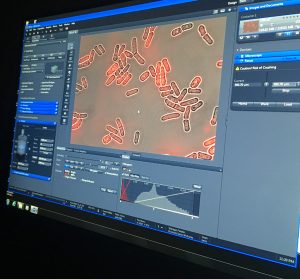
I just returned from the Logan Science Journalism Fellowship program at Marine Biological Laboratory in Woods Hole, Mass., and I’m…
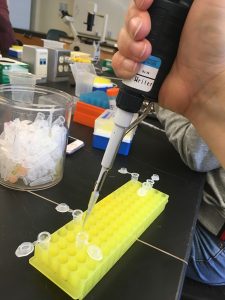
It’s not difficult to understand why clinical trials are so incredibly expensive. There’s the recruitment of the participants and their…
Every journalist covering medical and other types of scientific research should read this thought-provoking open-access article recently published in PNAS:…
Surveillance is the process or system for tracking cases of risk factors, medical conditions, disease cases, adverse events, etc. It…
The second season of 13 Reasons Why, a controversial teen drama TV show, premiered May 18 on Netflix. Throughout its first…
We are well into the age of Big Data, in which researchers may use databases or another dataset with data…
Looking for p-hacking or other statistical red flags is challenging, particularly for journalists who don’t have training in statistics or…