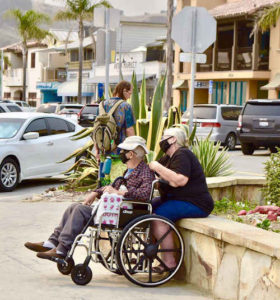

Approximately 80% of COVID-19 related deaths in the United States have been among people 65 or older, according to the Centers for Disease Control and Prevention. But a research letter published online in JAMA Internal Medicine on Sept. 28 reported that more than half of COVID-19 clinical trials were “at high risk for excluding older adults,” and none included seniors as part of vaccine trials early in the pandemic.
Despite a National Institute of Health policy mandating the inclusion of older adults in appropriate clinical trials, older adults were left out more often than not as scientists struggled to get a handle on the coronavirus. Researchers found that 53% of trials they reviewed did not include those older than 65 for a variety of reasons, including compliance concerns, co-morbid conditions or technology requirements. About one in four of the trials reviewed by the researchers included an age “cutoff” that would exclude adults age 65 to 80, as UPI reported.
Researchers analyzed all active or planned clinical trials, indexed in www.clinicaltrials.gov between Oct. 1, 2019 and June 1, 2020, that had been specifically intended for prevention or treatment of COVID-19. Because of the expedited nature of most current trials and the multiple phases included in many indexed trials, they opted to review all trials in all phases simultaneously.
Out of an eventual 847 clinical trials meeting review criteria, the study found that in 232 phase 3 trials, 38 (16%) included age cutoffs and 77 (33%) had exclusions preferentially affecting older adults. The analysis determined 115 (50%) trials were considered high risk for excluding older adults. Of 18 vaccine trials, 11 (61%) included age cutoffs and the remaining 7 had broad non-specified exclusions. Thus, 100% were considered high risk for excluding older adults, they found.
“Such exclusion will limit the ability to evaluate the efficacy, dosage, and adverse effects of the intended treatments,” the research letter said. “We acknowledge that some exclusions for severe or uncontrolled comorbidities will be essential to protect the health and safety of older adults. However, caution must be taken to avoid excluding otherwise eligible participants for reasons that are not well-justified.”
The research team did acknowledge that they did not conduct a detailed review of every study protocol and so could not thoroughly analyze the appropriateness of certain comorbidity exclusions.
Antibody response decreases with age, so dosage and frequency of potential vaccines may be vastly different than for younger adults or children, the authors noted. Including this cohort in any trials was imperative, they said and questioned whether physicians and older adults might balk at treatments or vaccines that lacked more data on efficacy, titration, and side effects among this cohort.
Journalists may want to speak with physicians, nurses and other health professionals about whether they would feel comfortable giving a treatment or vaccine to an older adult if data on this demographic was limited or non-existent. How do older people feel about taking a vaccine whose efficacy and regimen may not be clear for their age group?