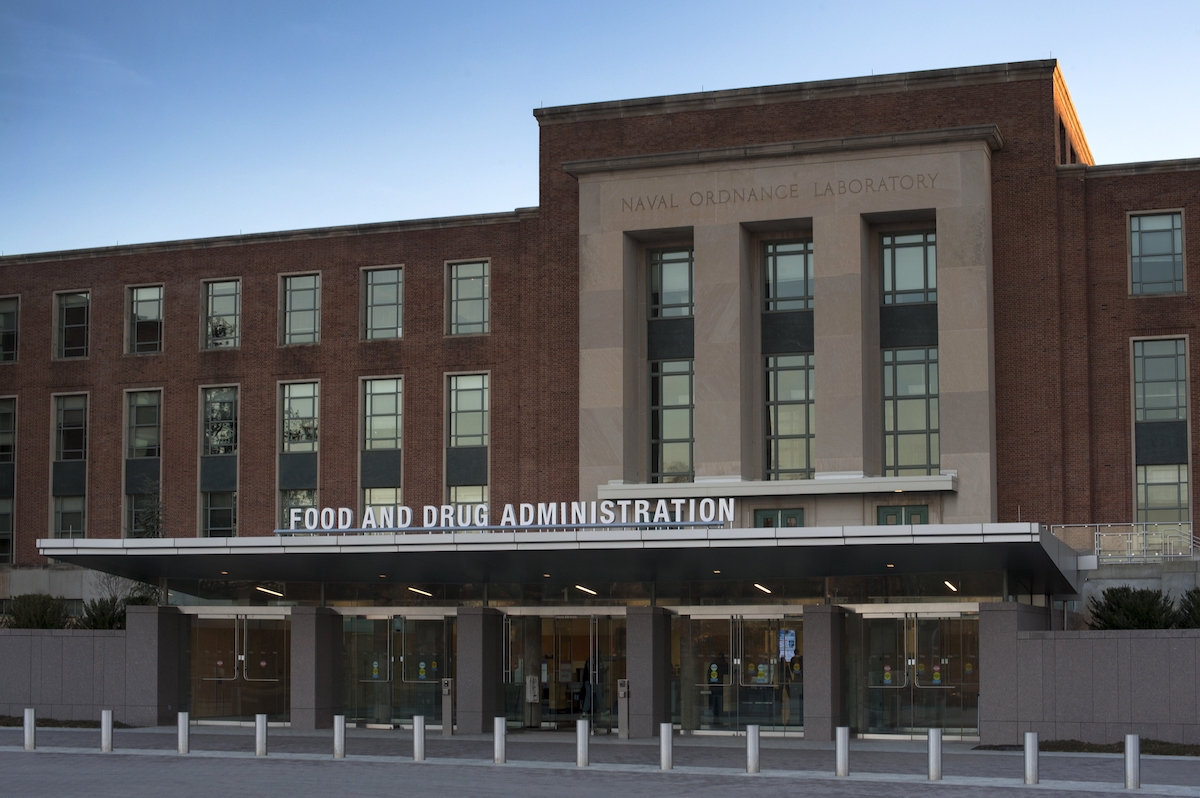
The recent announcement that Vinay Prasad, director of the FDA’s Center for Biologics Evaluation and Research (CBER), is leaving the agency — for the second time — is a reminder of how challenging it can be to keep up with the rapid changes at the FDA. At STAT News, Lizzy Lawrence notes in her article about the departure that the Center for Drug Evaluation and Research (CDER), a separate but related department, has had five directors in 2025 alone.

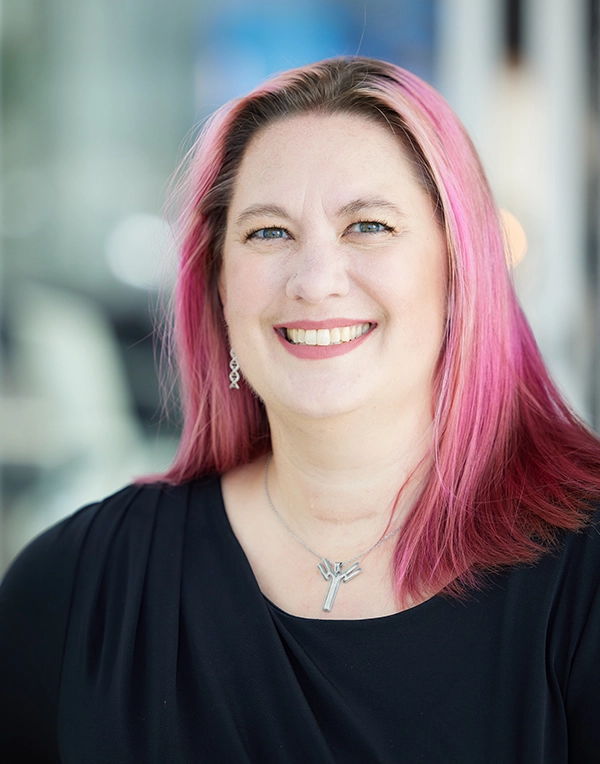
Lawrence took over the FDA beat at STAT in September 2024 and she only had four months to settle in and work with the agency’s public information officers (PIOs) before the new administration gutted most of the staff handling public information. Today, it is nearly impossible to get FDA officials to respond, making coverage even more difficult.
In this Q&A, Lawrence shared with AHCJ how she developed her beat despite those hurdles and what she thinks local reporters need to be paying attention to from the agency.
This interview has been edited for brevity and style.
You had some experience covering the FDA since your prior beat was medical devices, but once you were charged with covering the whole agency, what are some of the first things you did to get started?
The first thing I did was put together a spreadsheet of sources, like a Rolodex. I thought about who the different stakeholders were in this space that it would be good for me to know, such as former FDA leaders who are now in law firms and may be able to speak more candidly as well as industry lobbying groups and patient advocacy groups. Then I began reaching out and doing casual on-background coffees or Zooms with people to catch up on what they thought were the most interesting or important things that I should be following at the agency.
The FDA has a lot of different committees, approval pathways, surveillance programs, and other departments, some bound by specific statutes and others whose practices rely on long-time norms. How did you familiarize yourself with all of those?
I had this urge to feel like I needed to understand everything right now, and that’s just not the way it works. I learned to really let the news guide me and look up things as I needed them.
I also read the amazing work of other journalists who have written about the agency. When I did the medical devices beat, there was this incredible investigative series by the International Consortium of Investigative Journalists who had done a big expose on how medical device regulation works at the FDA, and that was very useful. Then, as things came up, I reached out to expert sources and made sure that I understood the technicalities of what I was writing about. I didn’t always put that information in stories, per se, because sometimes it’s a bit wonky, but readers really just need you to understand all that and then write what matters.
How did you establish contacts at the agency, especially given the challenges of doing so historically and especially in this administration?
Before the Trump administration, I was able to get career staffers on the phone sometimes, but that is now kind of impossible with the press relations system. There was so much destruction happening at the FDA when I jumped on the beat that [looking for people] was something I could devote my time to. I think the first thing they did was scrub all mentions of diversity, so I reached out to some people on LinkedIn about that and got some responses. Then those people were able to connect me to more people, and then more crazy things just kept happening, and I kept reaching out..
Sometimes it’s also about just continuing to try people because FDA scientists are tight-lipped, but then when they see something that they are really concerned about, as far as how something will impact the public or how it will disrupt processes that are meant to protect the public, a lot of people will talk, especially if you have already been writing about what’s going on at the FDA.
How do you search for people on LinkedIn?
In the beginning, I was looking up keywords like “FDA clinical trial diversity” and seeing who popped up. But now I’ve been able to be a little bit more targeted. For example, now that there’s been more politicization of individual drug decisions, I can look at the FDA documents to see who was listed on the review decision of a similar product, or who’s in the office where this product is, and narrow my source inquiries that way.
What are your suggestions for reporters who are trying to follow the agency’s moves at more of a distance and cannot focus entirely on the FDA? How do they figure out what to cover and what’s not worth covering and how it affects their community?
I think the general things that the FDA does that relate to public health are the most important to pay attention to if you have that broader or more community-based scope. Food is sort of under the radar, but it’s the area at the FDA that affects the most people, such as food inspections and recalls. Now there’s been a big focus in looking at additives, so that’s one area to look at. One of the first things I did when I was covering this was signing up for all of the FDA newsletters.
I think food and vaccines are huge, and with vaccines, it’s interesting because the FDA never used to weigh in on that territory [in terms of recommendations], so those decisions and the restrictions that they’re exploring, such as the FDA deciding whether you can offer vaccines together, or constantly moving goal posts for what an appropriate vaccine trial looks like, are things that I think are really important to pay attention to.
One of the challenges of this administration is figuring out when they are violating a statute and when they are simply ignoring a long-time norm. How do you find out the difference between something they’re technically allowed to do versus not allowed to do?
Lawyers are my best friend. There’s a bunch of former FDA General Counsels, and some will speak on the record. Some won’t, but if they won’t speak on the record, they’re often happy to tell you [on background], ‘This is something I’ve never seen,’ or they can give you the context and whether there’s any kind of precedent for it.
For people who have this option, is it worth it to attend any advisory committee meetings in person, or is live streaming enough?
I’ve been to a few FDA meetings in person and have found it to be pretty much the same as online. If you’re working on a story where you really want to talk to public officials, there are breaks where you can go up to people, though they’re not always super happy about it. But for the most part, I think the virtual meetings are fine.
Aside from former FDA employees, lawyers, and the stakeholders you mentioned before, are there other sources you recommend?
There are plenty. There’s a whole ecosystem for that. The Center for Science in the Public Interest gives great quotes and analysis, and there’s a lot of public interest groups that are great. The National Center for Health Research has been very helpful, and Diana Zuckerberg there has been a very strong patient advocate; she has a research group that’s very steeped in all things FDA. There’s also a bunch of FDA academics at places like Yale and UPenn. The newsletter AgencyIQ is very niche-FDA, but when there’s an important story, it distills it for me.
Even as access to FDA officials has narrowed, Lawrence urges reporters to build strong coverage by tapping into the broader network of experts, advocates and specialized resources that track the agency closely.