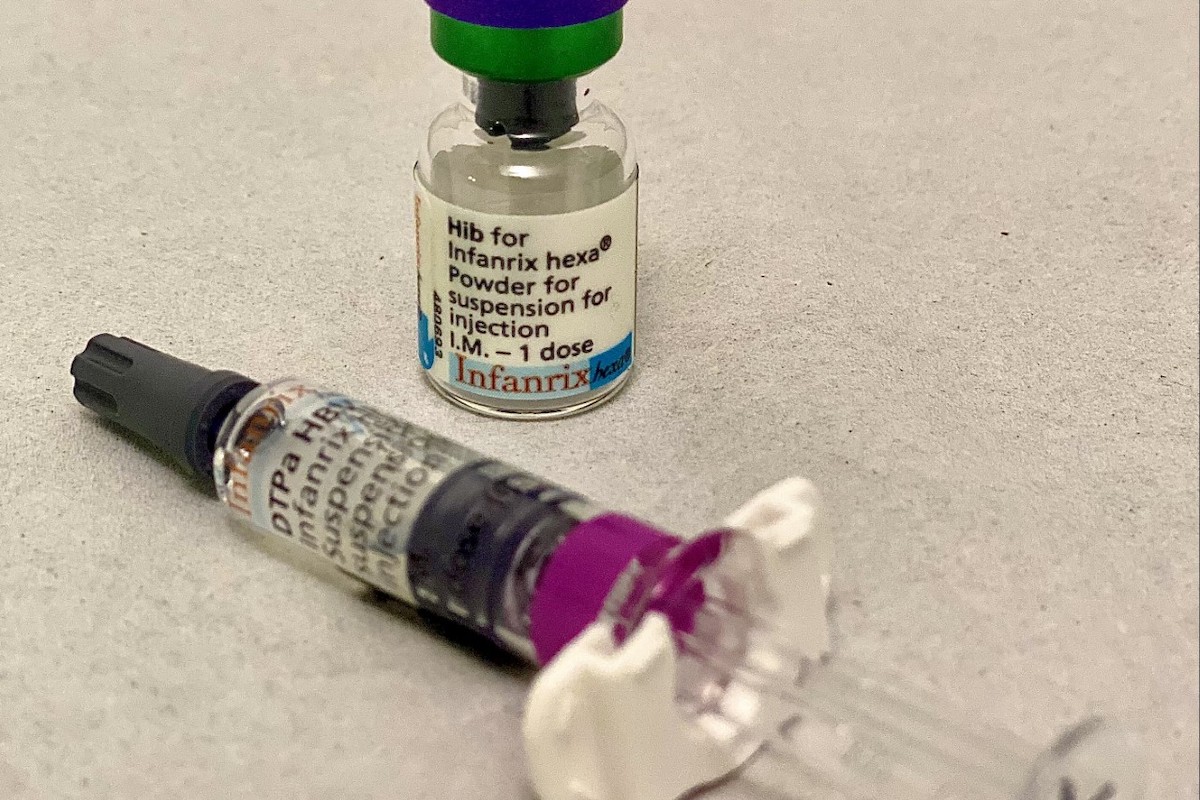
When the CDC’s Advisory Committee on Immunization Practices (ACIP) meets later this week (Dec. 4-5), one of the key issues on the agenda will be the birth dose of the hepatitis B vaccine. The draft agenda for the meeting shows that the entire first day will be devoted to discussing this vaccine. The second day will focus on combination vaccines, vaccine adjuvants and other vaccine ingredients.
Journalists need to understand what’s at stake with the decisions that could come out of this meeting and adequately convey that to their audiences because changing the current recommendations would have substantial public health ramifications.
(Note: All CDC links in this article are either CDC-archived ones or from Internet Archive, dated prior to Jan. 20, 2025, to reduce the risk of non-evidence-based updates under the new administration.)
Background of the hep B vaccine recommendations
The ACIP’s recommendations for hepatitis B vaccination have evolved with the evidence. The committee first recommended that all newborns be vaccinated against hepatitis B in 1991, either at birth or within their first two months of life. The decision was driven by a 37% increase in hepatitis B incidence between 1979-89, including an estimated 15,000 perinatal (newborn) infections a year and an additional estimated 16,000 infections in children under 10, according to a 1991 incidence study.
While that recommendation reduced infections in children overall, perinatal transmission — from an infected mother to her baby during birth — remained high. A decade later, in 2002, ACIP updated that recommendation to include a “preference” for a dose at birth, and then a few years later, in 2005, they revised it a third time to recommend all newborns weighing at least 4.4 pounds be vaccinated at birth.
At that time, half of all U.S. children were getting hep B vaccines within a few days of birth, and the aim of recommending a birth dose for all infants was to dramatically reduce perinatal transmission.
The vaccine is 98% effective at inducing antibodies against hepatitis B in newborns, and newborn vaccination reduces infection risk in infants of infected mothers by 75-90% (94% when combined with hepatitis B immunoglobulin).
The vaccine is among the safest and least reactive of all recommended childhood vaccines.
Impact of U.S. childhood hepatitis B vaccination
Perinatal transmission has been nearly eliminated since that birth dose recommendation. In 2022, the most recent year with available data, 95% of babies born to mothers with a hepatitis B infection were vaccinated, and just 13 cases of perinatal transmission were reported. Hepatitis B infections in people under age 19 have also plummeted by about 95%.
Until routine childhood hepatitis B vaccination, more than one in three chronic infections in the U.S. resulted from perinatal or childhood transmission. The National Foundation for Infectious Diseases estimates that the universal hepatitis B vaccine dose has prevented over a half million childhood infections and prevented 90,100 childhood deaths.
Risks of hepatitis B infections in children
The younger someone is when they contract an acute hepatitis B infection, the more likely they are to develop chronic hepatitis B, which can cause cirrhosis and other liver disease as well as liver cancer. Hepatitis B infections account for a third of all liver cancer deaths globally. Up to half of children infected before age 5 will develop chronic infections, including 90% of infants, and up to one in four newborns with hepatitis B will die prematurely of liver disease as adults.
Necessity of vaccination for prevention
It’s not surprising that many people may feel uncertainty about why a hepatitis B vaccine must be recommended for all infants at birth. One of the reasons ACIP revised the recommendation multiple times was to keep up with emerging evidence and the practical realities associated with other hepatitis B prevention strategies. It’s important to understand why these other strategies have been insufficient so that the birth dose recommendation for all children makes more sense.
Mothers are screened for hepatitis B in pregnancy, but many never receive prenatal care at all (which means they’re not screened), and the proportion of people not receiving prenatal care may increase with recent Medicaid cuts. Others, meanwhile, may become infected with hepatitis B during pregnancy after screening, which typically occurs during the first trimester. And of course, while screening has very high accuracy (around 98%), that’s still not 100%, so cases will be missed if relying solely on a screening strategy without vaccination.
Another strategy proposed is testing everyone who gives birth in the hospital for hepatitis B, but there are multiple challenges with that approach. First, hepatitis B testing is complex and not straightforward to interpret. Testing everyone giving birth before vaccinating newborns also means medical errors, miscommunication in busy hospitals, and false negatives (about 5%–12% rate) will miss infants. The MMWR reported in 2005, “Even when maternal [hepatitis B antigen] testing does occur, certain infants of HBsAg-positive mothers do not receive post-exposure immunoprophylaxis because of testing errors and lapses in reporting of test results.”
At its last meeting, ACIP discussed delaying infants’ first hepatitis B vaccine dose until their two-month well visit, but that means 90% of the infants missed will develop chronic infections. An analysis published this week by four institutions estimates that delaying the birth dose to 2 months could result in “at least 1,400 preventable hepatitis B infections among children, 300 excess cases of liver cancer, 480 preventable deaths and over $222 million in excess healthcare costs, for each year the revised recommendation is in place.”
Even infants of mothers who are themselves already vaccinated against hepatitis B are at risk of contracting it at daycare (such as from bites), from family members or friends who don’t know they’re infected, and from discarded syringes at parks, playgrounds and other public places.
Contrary to popular misconceptions, injection drug use and sexual contact are not the only methods of transmission. The virus can survive and remain infectious on environmental surfaces for at least a week, including as “microscopic particles of dried blood present on shared household items such as nail clippers, tooth brushes, metal nail files, pierced body jewelry and other sharp items.” Case reports have described transmission with no known blood injury or body fluid contact.
Additional resources
- Hepatitis B, WHO
- Hepatitis B Vaccination is an Essential Safety Net for Newborns, Johns Hopkins School of Public Health
- Fact Checked: Hepatitis B Vaccine Given to Newborns Reduces Risk of Chronic Infection, AAP
- Why We Give Hepatitis B Vaccines to Infants, National Foundation for Infectious Diseases
- Next up for Vaccine Integrity Project: reviewing data on birth dose of hepatitis B vaccine, CIDRAP, and an article by CIDRAP’s director, Michael Osterholm
- A Review of the Safety of Hepatitis B Birth Dose Vaccination, a CDC presentation at the September ACIP meeting from a reliable presenter
- Hepatitis B Perinatal Vaccine Information, CDC prior to 2025
- Hepatitis B Vaccine Safety, CDC prior to 2025
- Universal Infant Vaccine Birth Dose Saves Thousands of Lives: A response from the Hepatitis B Foundation