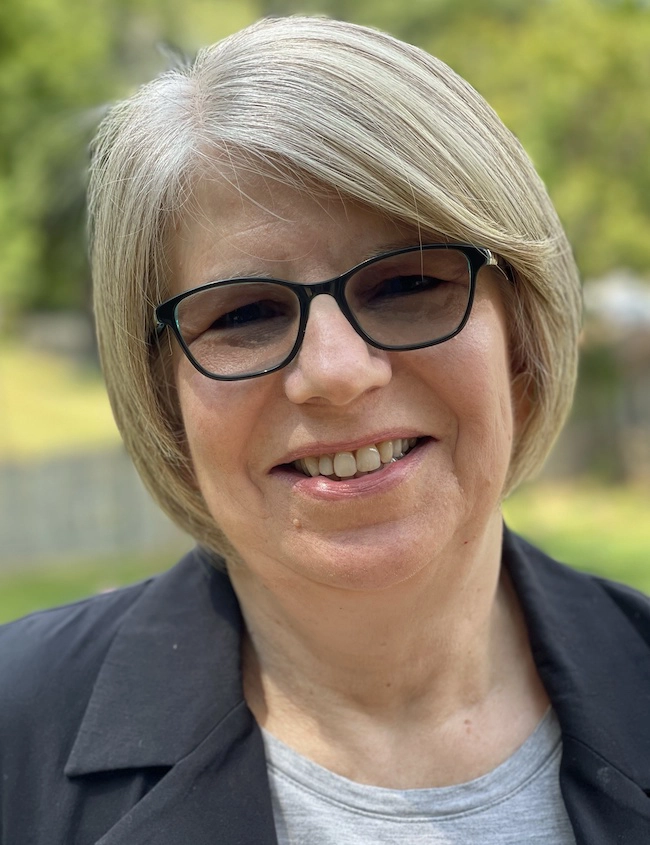
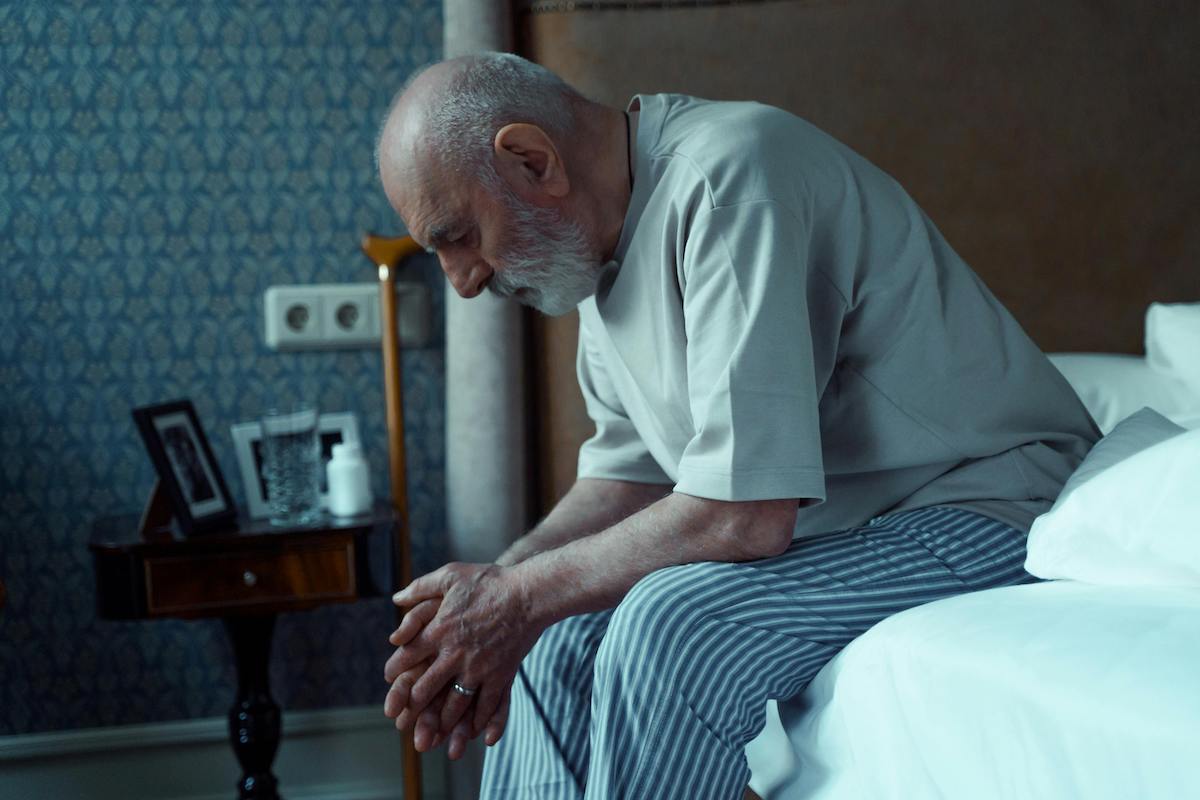
A year’s worth of determined reporting and data mining by Arizona Republic journalists Sahana Jayaraman and Caitlin McGlade uncovered a disturbing trend within Arizona’s assisted living industry: abuse, neglect, patient-on-patient assault, and homicide.
What began with a tip from a family member about an incident in one facility led these journalists down a path that resulted in a sweeping investigation of facilities throughout the state, which are generally subject to little oversight.
One complex — Heritage Village in Mesa — stood out, for the sheer number of police reports and severity of complaints. So much so that the Republic’s investigative series prompted Gov. Katie Hobbs to call for an investigation and Attorney General Kris Mayes to petition for receivership, putting a court-appointed monitor in charge and removing Heritage Village’s owner.
The following conversation has been lightly edited for brevity and clarity.
How did you first learn about serious problems within Arizona’s assisted living environment?
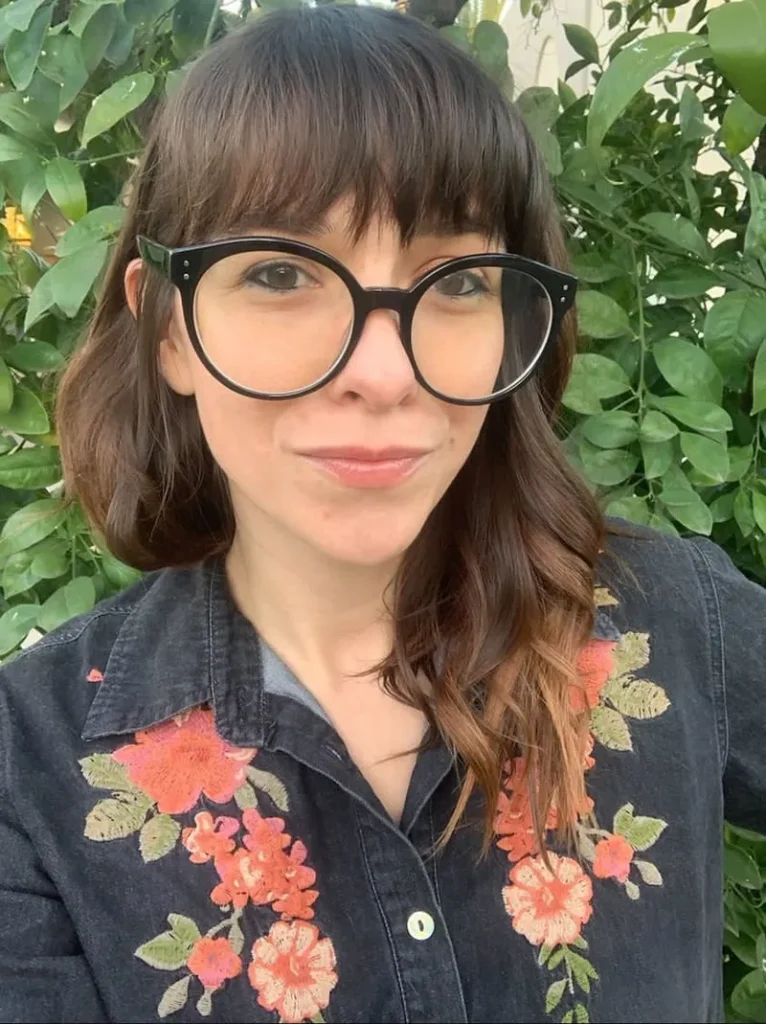
McGlade: A woman whose mom died at one particular facility called me. Her mom was beaten by another resident, who had dementia. She said the family was not getting satisfactory answers from the facility, but suspected it could have been prevented.
I spoke with the family’s attorney, who told me that these resident-on-resident incidents, especially involving people with dementia, were more common than people realized and that it was a symptom of bad care. I started thinking about how to quantify this, because the state did not have any system for tracking these assaults or other complaints.
However, the facilities had to make police reports, so that’s how we began. We initially requested information for 400 addresses, from 14 different jurisdictions, and ended up with several hundred responses from law enforcement throughout the state.
How did you weed through all of this information?
McGlade: I created a huge database and then Sahana joined in to help organize this information — hundreds of pages. We were tracking so many things — the time of day the call came in, gender, race, ethnicity, whether the report mentioned dementia. These details weren’t always available or reliable. It also became clear that [we] needed to know more information, like prior incidents or aggressive behavior by a resident, and the result. We tracked a lot of details and included all of it to make sure that we had the whole picture.

Jayaraman: This was a massive effort and a first effort for us in many ways, in building this custom database. Whenever you’re using multi-jurisdictional data, even if it’s in the same state, you’re going to have a lot of little differences between what police departments are willing and not willing to give you. Figuring out what you’re tracking early on and creating clear definitions for your thresholds for data like injuries, or threats, or hospitalizations is critical. We developed those definitions as we reworked the database. That was really helpful, especially down the line, when we found trends and patterns in, for example, sexual assault and abuse in facilities.
What surprised you as you started looking at trends and details?
McGlade: We called dozens of facility managers. We contacted anyone who would be included in our database. The prevailing attitude we got was that there wasn’t much they could do about residents with dementia, and that spats between people were inevitable. Occasionally, someone would admit there was more they could be doing, but most were just shrugging it off as something that just happens.
I was very surprised when we discovered another death. We knew about the one that launched this investigation, but we found another at a different facility, Heritage Village. Police labeled it as a homicide, but it wasn’t really, based on other information. The person who did this was not getting her proper medication, and the facility didn’t do its due diligence. We were also surprised the family didn’t come forward, so we reached out to them and that spawned a focus on this one facility.
Jayaraman: The more time we spent looking at these police reports, the clearer it became that Heritage Village had a huge problem, and that really bad things happened there. We only looked at three years of data, and under the same management a really brutal rape happened, and then this really visceral death. We scraped incidents for the facility, and it was cited for so many things, more than any other facility of its kind in the state. All anyone had to do was look. It just exposed itself.
What were the immediate responses to your reporting?
McGlade: I got the top guy at that company to talk to me. He insisted he didn’t know what was going on and that they’ve changed management and are turning things around. But they had some 50 citations after we spoke, which is when the attorney general stepped in to try and shut it down. They didn’t tell us about that lawsuit before it happened.
Jayaraman: The health department came out after our stories ran and they ramped up all sorts of inspections and planned to revoke the facility’s license. In the last few months, we’ve seen a lot of impact from this series, including a new law that is based on our reporting. That is hard to wrap my head around — that writing about this has led to hopefully tangible improvements in people’s lives. It feels really good to see such tangible impact.
What are some of your biggest takeaways from this investigation?
Jayaraman: One big thing for me has been that continuing to hammer down on the issue is part of the way that you get impact. Another thing that really contributed to our success was that we found an issue that lawmakers from both sides are able to agree is important.
McGlade: At the very beginning, we identified what our bare minimum story was — we have a woman who was killed by a resident down the hall, and a facility ignored all these problems. And here’s a bunch of other altercations that we were able to find at this same place.
Assisted living and nursing home neglect has been reported on before, but not many have reported on residents hurting and killing each other. There’s a certain kind of trauma, a certain kind of grief that comes with that. It’s very specific and terrible for families on both sides. We knew that we had an opportunity for impact.
Jayaraman: We put together a pamphlet as the capstone of our project to help Arizona residents navigate the system as it exists today. We built tools that are a lot better than what the state has for people to research assisted living facilities the way that we did as reporters. They can see how many complaints people have filed against those facilities and request those complaints if they want to see what exactly happened.
This year-long experience has been very important. Not only did we expose a ton of problems in a system that people have to use, but we’re giving everyday people a way to work around all of these things. We actually did something for people and weren’t just fear mongering. It also got U.S. Sen. Mark Kelly’s attention and he brought up our reporting at a committee hearing.
Do you have any tips for other journalists who might want to tackle a similar project?
McGlade: Start by looking at the laws that govern the area and determine what has to be reported and from where; that was a big starting off point for us. We found out that the state didn’t have to know about resident-on-resident harm, but saw that facilities have to report resident injuries to either Adult Protective Services, which keeps most information private, or the police. So that became our avenue for telling the story.
Look for resources and solutions to offer people who are currently suffering, because that not only helps identify where the problems are, but also helps you find more individuals who want to talk to you. If you actually offer resources and help to these individuals, that feeds back into the investigation and also helps them. Third, try to find residents that will also let you visit them. We didn’t get to do a ton of that and I wish we had done more. See what the inside of the facility looks like, get the lay of the land.
Another big tip is to be organized. If you are collecting a lot of different records from a lot of different jurisdictions, make sure that you write down at the beginning what you want to get out of your aggregate data; then make sure that the data that you collect is able to answer that question and is tailored to answer it. This prevents you from tracking too many things and having a bloated database.
Jayaraman: Talk to academic experts, who can help you make sense of the data and make sure you are looking at the right data. Experts helped us sort through the incredibly complex financial structures of these facilities; they’re meant to be misleading.
McGlade: One more tip — when interviewing people about something that happened to them or their relatives, always ask for anecdotes about that person, so they’re not just their injury. Part of what made our stories so successful is that I spent a lot of time with those families. Look for those little details that give a picture of who the whole person is. Those little details really bring these people to life.