
Using data to make a difference in behavioral health
Journalists can use data to raise awareness about public health crises like suicide and other behavioral and mental health concerns, panelists said during an AHCJ fall summit session.
For example, in 2022 alone, more than 49,000 people died by suicide, according to CDC data. And rates are rising in communities that haven’t been traditionally impacted at such high levels. The trends underscore the importance of The Pew Charitable Trusts’ suicide risk reduction project, which aims to make suicide screening a routine part of health care in the United States.
“Pew’s priority is to use data to make a difference, and my project specifically utilizes data to develop our advocacy agenda and our recommendations,” said Kristen Mizzi Angelone, project director of suicide risk reduction for The Pew Charitable Trusts.
Key suicide data points
- In 2021, suicide was the second leading cause of death for people ages 10 to 24.
- In 2021, more than 7,000 youth died by suicide. Of all the young people who died that year for all reasons, 25% of them were suicides.
- A recent Pew analysis found that 2022 was the first time the black youth suicide rate exceeded the white youth suicide rate in the United States.
- About half of people who die by suicide interacted with a health care provider within a month of their deaths.
- More than 80% of people who died by suicide visited a health care provider in the year before their death.
- Approximately 27% of accredited hospitals do not use any best-practice suicide care procedures.
- Only 8% of hospitals are utilizing all four best practices concurrently.
Substance use prevention and treatment
Reporters can also use data to show small but hopeful signs of progress. According to provisional data from the CDC, overdose deaths decreased by 3% in 2023 (from an estimated 111,029 deaths to 107,533 ) — the first annual decrease in drug overdose deaths since 2018.
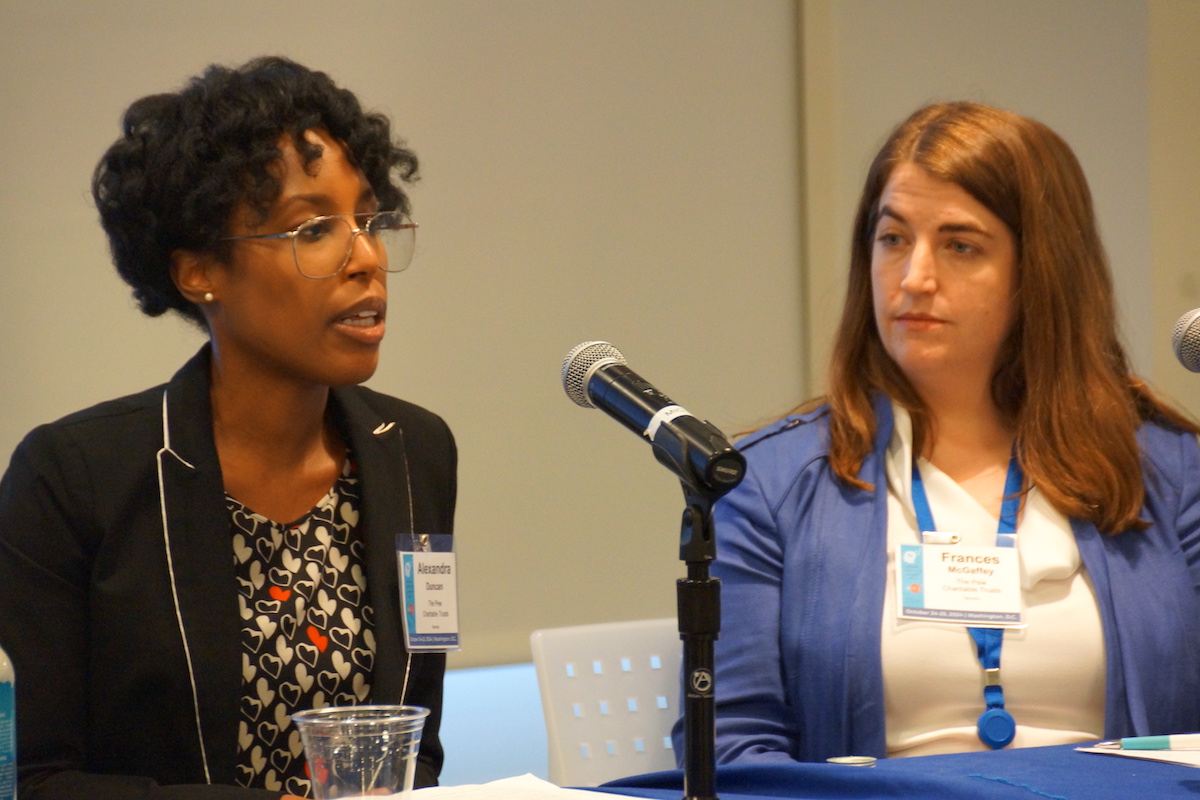
“That’s something to be celebrated. …,” said Alexandra Duncan, Pew’s director of substance use prevention. “But [I] also [want] to acknowledge that overdose deaths are not decreasing in all communities and that some communities are more affected than others. And what that means is there’s more work to be done.”