Domestic violence: Changing the narrative, exploring solutions
By Cheryl Platzman Weinstock, Connecticut Health Journalism Fellow
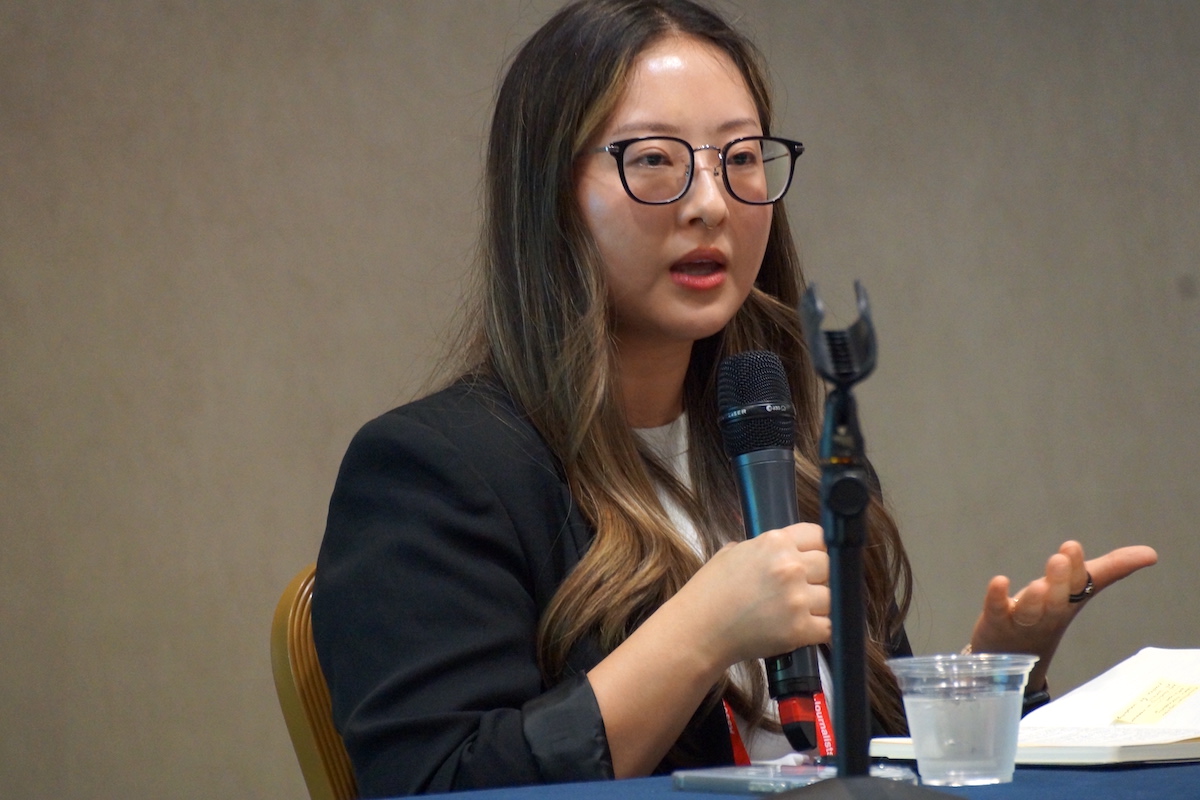
Domestic violence survivor Angela Kim told journalists at a Health Journalism 2025 panel that she might have left her abusive relationship sooner if media coverage of the topic didn’t focus so heavily on “extreme outcomes.”
At the time, Kim, 16, said the articles she was reading about domestic violence gave her “the false impression that there had to be horrific physical violence or death for my abuse to be taken seriously by others.”
More than half of intimate partner homicides involve a firearm, according to a 2023 study. And firearms are frequently used by perpetrators of intimate partner violence “to harm or threaten victims and survivors.”
She got really fearful of leaving her abuser because she thought, “ I was going to die. ..I had a really hard time envisioning a life where I could leave him and I would have a joyful life, a fulfilling life, and I could thrive.”
There were few articles that described the type of domestic violence she experienced, including being strangled and raped all the time, as well as experiencing financial and psychological abuse, neglect and deprivation.
Kim encouraged journalists to explore the “full, clean, polished narrative of what domestic violence is and what survivorship feels like” to give women hope.
She said the best coverage of domestic violence should include the “messy feelings” survivors can have which may include missing their abuser, or even asking their abuser for forgiveness for leaving.
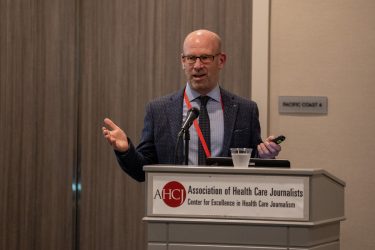
Panelist Rachel Louise Snyder, a New York Times contributing writer and book author, warned participants about the danger of stereotyping domestic abuse survivors.

“Telling their story is a privilege,” she said, cautioning journalists about the language they use when sharing survivor stories. She also said reporters should ensure sources are in the right emotional and physical state to give informed consent to share their stories. She urged them to find out if they need a friend or a therapist present during the interview and/or if they’d prefer to review questions in advance.
“Note their physical response to questions and if they need a break,” Snyder said.
“Domestic violence really takes the bottom out from someone’s life. It’s emotional. It’s that digging away of one’s humanity and controlling how they move in the world and what they see. I’ve never interviewed a domestic violence victim who didn’t talk about that being so much worse than physical violence,” Snyder said, adding that they should listen closely to survivors without any preconceived notions.
“The best interview is one with curiosity and not judgment,” Kim said, adding that she rejected many interview requests because she feared people would blame her for not leaving her relationship earlier.
Sammy Caiola, special projects reporter for Kensington Voice said journalists often make the mistake of going into writing a story by “finding people to plug into it. That doesn’t work with people who have experienced trauma. We owe people more than that … more than being just a soundbite.”
When someone experiences domestic violence, or a sexual assault they often experience a loss of control, said Caiola. When they interact with the media they might also feel a loss of control. To counter this, she urged journalists to help survivors feel like they can maintain agency or make choices in how their story is told.
Caiola told journalists to be transparent. The survivor must be fully aware of all the ways you intend to use what they tell you.
“You want to make them feel like they are looped in and you have not just taken something from them and run away,” she said.
The panelists warned that reporting on domestic violence is challenging, but journalists can find help at local Family Resource Centers, crisis centers and by contacting advocacy groups.
Cheryl Platzman Weinstock is a freelance writer based in Stamford, Conn.