Nearly four years into the pandemic, vaccine uptake for COVID, RSV and even influenza remain very low among nursing home residents and staff, according to recent CDC MMWR data. Some 600 nursing home residents died from COVID in the first two weeks of January alone. Meanwhile, flu cases remain high in parts of the U.S., and risk for RSV is still elevated among this vulnerable population.
Despite widespread availability of both the COVID-19 booster and new adult RSV vaccine, infection rates, hospitalizations and deaths continued to climb over the winter months. On top of that, COVID booster uptake by nursing home staff was only 23% at the end of 2023, CDC data shows. Why haven’t more nursing home residents received the vaccine? And, what, if anything, can nursing homes or states do to ensure their residents and staff are protected?
In this webinar, AHCJ Health Beat Leader on Aging Liz Seegert talks with a geriatrician/researcher and the executive director of an organization that advocates for aging people about what the data tell us, the challenges of ensuring staff and residents receive the shots they need, overcoming persistent misinformation about the COVID and RSV vaccines, and the impact new federal staffing mandates may have on infection control and prevention.
Presentations
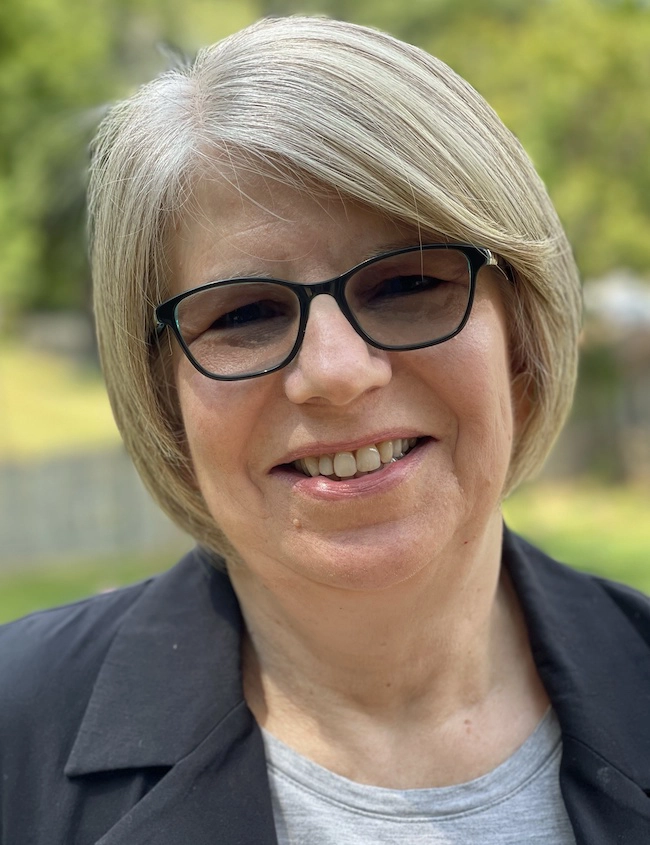
Liz Seegert is AHCJ’s health beat leader on aging. She’s an award-winning, independent health journalist based in New York’s Hudson Valley, who writes about caregiving, dementia, access to care, nursing homes and policy. Seegert is also a contributing writer for Fortune.com, the American Journal of Nursing, and PBS/NextAvenue.org, reporting on myriad health topics, including social determinants of health and women’s health. She has written for TIME Health, The Wirecutter, Money.com, Medscape, Consumer Reports, The Guardian and Medical Economics, as well as dozens of other trade and mainstream media. Her articles have been syndicated in Forbes.com, the Los Angeles Times, the Hartford Courant, The Saturday Evening Post and other major outlets.

Richard Mollot is the executive director of the Long Term Care Community Coalition (LTCCC), a U.S.-based nonpartisan, nonprofit organization dedicated to improving care for individuals in nursing homes and other residential care settings through legal and policy research, advocacy, and education. Richard has researched and published on a variety of long-term care issues, including: dementia care; nursing home and assisted living standards; the rights of older adults in residential care; abuse, neglect, and crime in nursing homes; nursing home financing; and the imposition and use of penalties for substandard residential care. He is a graduate of Howard University School of Law and a member of the Maryland Bar.

Ana Montoya, M.D., M.P.H., is a geriatrician and health care researcher at the University of Michigan, and a clinical associate professor at the U-M Medical School. Her research focuses on improving the care of older adults by examining health system performance for this vulnerable population, with a particular interest in health disparities, delirium and dementia, management of chronic medical problems and infection control in skilled nursing facilities. She received her medical degree from the Universidad Nacional Mayor de San Marcos in Peru, and her master’s in public health from the University of Michigan, where she also completed her geriatric medicine fellowship. She is currently enrolled in the Master’s in Health and Health Care Research program at the U-M Institute for Healthcare Policy and Innovation. She is the medical director for the Sub-acute and Long-Term Care program at U-M, which is a partnership between the U-M Geriatrics Center and local facilities offering rehabilitation and skilled nursing care. She is board-certified in Internal Medicine, Geriatric Medicine, and Hospice and Palliative Medicine, and certified as a medical director by the American Board of Post-Acute and Long-Term Care Medicine.