
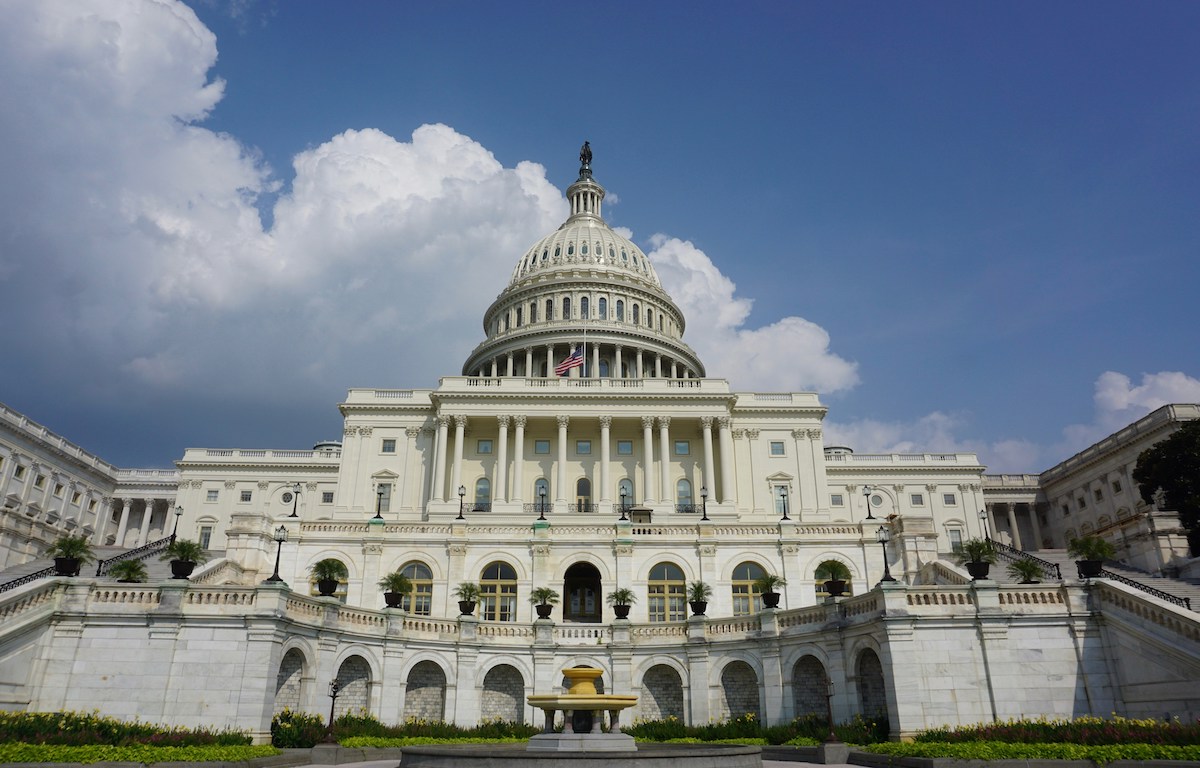
Despite a brief government shutdown, Trump signed the 2026 budget bill shortly after Congress passed it on Feb. 3. It will fund the federal government, with a separate carve out and negotiation for the Department of Homeland Security, through September 30, 2026.
The bill includes funding for several vital programs and services for older adults, including nutrition, falls prevention, help paying for Medicare premiums, transportation and jobs training. While some aging services organizations hailed the appropriations, others, including Justice in Aging, the National Council on Aging, and Senate and House Democrats, said that it falls far short of what’s necessary to address the needs of millions of older people.
This is an important angle to cover as program and service cuts will put more pressure on states and communities to make up some of these services at a time when many are dealing with existing budget deficits. These cuts will cause “alarming harm to parents, children, veterans, seniors, people with disabilities, and others across every community in every state,” according to the Center on Budget and Policy Priorities.
“Aging is not and has never been a partisan issue,” said Ramsey Alwin, president and CEO of the National Council on Aging. “We’re grateful that Congress has prioritized funding for critical programs and services that all of us rely on to age with health, economic well-being, and dignity in our own homes and communities.”
What the bill funds
One part of the budget bill funds home-delivered and group meals at senior centers, to help address nutrition and foster social connections. However, funding for the Older Americans Act (OAA) Nutrition Program remains flat, at $1.059 billion, according to Ellie Hollander, Meals on Wheels president.
This funding package was a missed opportunity to come closer to right-sizing funding for senior nutrition programs, which are not only effective, but extremely efficient, leveraging nearly $3 for every $1 of federal funding.
Ellie Hollander, President and CEO of Meals on Wheels
Other key provisions in the budget bill that could inspire story ideas include:
- Grants to nonprofits, state and local governments, and public housing agencies for safety and functional home modifications for low-income seniors to allow them to remain in their primary residence.
- Falls prevention programs that have been proven to reduce falls and their impact on people’s health and well-being.
- Programs that connect eligible older adults to benefits that help them afford Medicare premiums, deductibles and co-pays through the Medicare Improvements for Patients & Providers Act through the end of 2027.
- Transportation services to help older adults travel to medical appointments.
- Continued funding for the Long-Term Care Ombudsman Program, Adult Protective Services and Elder Justice programs.
- Additional support for friends, family, and professionals who care for older adults.
- Job training and placement for older workers through the Senior Community Service Employment Program.
- Telehealth access for Medicare beneficiaries through the end of 2027.
- Funding for the Administration for Community Living to support The Older Americans Act, RAISE Family Caregivers Act, and the Grandparents Raising Grandchildren Act.
- Specific funds to support people with mental and physical impairments, including assistive technology.
- Extending the hospital-at-home program through 2030
- Funding for Area Agencies on Aging and Aging and Disability Resource Centers through 2027.
- Medicare Part D Coverage of COVID-19 oral antiviral drugs through Dec. 31, 2026.
This funding is just one step toward closing gaps that make it difficult for every person to age well in America, according to the NCOA. The organization’s benefits participation map shows that 9 million older adults are eligible for, but not receiving, benefits that can help them afford basic expenses like food and heat. At the same time, poverty increased to 15% among older adults for the third year in a row, and recent research from NCOA and LeadingAge LTSS Center @ UMass Boston found that older adults with the fewest financial resources die, on average, nine years earlier than those with the greatest wealth.
Resources
- Text of the Consolidated Appropriates Act of 2026 as signed into law, on Feb. 3, 2026.
- Annual aging services funding table, National Council on Aging.
- Snapshot of caregiver appropriations, National Alliance for Caregiving.
- Federal Funding Tracker, Caregiver Nation Coalition.
- Program and policy areas, Administration for Community Living.