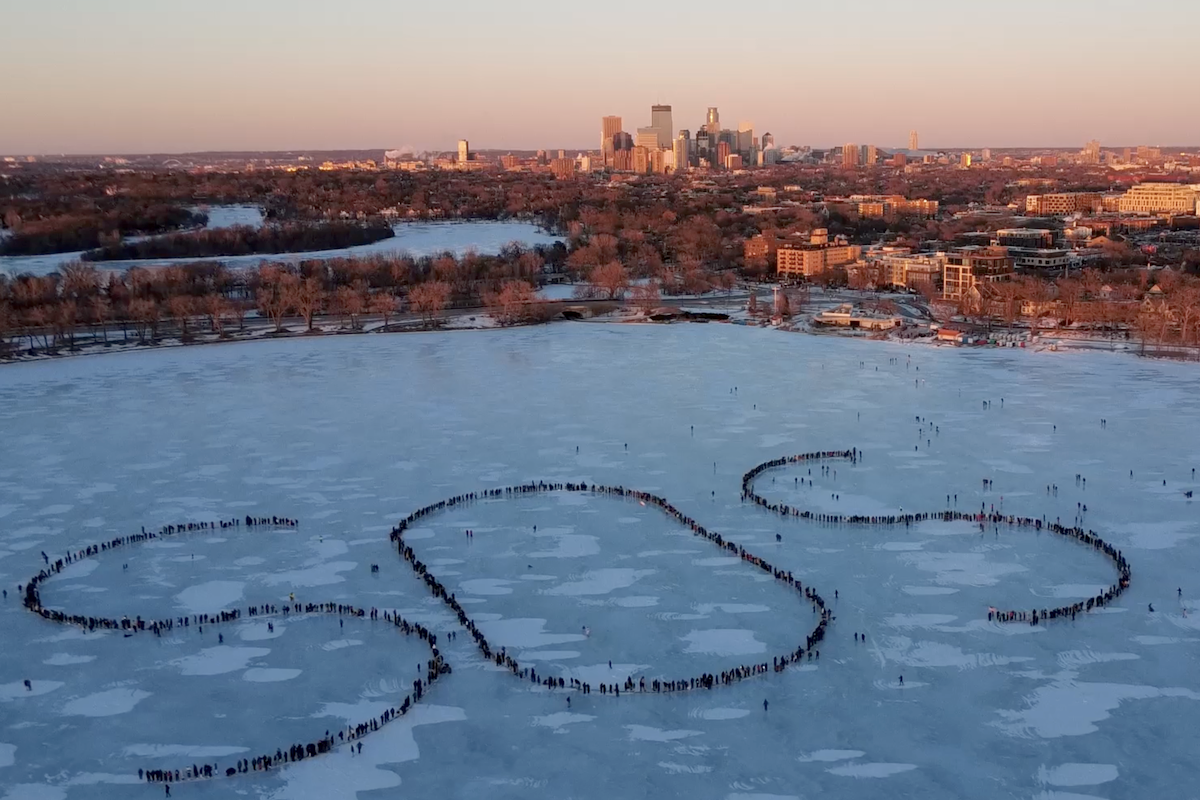
When ICE arrived here before the holidays, they brought a sense of foreboding. At first, there were distractions: the holidays, kids home from college. But a few weeks in, on a run around Bde Maka Ska, the lake near my house, my Mexican-born running partner broke into tears. She’d been carrying her passport everywhere she went, not knowing what would happen if ICE stopped her — despite being a U.S. citizen.
Then Renee Good was killed. My cousin, a Korean adoptee, grew scared to go to work. I signed up for alerts that warned me whenever ICE was attempting to detain people nearby, and my phone buzzed several times a day. As a journalist, I wrestled with the ethics of any sort of involvement. But, as former Minneapolis mayor R.T. Rybak pointed out, this didn’t feel like protesting or taking a side; it felt like resisting an invasion by an outside force.
As events snowballed, editors and sources started calling. Could I drive to a small town in northern Minnesota and find out how outstate folks felt about the situation? I hesitated. Could I put my life on hold and jump into the car? Not to mention that the prospect of talking to small-town, conservative Minnesotans about this issue terrified me. My 21-year-old son couldn’t believe I wasn’t on my way immediately: “You’ve been looking for a way to help, and the path is clearly laid out for you — go!” he said.
After that, the calls kept coming: Could I go to the suburban Target and find out how shoppers felt about two teenage employees being detained when they came to work? Could I talk to restaurants about how they were safeguarding their workers, businesses and communities? Could I share with readers how people scared to leave home could safely get their prescription medications?
All the stories feel critically important to tell immediately.
I quickly discovered I wouldn’t be doing journalism as normal. In “normal” times, finding sources on the street willing to talk about issues of the day can take all day. For a story I reported this week for The New York Times, I scheduled back-to-back-to-back interviews and eventually had to turn willing sources down. I talked to Twin Citians from 18 to 81, some weeping, about what life is like in Minnesota right now. They used words like, “terrifying,” “despairing,” “cruel,” “inhumane,” “grief,” “rage,” “hypervigilance.”
Other stories that in normal times would be simple to tell become fraught when outspoken sources realize that using their names or the names of their clinics could jeopardize the lives of their patients. Doctors and pharmacists were hamstrung: They desperately wanted people to know how to get their medications and that they could switch many in-person appointments to video calls, but they couldn’t risk ICE finding out that they serve vulnerable populations. They faced another dilemma: Could they reassure patients that they could keep them safe if they came to the hospital, when ICE agents were violating privacy policies?
Peppered throughout almost every conversation: “I can’t believe I’m saying this.”
Indeed, although I don’t know anyone who is able to sleep well, it feels like we could wake up at any moment to discover the past two months have actually been a nightmare.
Between assignments, I’ve been helping compile resources for journalists covering Operation Metro Surge as a board member of Minnesota’s SPJ. Keeping track of journalists who have been injured while reporting here. Organizing gatherings for journalists in need of connection and a mental break from the frontlines. This all feels like very little compared with what most Twin Citians seem to be doing.
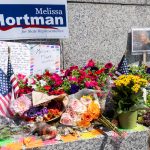
I spent this past Saturday morning watching my son compete in a 15K Nordic ski race in Colorado. With no cell reception in the mountains, I ran back and forth between viewpoints, cheering for him and his teammates. Eager to tell his grandparents that he’d won, I held my phone up to get a text message through — and saw texts from my best friends in Minneapolis: “ICE killed a man, multiple gunshots, even after he was already down at Glam Doll Donuts.” Alex Pretti had been shot and killed two miles from our home. My friends at home who’d been among the thousands crowded downtown despite subzero temps felt their hopes crushed.
And yet, that day, neighbors gathered on street corners with candles. The next day, thousands poured into downtown again. A close college friend who flew in to join the resistance and stayed at our house called to say how glad she was to be there, how much solidarity she felt and how proud she was of our state. I’ve heard that repeated so many times this week: We are proud to be Minnesotan.
I am glad I accepted that first assignment to go up north. At the local bar where I talked to conservative residents, most supported the ICE occupation at the time. But they also considered their liberal bartender a close friend. They pronounced my story “decent,” and invited me back.
Never have I heard so much appreciation for what we do. “Thank you for doing this important work,” one source texted. “Thank you, this gives more hope that this will stop,” said another. And: “Journalists are vital, especially in this time.”
Health journalist and AHCJ member Sheila Mulrooney Eldred lives in Minneapolis. She wrote about disparities in deaths from the opioid epidemic in Minnesota as part of a AHCJ Health System Reporting Fellowship. Her project was published in The Sahan Journal, a nonprofit newsroom dedicated to covering immigrants and communities of color in Minnesota.