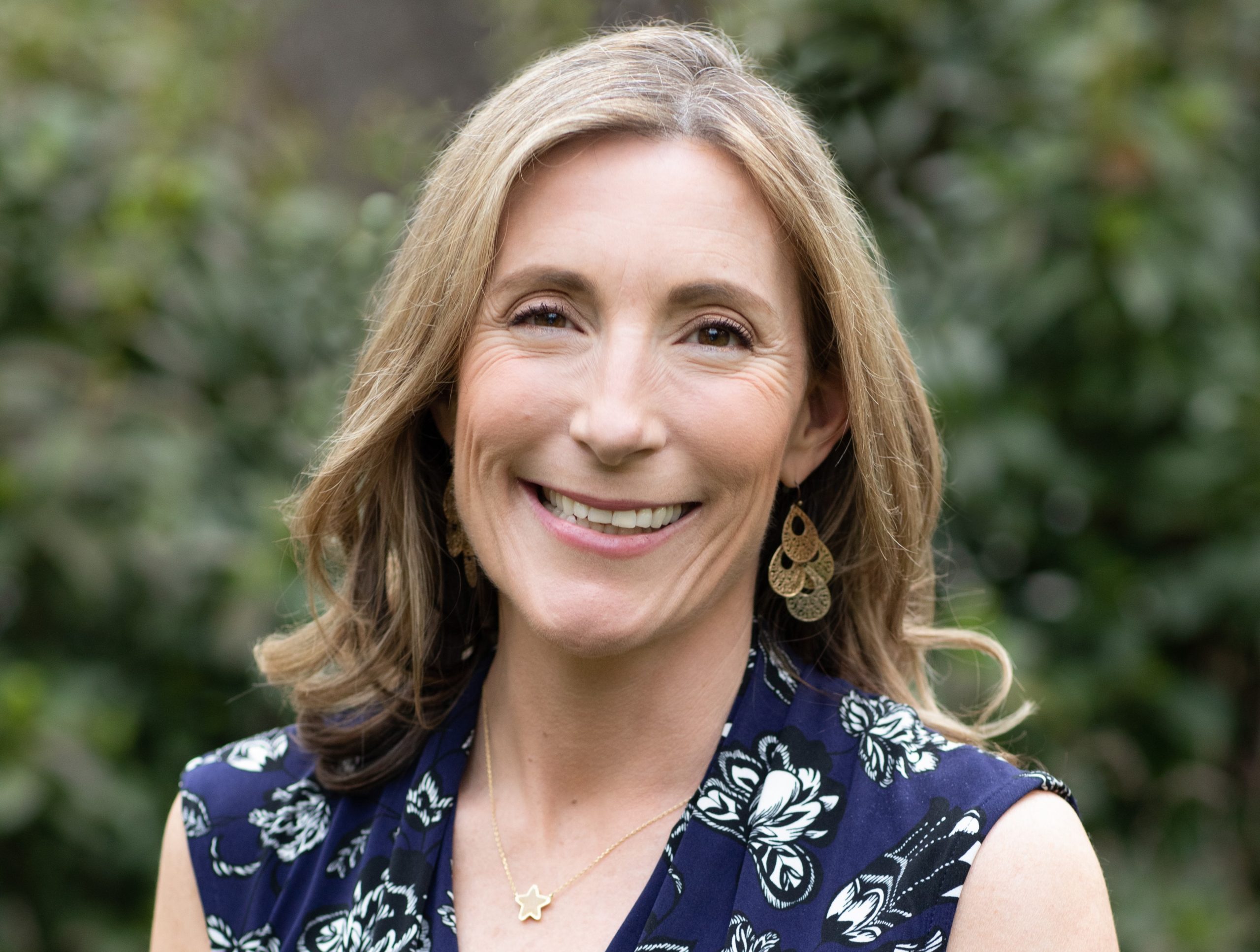
A conversation with a neighbor inspired AHCJ member Michelle Crouch to investigate a trend in which hospitals in Charlotte, N.C. (and nationally) were charging patients fees for completing questionnaires about their mental health or social drivers of health. Crouch, who freelances for North Carolina Health News and the Charlotte Ledger, started digging further into this issue and discovered many disgruntled patients whom she interviewed in a recent article.
In this “How I Did It,” Crouch describes how the story, published in the North Carolina Health News, struck a cord with some readers. She also shares resources for journalists looking for stories about patients’ experiences with the health care system.
What inspired your idea for this story?
It actually came from a conversation with one of my neighbors at a cul-de-sac party earlier this year. I always tell people what I do for a living, and a lot of times that prompts a conversation about an experience with the health care system. She was telling me about how frustrated she was that she got charged a $17 fee for a questionnaire she had filled out before she even walked in the door [of her doctor’s office], and that nobody even asked her about the survey while she was there. Later, I did a social media search just to see if other patients were reporting something similar. First, I found a bunch of Reddit posts where, at the national level, people were complaining about the same thing, but I knew I needed local people. So, I looked on Nextdoor. There was one post where a guy wrote about his experience, and it had 153 comments after it, all of them here in Charlotte, and many of them sharing similar experiences. Some even posted photos of their bills. That’s when I realized this would be a good story.
How did you find patients to interview? Was your neighbor one of them?
My neighbor’s in there, but the lead is actually not my neighbor. I ended up interviewing one of the people who had posted on Nextdoor. One thing I like about Nextdoor compared to Reddit is that most people post with their real name. Even though people don’t always respond to direct messages on Nextdoor, because their real name and their neighborhood are listed, it’s pretty easy in a lot of cases to look up phone numbers for them.
What was important to you in telling this story?
It seems like such a small charge — it was $8, it was $17 — so in a lot of cases, people might not even notice that. But all of those little charges add up to millions of extra revenue for a health care system. It’s part of a larger trend where health care systems are increasingly charging for things that used to be free, whether it’s a facility fee or an extra fee to respond to an email that you sent to them. I think it’s important to hold these hospital systems accountable and also to let people know what’s going on. I wanted to give patients a heads up that this could happen to them and let them know that they could ask for the charge to be reversed if it does.
Were you surprised by anything you discovered during your reporting?
Well, I was surprised that there wasn’t more visibility or transparency about these fees. The hospital here, Novant, doesn’t provide any notice to patients that there will be a fee for filling out one of these surveys. Also, I learned there are two different types of surveys hospitals can bill for. One is related to social determinants of health, and hospital systems were able to start charging for that in 2024. I think that’s the one that most people were seeing. But there’s also a survey related to mental health that some people had been charged for. In order to make sure the story was accurate, I had to do a lot of digging, look into CPT codes and interview billing experts to understand that.
What kind of feedback have you received since the story published?
We actually heard from a surprising number of people. We got a flood of emails and comments, and people reposted it. A lot of them were patients who had similar experiences, who were glad to know that they weren’t the only one. But then I also heard from patients who were like, “Thanks for bringing this to light. I’m going to look for this,” or, “I went and looked at my bill, and I saw that I was charged for this. So now I’m going to ask for them to reverse it.” It really struck a nerve. In some cases, depending on what kind of insurance plan you have, your insurance might pay the fee. But people said it wasn’t about the money, it was the principle.
What advice do you have for other journalists looking to write about topics like this?
I think we tend to cover health care systems from the top down, and it’s important for us to talk to the real patients interacting with doctors and hospitals, and find out about their experiences. Some of the best stories come from the bottom up. Whenever you’re at a social event or talking to friends, tell them what you do for a living and ask about their experiences with the health care system. You’ll probably get an earful — and there’s usually a good story in there. Also, online community spaces like Facebook groups, Nextdoor and Reddit are rich sources of story ideas related to the patient experience and patient billing. I check sites like that at least monthly. I’ll do a search for our local hospital systems here to see what people are talking about — and what they’re struggling to understand.