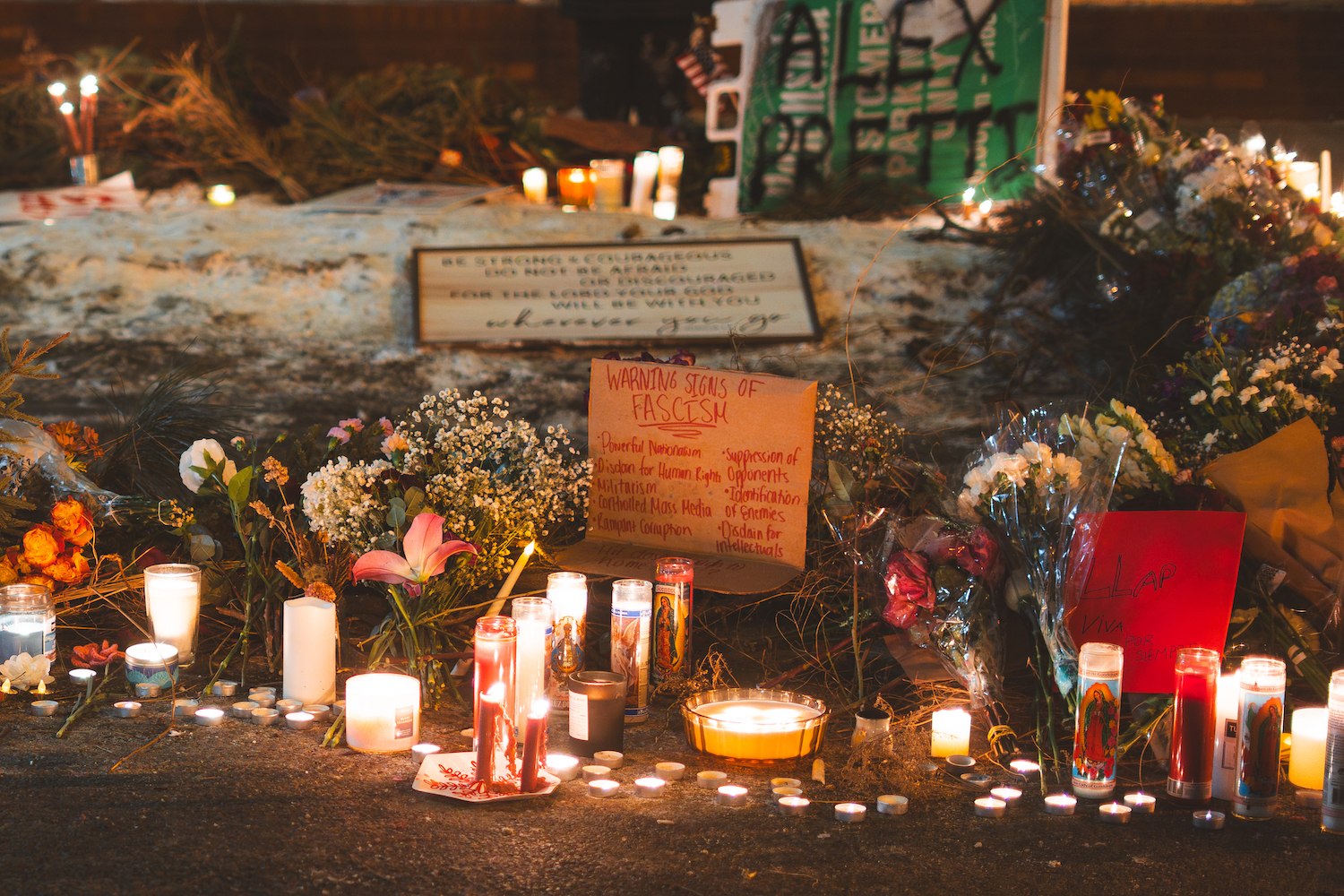
This week has brought profound sorrow and alarm following the fatal shooting of 37-year-old ICU nurse Alex Pretti in Minneapolis by federal immigration agents — another tragedy that has shaken health workers, journalists and the public alike.
More than a dozen people have been shot by federal agents nationwide since September; four were killed, including Pretti, Renee Macklin Good, also in Minneapolis, Keith Porter in Los Angeles and Silverio Villegas González in Chicago.
Pretti was a dedicated ICU nurse at the Minneapolis VA Medical Center, known by colleagues and patients for his compassion and commitment to veterans’ care. Medical workers in Minnesota had already reported that fear of immigration enforcement is deterring some patients from seeking medical care, deepening concerns about public health and access to essential services.
For those of us who report on health care, public health and the systems that shape who lives and who dies, this moment resonates deeply. This is especially true for our AHCJ members who are also health professionals. We appreciate all of you who take on such challenging jobs to help others — especially those who are mourning or carrying fear alongside your daily work.
In moments of social unrest and uncertainty, journalists play a vital civic role: Documenting events carefully, seeking out the truth and amplifying voices that might otherwise go unheard — including those of patients, clinicians, families and communities most directly affected. Our commitment to accuracy, context and humanity in reporting has never mattered more.
For health care journalists in particular, the responsibility is twofold: Examine the systems and policies shaping health outcomes, and report with rigor and compassion on people living through trauma in real time. AHCJ exists to support that work — through resources, peer community, training and ethical guidance.
As we look ahead to Health Journalism 2026, which will take place in Minneapolis May 27–30, we want to state clearly that we stand with our Minnesota-based members and with every journalist covering their communities amid uncertainty and grief.
Reporting in times like these is exhausting and emotionally taxing, and we recognize the weight many of you are carrying. We will be sharing additional plans and resources in the weeks ahead for the conference as we prioritize the safety, well-being and preparedness of everyone who will join us.


Wellness and Safety Resources
- Free specialized therapy for journalists (Journalist Trauma Support Network)
- How to care for your mental health over the next few years (Tip Sheet)
- Be careful out there: A digital safety primer for journalists (Webinar)
- How journalists can stay safe covering protests (Tip Sheet)
- Signs you’re dangerously overwhelmed as a freelancer — and what to do about it (Article)
- What peer support in journalism looks like: Insights from US and international experts (The Journalist’s Resource)
- Newsroom Mental Health Resource Guide (RTDNA)
- Trauma Aware Journalism (Tool Kit)