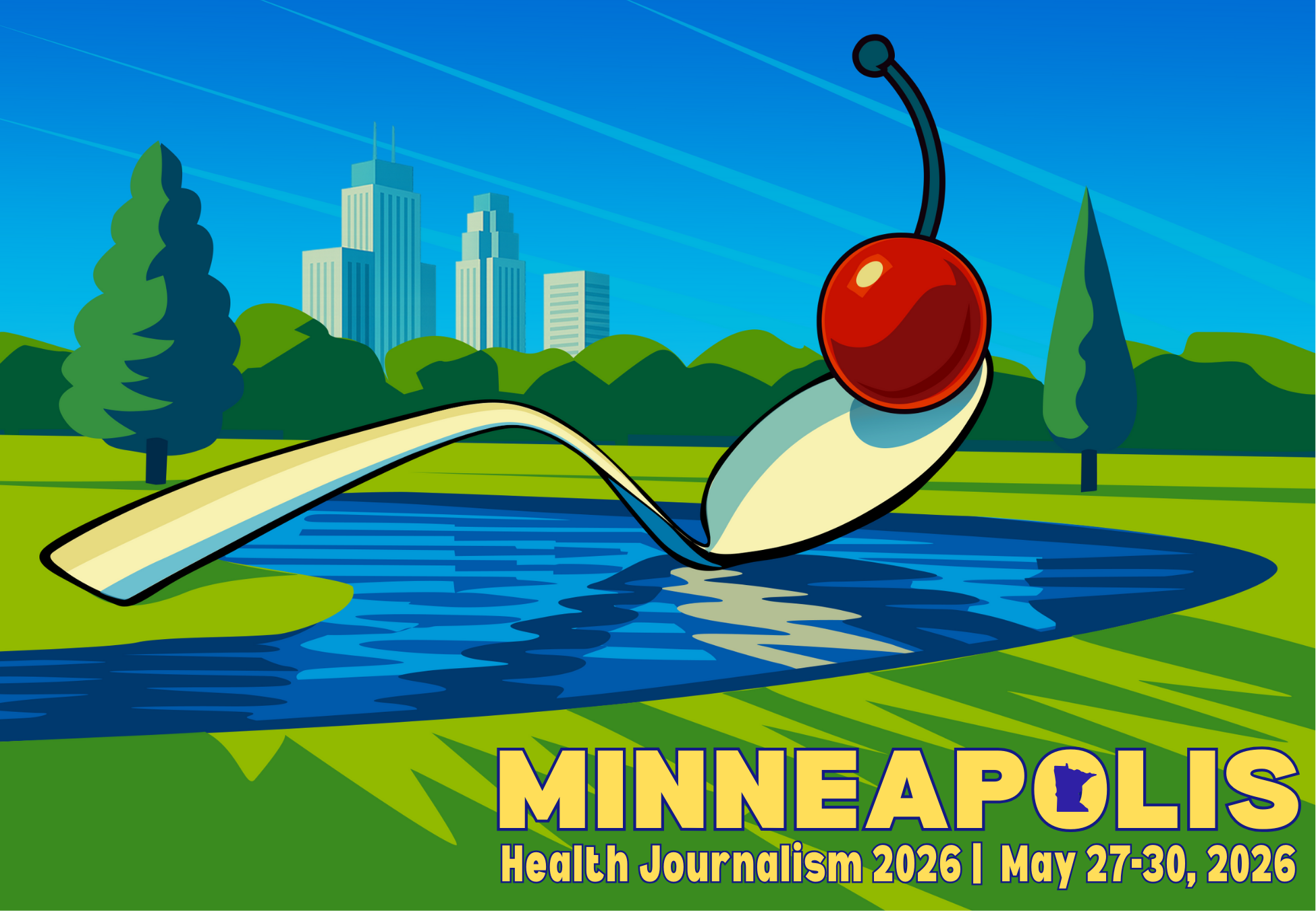
The Association of Health Care Journalists and the Center for Excellence in Health Care Journalism is thrilled to bring Health Journalism ’26 to Minneapolis from May 27–30. Expect four energizing days of immersive field trips, standout sessions, hands-on workshops and abundant opportunities to connect with colleagues from across the country.
“I’m excited that we’re returning to the middle of the country for our annual conference, after holding the last two in LA and New York,” said Gideon Gil, AHCJ board president. “This year, we’re starting the conference a day earlier, on a Wednesday, and ending on Saturday afternoon, to make it easier for attendees to stay through the last sessions before having to head home.”
At a moment when truth and accountability matter more than ever, we’ll bring together journalists, health care professionals, policymakers and industry experts for timely discussions. Be a part of the conversation (and pitch your ideas for sessions until Jan. 30, 2026) as we explore health care’s biggest challenges and examine emerging opportunities and solutions. As always, you’ll walk away with plenty of story ideas and new contacts.
This year’s conference will also feature the 22nd annual Awards for Excellence in Health Care Journalism, a celebration of the best work in health care reporting.
“AHCJ is committed to moving our conference around the U.S. to make it more accessible to our members,” said Kelsey Ryan, AHCJ executive director. “We’re excited to give a national lens to local places each year, and Minneapolis has a lot that everyone can learn from.”
Health Journalism ‘26 will draw deeply from Minneapolis’ history, community and innovation ecosystem.
The conference will take place just after the sixth anniversary of George Floyd’s killing – a moment that continues to reverberate across public health, policing and community trust. Minneapolis offers a powerful context for exploring how trauma, activism and policy intersect.
As one of the largest Somali populations in the U.S., Minneapolis provides critical lessons on refugee and immigrant health, including culturally competent care and access, that can be lessons for anyone interested in health equity.
Minneapolis is nationally known for its strong nonprofit health infrastructure, foundations and community-based organizations, and journalists can learn more about how this ecosystem functions – its positives and its pressures – for
The region is a global center for medical device research, playing a major role in development of pacemakers, stents, insulin pumps, joint implants and more.
Beyond the sessions, Minneapolis offers so much to see and do. Visit George Floyd Square at the intersection of 38th Street and Chicago Avenue, which will soon have a memorial. Listen to live music on First Avenue or wander through the legendary Minneapolis Sculpture Garden, home to Claes Oldenburg’s iconic “Spoonbridge and Cherry” sculpture. Dive into the city’s vibrant art scene at the Minneapolis Institute of Art, the Mill City Museum, the Weisman Art Museum and the Walker Art Center. And don’t forget to schedule a guided tour of Paisley Park, Prince’s former home and recording studio.